The Ultimate Spring Cleaning Checklist for a More Organized Home
This post may contain affiliate links, which means we may earn a small commission at no extra cost to you. We may also display third-party ads and include links to partner brands or shops. Some images may be created or enhanced using AI or sourced from licensed platforms. All opinions are our own.
Spring cleaning isn’t just about wiping surfaces and opening windows. In the U.S., spring marks a natural reset – longer days, more light, and a collective urge to clear out what feels heavy or unnecessary. That’s why spring cleaning has become such a powerful tradition, especially when it comes to home organization.
A truly effective spring cleaning routine goes beyond deep cleaning. It focuses on decluttering, creating better systems, and setting your home up to function more smoothly for the months ahead. When your space is organized, everyday tasks feel lighter, routines become easier, and your home feels calmer and more inviting.
This ultimate spring cleaning checklist is designed to help you organize your entire home, room by room, without feeling overwhelmed. Instead of guessing where to start, you’ll follow a clear structure that prioritizes both function and comfort. Whether you live in a small apartment or a full-size home, this guide will help you create an organized space that actually works for your lifestyle.
Save this checklist to come back to later, or download the printable version to keep everything handy as you work through each room.

How to Use This Spring Cleaning Checklist
Before diving into the checklist, it’s important to set realistic expectations. Spring cleaning doesn’t have to be done in a single weekend. In fact, spreading the process over several days usually leads to better results and far less stress.

Start by gathering a few basic essentials before you begin:
- boxes or bags labeled keep, donate, and trash
- basic cleaning supplies
- simple organizing tools like bins or baskets
- a timer set for 20 to 30 minutes per session
Work through one room or area at a time. Focus on finishing one space before moving on to the next. This creates a sense of progress and prevents half-finished projects from taking over your home.
As you go through each checklist, ask yourself a few simple questions
- Do I use this regularly?
- Does this item belong in this room?
- Does my current storage system make things easier or harder to find?
If you start feeling stuck or overwhelmed, pause and reset. Organization is about creating systems that support your daily life, not achieving perfection. Even small improvements add up quickly.
You can follow this checklist in order or skip directly to the rooms that need the most attention. And if you prefer a more hands-on approach, the printable spring cleaning checklist makes it easy to track progress and stay motivated as you move through your home.
When you’re ready, let’s start with the essentials that apply to your entire home before breaking things down room by room.
Whole-Home Spring Cleaning Essentials
Before focusing on individual rooms, it helps to start with a few spring cleaning tasks that apply to your entire home. This step creates a clean foundation and makes the room-by-room process faster and more effective.
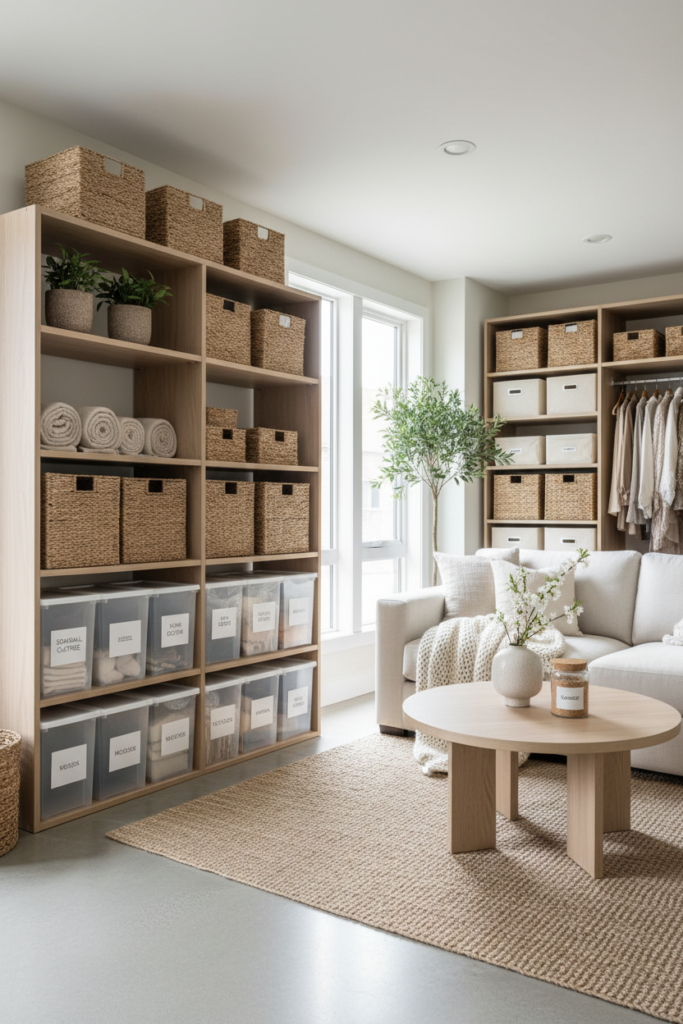
Begin by tackling general clutter that tends to spread throughout the house. Gather loose papers, mail, manuals, and random items that don’t have a clear home. Sort what truly needs to be kept and let go of outdated documents, expired coupons, and unnecessary duplicates. Creating a simple system for important papers now will prevent future buildup.
Next, take a look at frequently used surfaces such as countertops, tables, shelves, and consoles. Clear everything off, wipe them down, and only put back items you actually use or love. This is one of the quickest ways to make your home feel instantly more organized and visually calm.
Hidden storage areas are another key part of whole-home spring cleaning. Check closets, cabinets, under-bed storage, and other out-of-sight spaces. Remove items you’ve forgotten about, consolidate duplicates, and group similar items together. Using bins or boxes can help keep these areas tidy while still making everything easy to access.
Finally, review seasonal items. Store away winter accessories and bring out lighter pieces for spring and summer. Keeping seasonal décor, clothing, and accessories clearly labeled makes future transitions much easier and prevents clutter from creeping back in.
Starting with these essentials sets the tone for the rest of your spring cleaning process and makes organizing each room feel far more manageable.
Entryway & Hallway Spring Cleaning Checklist
The entryway and hallways are some of the most high-traffic areas in any home, yet they’re often overlooked during spring cleaning. Because these spaces are used daily, even small improvements can make a big difference in how organized your home feels.
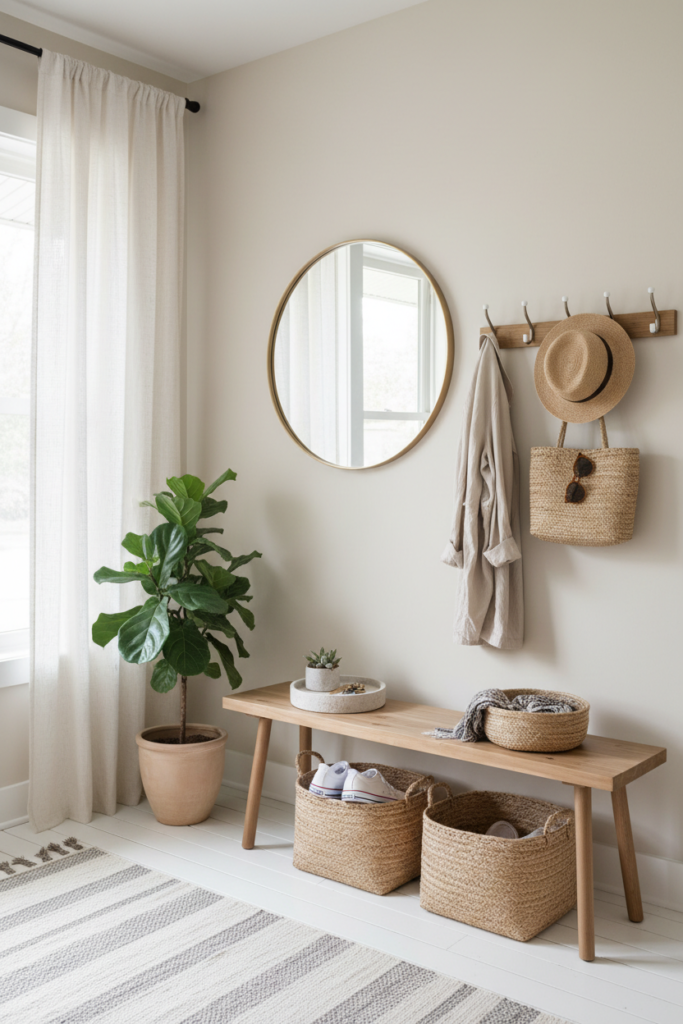
Begin by removing everything that doesn’t belong in these areas. Shoes, bags, coats, and random items tend to accumulate quickly. Clear the space completely, clean surfaces, and then reassess what truly needs to live here.
Sort through shoes and outerwear, keeping only the items you currently use. Store off-season pieces elsewhere and consider donating anything that no longer fits your lifestyle. A streamlined selection instantly reduces visual clutter and makes daily routines smoother.
Next, focus on creating a functional drop zone. Hooks, baskets, or small trays can help contain everyday essentials like keys, sunglasses, wallets, and mail. The goal is to give each item a designated place so nothing ends up scattered.
If space allows, incorporate simple storage solutions that support organization without overwhelming the area. Shoe organizers, slim cabinets, or decorative baskets can add structure while still keeping the entryway welcoming and clutter-free.
A clean, organized entryway sets the tone for the rest of your home. It’s the first space you see when you walk in and the last before you leave, making it one of the most impactful areas to refresh during spring cleaning.
Living Room Spring Cleaning Checklist
The living room is often the heart of the home, which means it easily becomes a collection point for clutter. Spring cleaning this space is about restoring balance—keeping it functional, comfortable, and visually calm without losing its cozy feel.

Start by decluttering surfaces such as coffee tables, side tables, shelves, and media consoles. Remove everything, clean the surfaces, and then place back only items that serve a purpose or add warmth to the space. Books, candles, plants, and a few meaningful décor pieces go a long way when they’re thoughtfully arranged.
Next, focus on storage areas. Go through drawers, baskets, and cabinets and remove anything that doesn’t belong in the living room. Consolidate items like remotes, chargers, games, and magazines into designated containers so they’re easy to find but not constantly on display.
Cables and electronics are another common source of visual clutter. Take a few minutes to organize cords, label chargers if needed, and remove devices you no longer use. Simple cable organizers or boxes can make a big difference here.
Finally, review soft items such as throw blankets, pillow covers, and rugs. Wash what needs refreshing and store extra pieces that aren’t currently in use. Keeping only a few well-chosen textiles helps the room feel lighter and more intentional while still staying cozy.
Kitchen Spring Cleaning Checklist
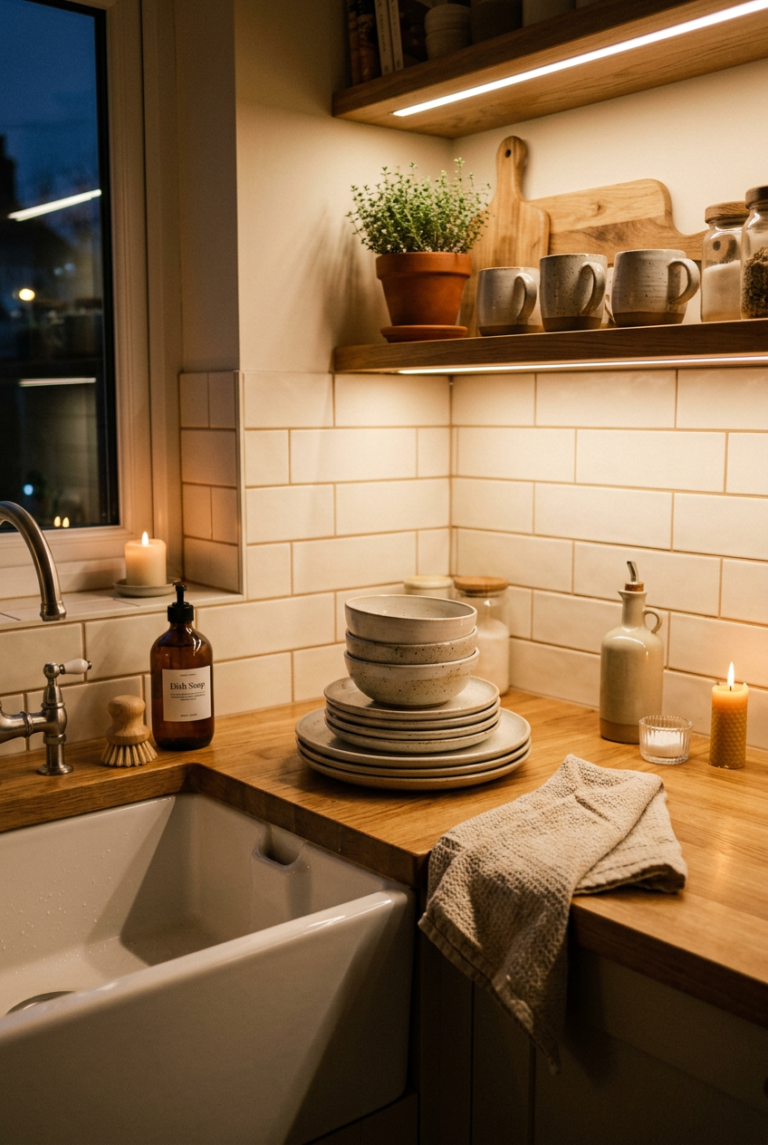
The kitchen is one of the most time-intensive areas to spring clean, but it’s also one of the most rewarding. A well-organized kitchen saves time, reduces stress, and makes daily routines far easier.
Cabinets and Drawers
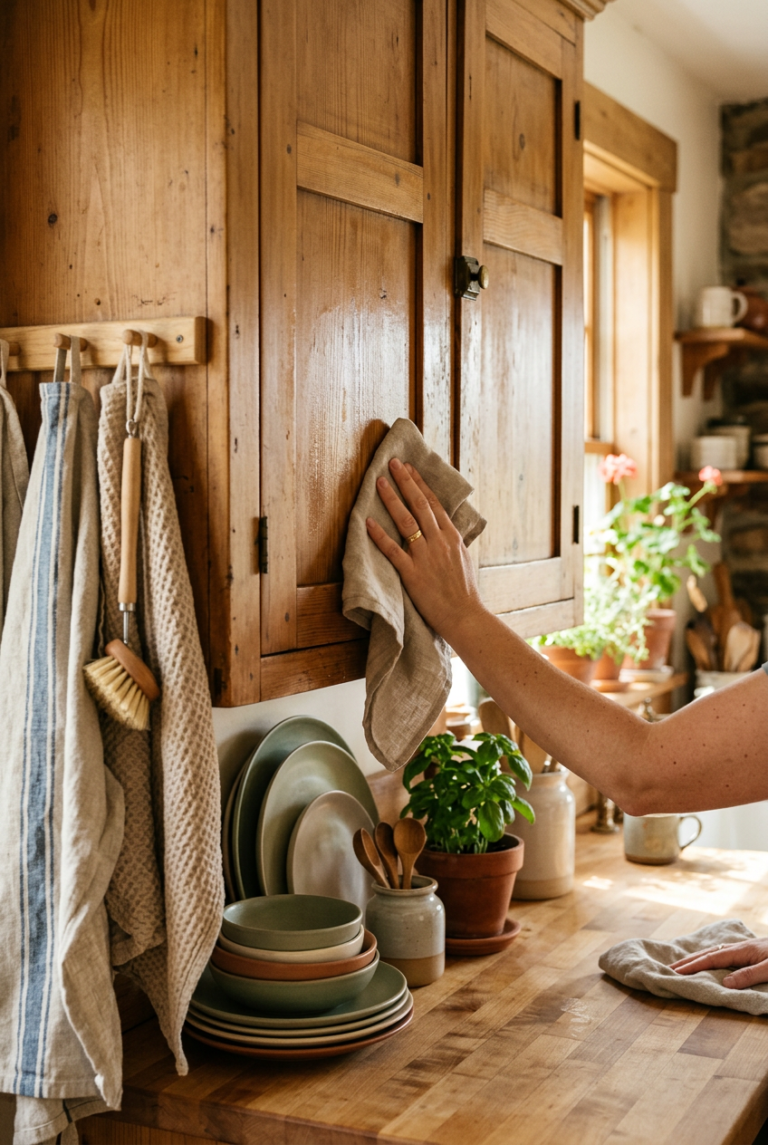
Begin by emptying cabinets and drawers one section at a time. Check for duplicate tools, chipped dishes, and items you rarely use. Keep only what supports your current cooking habits and let go of the rest.
Group similar items together and return them to cabinets in a way that supports flow—frequently used items within easy reach and occasional-use pieces stored higher or lower. Drawer dividers can help keep utensils and tools from shifting and becoming messy again.
Pantry Organization
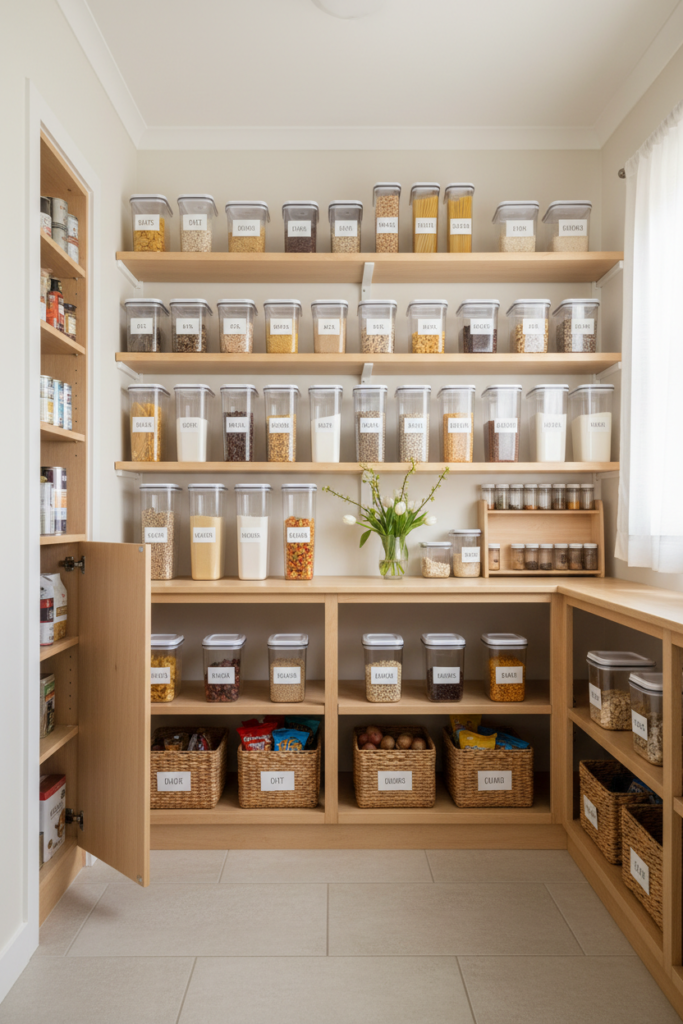
Move on to the pantry, starting by checking expiration dates and discarding anything outdated. Wipe down shelves and then organize food by category, such as baking supplies, snacks, canned goods, and breakfast items.
Using clear bins or containers helps you quickly see what you have and prevents overbuying. Labels add an extra layer of order and make it easier for everyone in the household to maintain the system.
Once everything is grouped and contained, adjust shelf spacing if possible to maximize vertical space. A tidy, well-organized pantry not only looks great but also makes meal planning and grocery shopping much more efficient.
With the kitchen refreshed and organized, the rest of your spring cleaning process will feel noticeably easier to maintain.
Bathroom Spring Cleaning Checklist
Bathrooms tend to collect half-used products and forgotten items, which makes spring cleaning this space especially important. The goal here is to simplify, create breathing room, and set up systems that are easy to maintain daily.
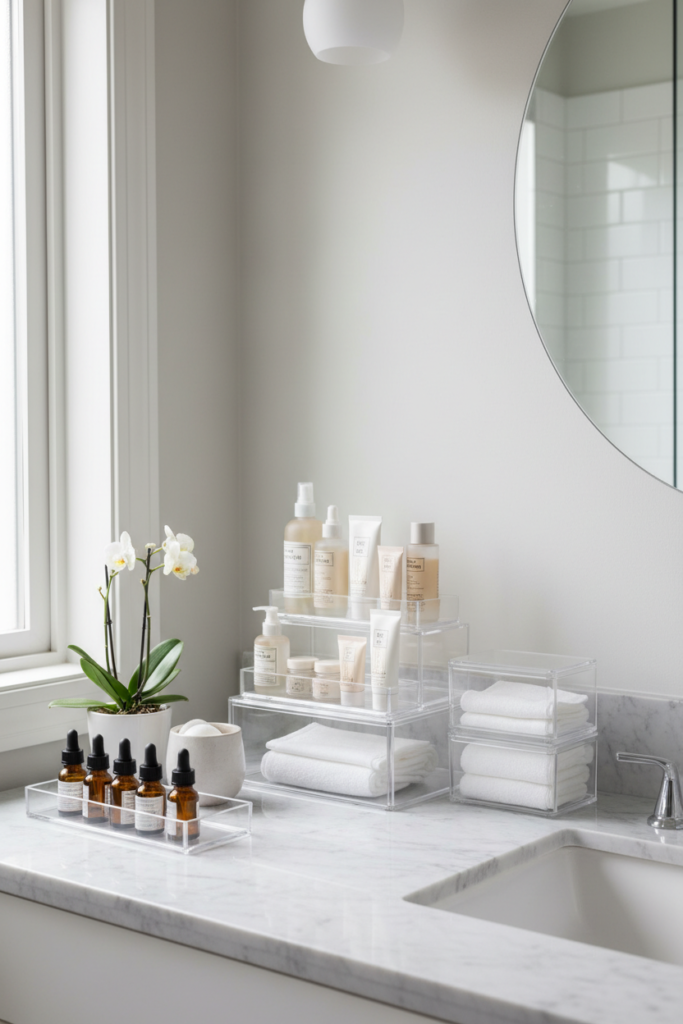
Start by emptying cabinets, drawers, and shower storage. Check expiration dates on skincare, makeup, medications, and hair products, and discard anything that’s no longer safe or effective to use. Be honest about what you actually reach for—keeping only the essentials instantly reduces clutter.
Once everything is cleared out, clean shelves, drawers, and containers before putting items back. Group products by category, such as daily skincare, hair care, backups, and occasional-use items. This makes your routine smoother and helps prevent overbuying in the future.
Maximize vertical and hidden space whenever possible. Drawer dividers, small bins, and under-sink organizers can turn awkward storage areas into functional zones. If counter space is limited, keep surfaces as clear as possible by storing items you don’t use daily.
A streamlined bathroom not only looks better but also makes mornings feel calmer and more efficient.
Bedroom Spring Cleaning Checklist
The bedroom should feel restful and uncluttered, making it one of the most important areas to refresh during spring cleaning. Organization here is about supporting better sleep, easier routines, and a sense of calm.
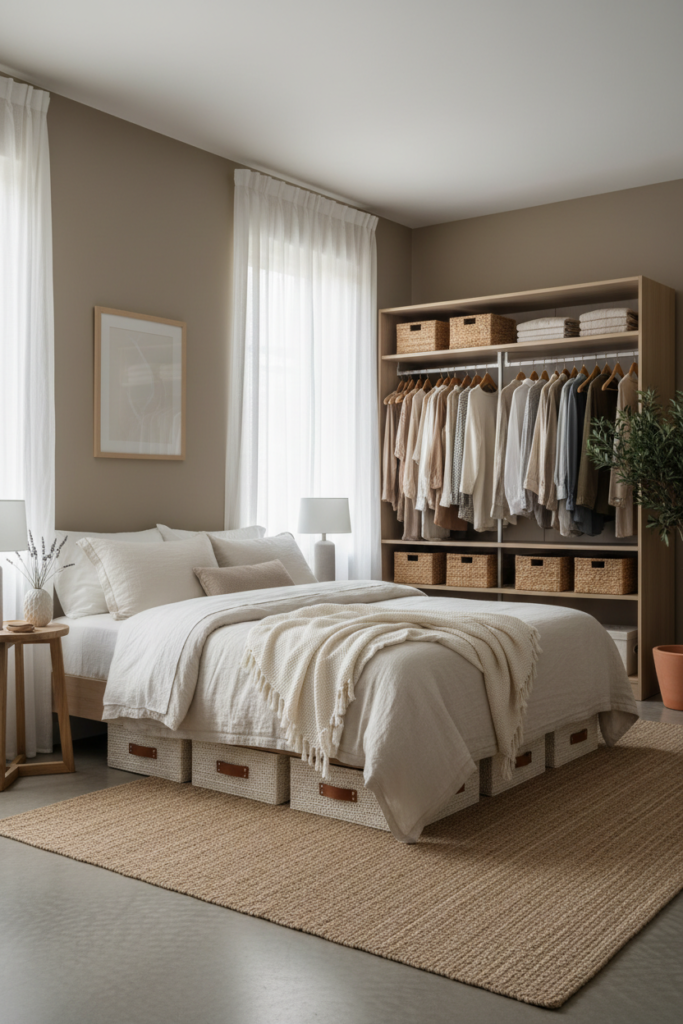
Begin with surfaces like nightstands, dressers, and shelves. Remove items that don’t belong in the bedroom and limit décor to pieces that add warmth without visual overload. Keeping surfaces mostly clear creates a more relaxing atmosphere.
Next, focus on the closet. Sort clothing by category and remove anything that no longer fits, feels comfortable, or suits your current lifestyle. Store off-season clothing elsewhere to free up space and make everyday choices easier. Using slim, uniform hangers can instantly improve the look and function of your closet.
Don’t forget hidden storage areas such as under the bed and inside drawers. These spaces often become catch-alls for items with no clear home. Take time to declutter, regroup similar items, and use containers that make everything easy to access.
Finish by refreshing bedding, pillows, and throws. Washing fabrics and simplifying what’s in rotation helps the room feel lighter and more intentional—exactly what a spring reset should bring.
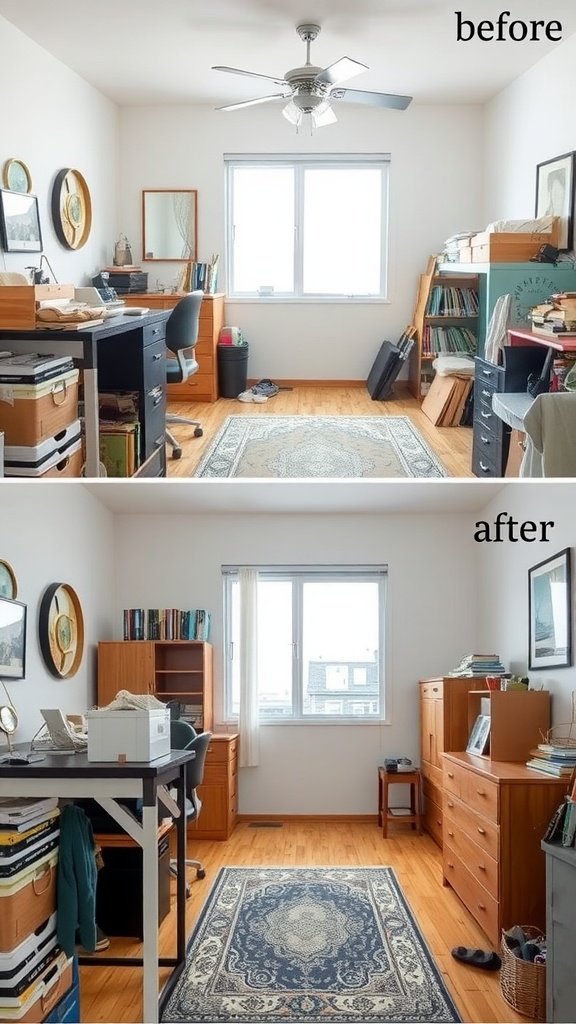
Home Office Spring Cleaning Checklist
A cluttered home office can quickly affect focus and productivity, which is why spring cleaning this space is especially valuable. The goal is to create an environment that supports your work without unnecessary distractions.
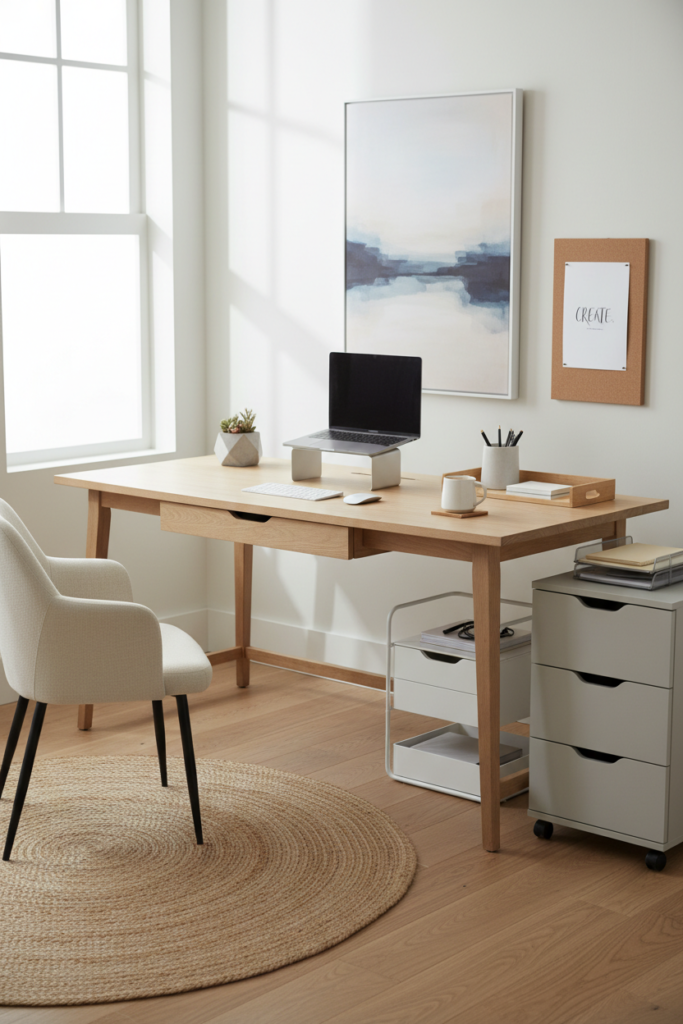
Start by sorting through papers and documents. Shred or recycle anything outdated, and keep only what you truly need. If possible, reduce paper clutter by digitizing important documents and creating a simple digital filing system.
Next, clear your desk completely and wipe down all surfaces. Return only essential items to your workspace, keeping frequently used tools within reach and storing everything else in drawers or organizers. Desk trays and drawer dividers can help keep supplies neatly contained.
Cables, chargers, and electronics deserve special attention. Untangle cords, label chargers if necessary, and remove devices you no longer use. A clean cable setup instantly makes the space feel more organized and functional.
Finish by reviewing storage areas such as shelves and cabinets. Group items by function and avoid overcrowding. A streamlined home office makes it easier to stay focused and maintain a productive routine long after spring cleaning is done.
Laundry Room and Utility Areas Spring Cleaning Checklist
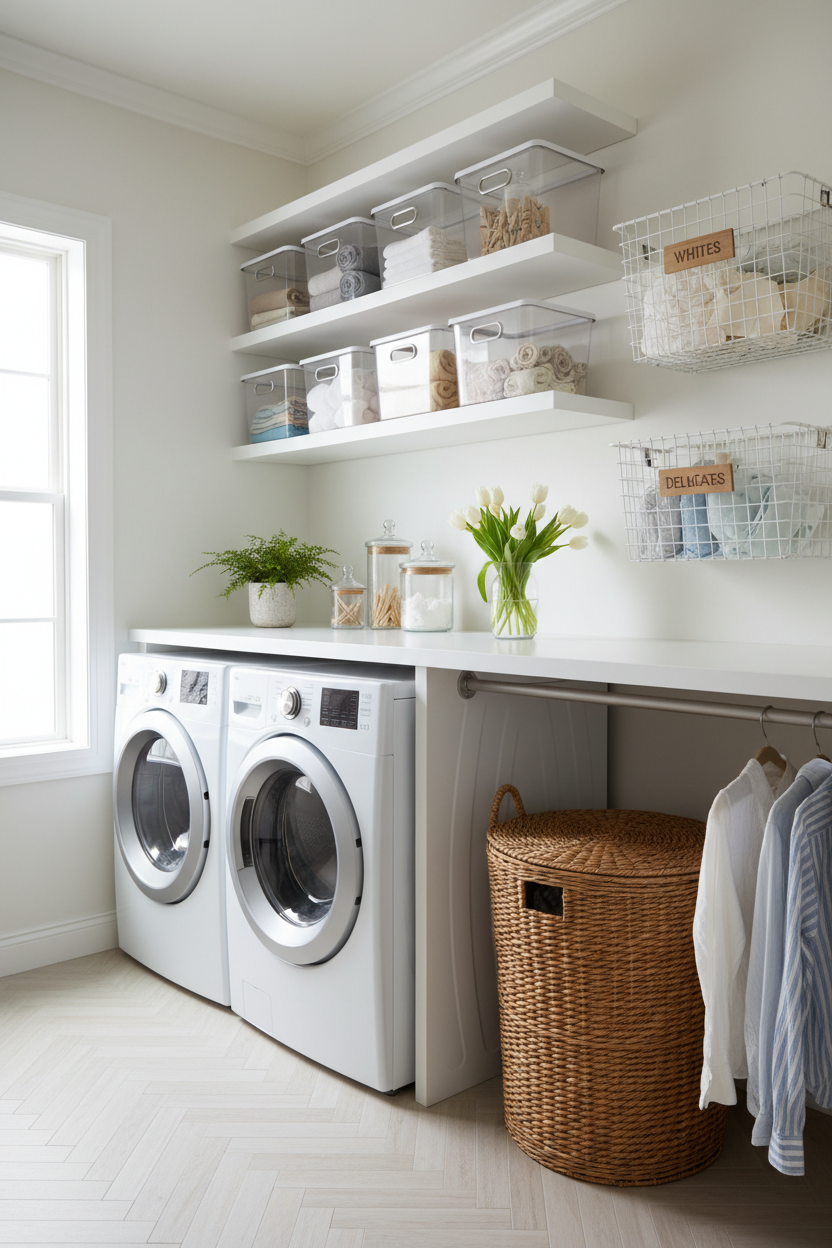
Laundry rooms and utility areas are often overlooked, yet they play a big role in keeping the home running smoothly. Spring cleaning these spaces is all about improving flow and functionality.
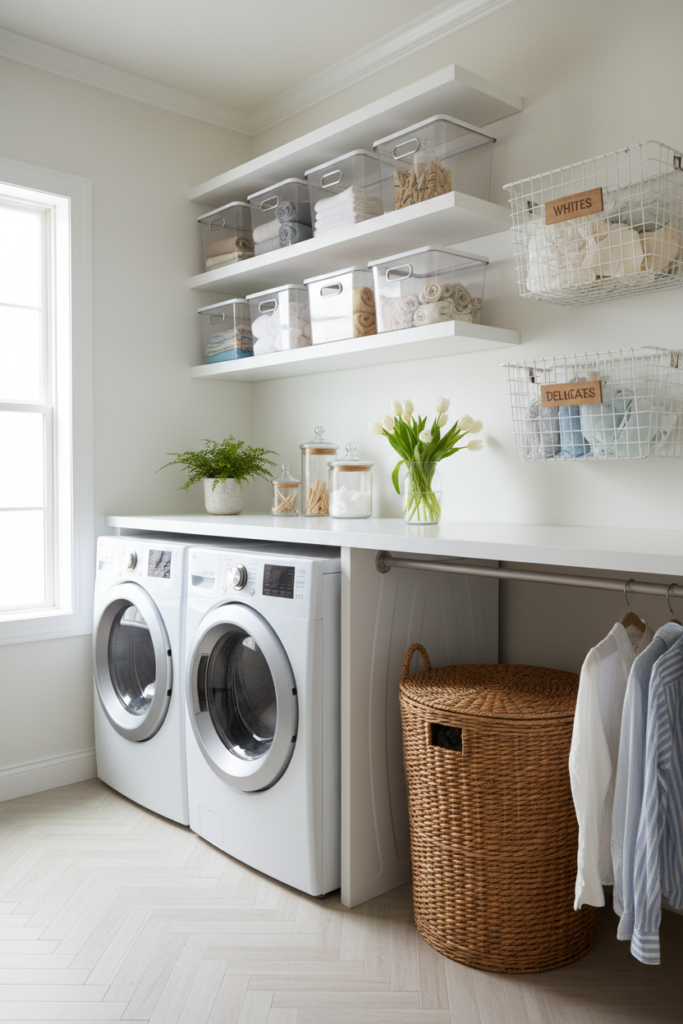
Begin by decluttering shelves and cabinets. Discard empty containers, expired products, and anything that doesn’t belong in this area. Keep only the supplies you use regularly and store them in clearly defined zones.
Next, organize laundry products by category, such as detergents, stain removers, and cleaning tools. Using bins or baskets helps prevent items from tipping over or getting lost in the back of shelves.
Take a moment to clean appliances and surrounding surfaces, including washer and dryer tops, lint traps, and nearby counters. Small maintenance tasks like these can extend appliance life and improve safety.
Finally, reassess the layout of the space. Make sure frequently used items are easy to reach and that the overall setup supports a smooth laundry routine. An organized utility area saves time and reduces frustration in everyday tasks.
Kids’ Room and Playroom Spring Cleaning Checklist
Kids’ spaces tend to accumulate clutter faster than any other area of the home, which makes spring cleaning especially helpful here. The focus should be on simplifying, creating clear zones, and making organization easy for children to maintain.
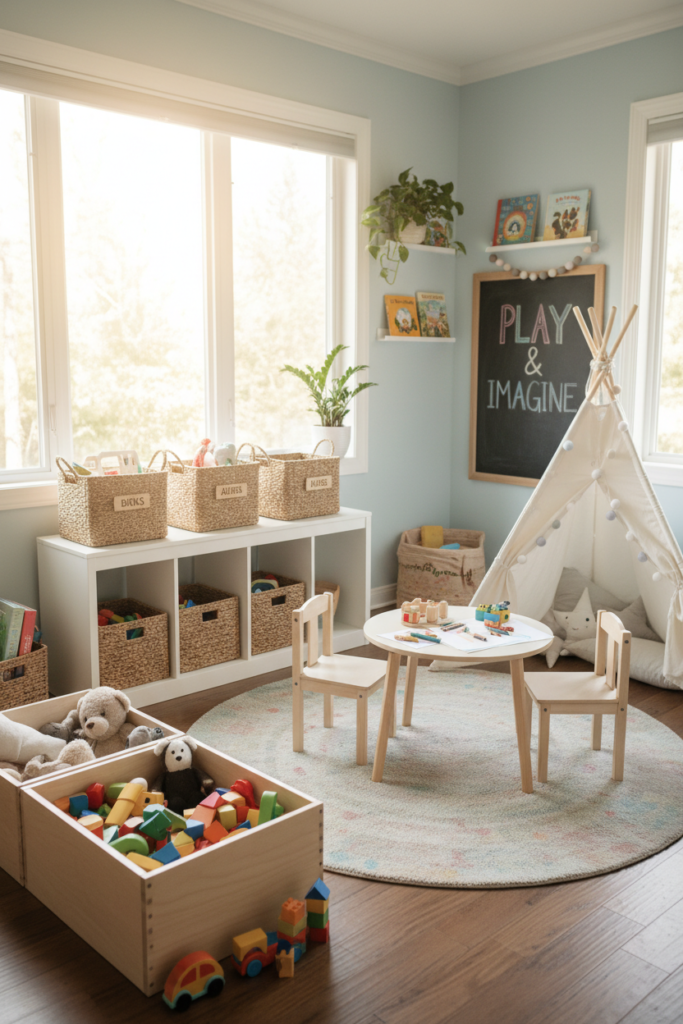
Start by sorting toys and books by category. Remove anything broken, incomplete, or no longer age-appropriate. If there are toys your children have outgrown but are still in good condition, set them aside for donation.
Next, create defined storage zones for different types of items, such as toys, books, crafts, and games. Open bins and baskets work especially well in kids’ rooms because they allow for quick cleanup without complicated systems. Labeling bins with words or pictures can help children learn where things belong.
Limit how many items are accessible at one time. Rotating toys seasonally can reduce clutter and help children stay more engaged with what they have. Store extra items out of sight so the room feels calmer and easier to manage.
A well-organized kids’ space supports independent play and makes daily cleanup faster for everyone.
Garage, Basement, and Storage Areas Spring Cleaning Checklist
Garages, basements, and storage areas are often the most challenging spaces to tackle during spring cleaning, but they also offer the biggest payoff. These areas benefit from clear structure and intentional organization.
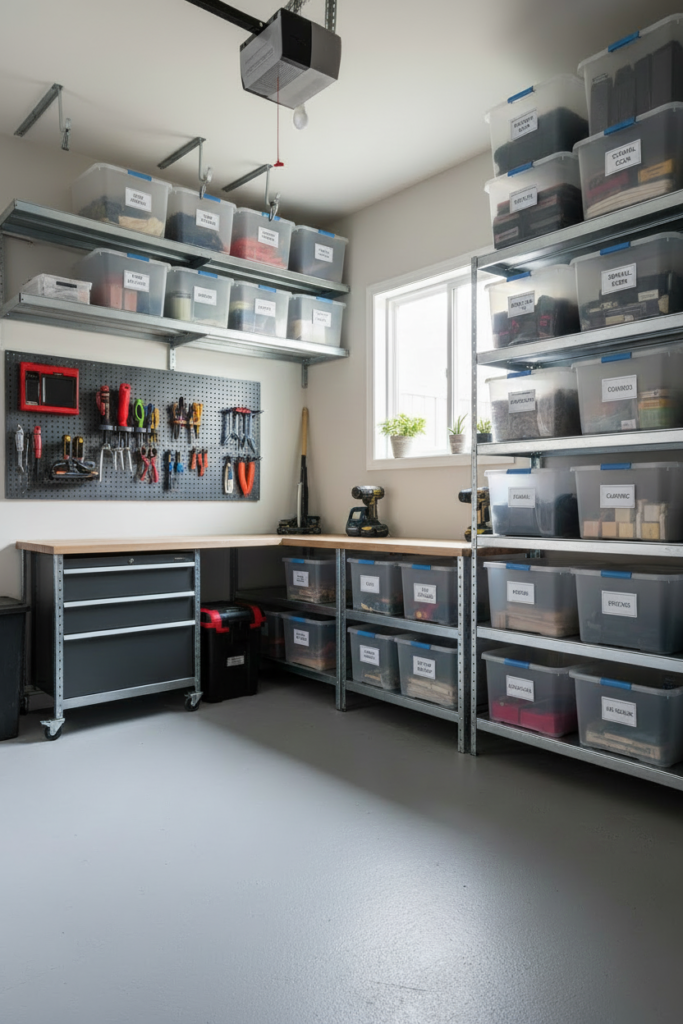
Begin by emptying one section at a time. Sort items into categories and remove anything broken, unused, or no longer needed. Be realistic about what you plan to use in the coming year and let go of the rest.
Once you’ve decluttered, define zones based on function, such as tools, seasonal décor, sports equipment, or household supplies. Storing items by category makes them easier to find and prevents clutter from spreading.
Use sturdy bins, shelves, and clear labels to keep everything contained and visible. Heavy-duty storage solutions are especially helpful in garages and basements where items tend to be larger and heavier.
Safety is also important in these areas. Make sure hazardous items are stored properly and that frequently used items are easy to access without moving multiple boxes.
Organizing these storage-heavy spaces creates a strong foundation for maintaining an organized home throughout the year.
Spring Cleaning Checklist Summary
By this point, you’ve worked through each major area of your home, creating systems that support both organization and everyday life. Spring cleaning doesn’t have to be perfect to be effective. Even small improvements in each room add up to a noticeable shift in how your home looks and feels.
Use this checklist as a flexible guide rather than a strict set of rules. You may choose to tackle one room per day, focus only on high-impact areas, or revisit certain spaces over time. The most important part is creating organization systems that are realistic and easy to maintain.
If you ever feel stuck or short on time, come back to this checklist and focus on one category or surface at a time. Progress, not perfection, is what makes spring cleaning successful.
Saving this guide or bookmarking it makes it easy to return whenever your home needs a refresh.
Free Spring Cleaning Printable Checklist
To make the process even easier, you can download a free spring cleaning printable checklist designed to help you stay organized and motivated from start to finish.
The printable includes
– a complete room-by-room checklist
– space to track progress
– a simple layout that’s easy to follow
You can print it out and keep it with you as you clean, or use it digitally to check off tasks as you go. It’s a great option if you prefer a more hands-on approach or want a clear visual of your progress.
Download the free spring cleaning checklist and use it as your step-by-step companion to creating a more organized home this season.
How to Maintain an Organized Home After Spring Cleaning
Spring cleaning is a powerful reset, but the real impact comes from what happens afterward. Maintaining an organized home doesn’t require daily deep cleaning. It’s about building small, consistent habits that prevent clutter from building back up.

Create simple weekly routines focused on high-traffic areas such as the kitchen, living room, and entryway. A quick reset at the end of the week—clearing surfaces, returning items to their designated spots, and emptying donation bags—can make a big difference.
Monthly check-ins are also helpful. Take a few minutes to reassess storage areas and make sure systems are still working for your lifestyle. If something feels hard to maintain, it’s usually a sign that the system needs to be simplified.
Most importantly, focus on systems rather than perfection. An organized home should support your life, not add pressure. When organization feels easy, it naturally becomes part of your routine.
A Fresh Start for Your Home This Spring
Spring cleaning is more than a seasonal task—it’s an opportunity to reset your home and create a space that feels lighter, calmer, and more intentional. By working through your home one area at a time, you build organization systems that support daily life and make your space easier to enjoy.

Whether you complete the checklist in a week or over several weekends, every step you take moves you closer to a more organized home. Use this guide whenever you need a refresh, and return to the printable checklist anytime your space starts to feel overwhelming.
A well-organized home isn’t about having less—it’s about making room for what truly matters. This spring, let your home reflect comfort, function, and a fresh start.

Hi, I’m Livia. A mom who believes that a house becomes a home through the little things.
Over time, I started to understand what truly makes a space feel cozy, comfortable, and safe. Little by little, I transformed my own home into a place where my family and I genuinely love to be, a space that feels calm, warm, and ours.
Here, I share simple ideas and thoughtful inspiration to help you turn your home into your favorite place in the world too.