Small Backyard Shed Ideas for Limited Spaces
This post may contain affiliate links, which means we may earn a small commission at no extra cost to you. We may also display third-party ads and include links to partner brands or shops. Some images may be created or enhanced using AI or sourced from licensed platforms. All opinions are our own.
Having a small backyard doesn’t mean giving up on your dream outdoor space. In fact, limited space often leads to more intentional, creative, and cozy design choices.
Small backyard sheds are proof that you don’t need a large yard to create something functional and beautiful. With the right layout and a thoughtful approach, even a compact shed can become a charming extension of your home — whether you use it for storage, hobbies, or a quiet place to unwind.
Instead of thinking in terms of square footage, it helps to think in terms of purpose. What do you want your shed to do for you? Once that’s clear, the size becomes less of a limitation and more of a design guide.
The truth is, some of the coziest backyard sheds are built in the smallest spaces. And when designed well, they can feel just as inviting — if not more — than larger structures.
Why Small Sheds Work So Well in Compact Backyards
Small sheds naturally fit into compact backyards without overwhelming the space. Their scale allows them to blend in more easily, creating a balanced and harmonious outdoor layout instead of competing with the garden or patio.
Another big advantage is flexibility. A smaller shed is easier to position, whether it’s tucked into a corner, placed along a fence, or integrated into existing landscaping. This makes it ideal for urban homes, narrow yards, or backyards with unusual layouts.
From a practical standpoint, small sheds are also more approachable. They typically require fewer materials, lower investment, and less maintenance — making them perfect for homeowners who want results without a massive construction project.
Most importantly, small sheds encourage smarter design. When space is limited, every decision matters. This often leads to better organization, multifunctional layouts, and a cozy atmosphere that feels intentional rather than cluttered.
In compact backyards, a small shed doesn’t feel like an afterthought. It feels like it belongs there.
Smart Design Principles for Small Backyard Sheds
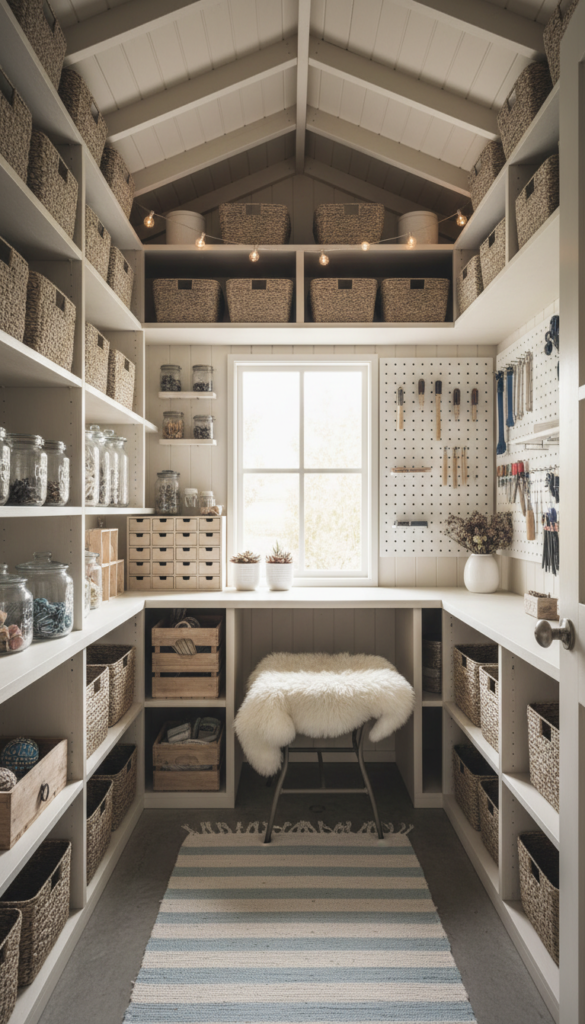
When space is limited, good design isn’t optional — it’s essential. The best small backyard sheds follow a few simple principles that make them feel open, functional, and cozy instead of cramped.
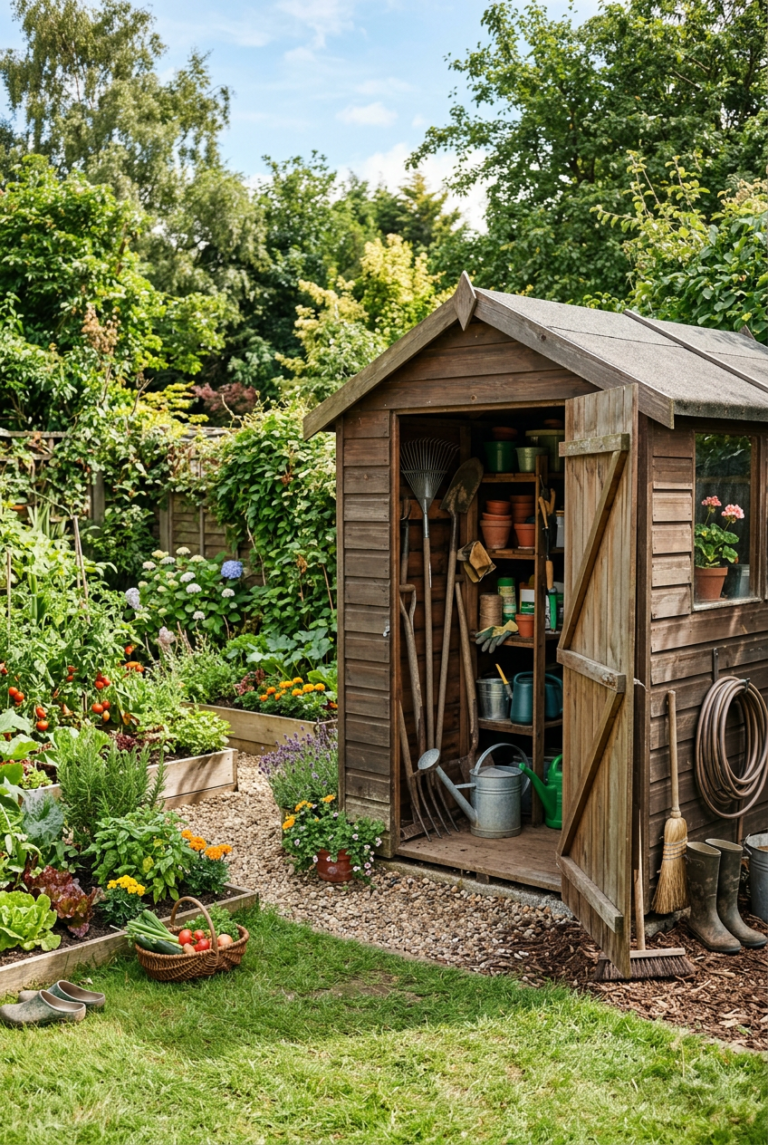
One of the most important ideas is building up, not out. Vertical storage, tall shelving, and wall-mounted solutions help free up valuable floor space while keeping everything organized. Even a small shed can feel surprisingly spacious when the walls are used intentionally.
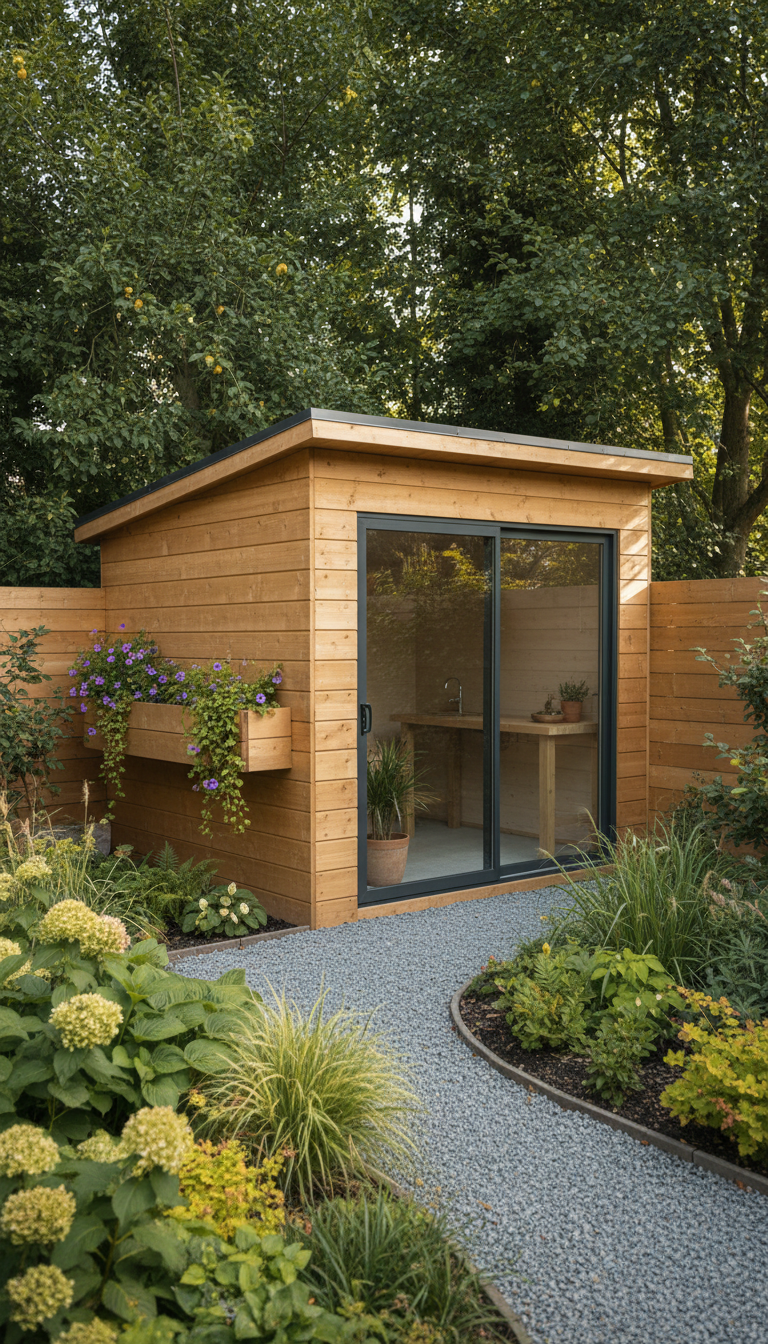
Natural light is another game-changer. Windows, skylights, or even a simple glass-pane door can instantly make a small shed feel brighter and more inviting. Light visually expands the space and creates a stronger connection between the shed and the backyard.
Choosing a light and cohesive color palette also makes a big difference. Soft neutrals, warm whites, or muted natural tones help small spaces feel calmer and more open. Too many contrasting colors or heavy finishes can make a shed feel crowded very quickly.
Finally, every small shed benefits from a multifunctional design. A bench with hidden storage, fold-down work surfaces, or furniture that serves more than one purpose allows the shed to adapt to your needs without sacrificing comfort.
In small backyard sheds, thoughtful choices turn limitations into charm — and that’s exactly what makes them feel special.
Small Backyard Shed Ideas for Limited Spaces
When working with a small backyard, the key is choosing shed ideas that feel intentional rather than squeezed in. These ideas focus on maximizing function while keeping the space light, cozy, and visually balanced.
Corner Shed Layouts
Placing a shed in a corner is one of the most effective ways to use limited space. Corners are often underutilized, and positioning a shed there allows you to maximize the rest of the yard.
A corner shed can feel naturally integrated into the landscape, especially when surrounded by plants or a small garden border. This placement helps the shed feel like part of the overall design rather than something added later.
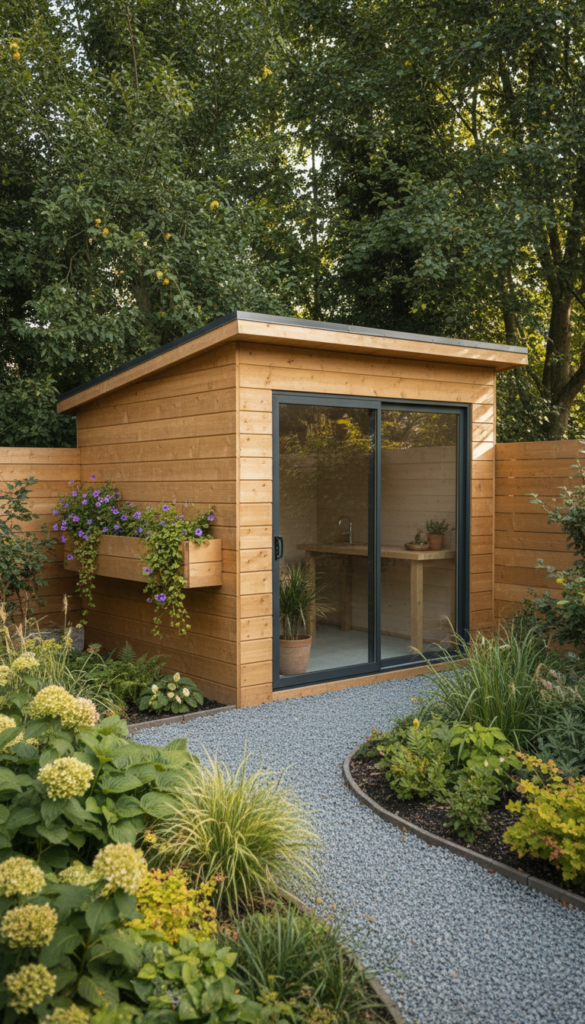
Slim and Narrow Shed Designs
Not every shed needs to be wide or deep. Slim shed designs work especially well in small backyards where space is limited.
Placed along a fence or side yard, these sheds provide practical storage without dominating the space. They are perfect for storing tools, gardening supplies, or seasonal items while keeping the backyard visually open.
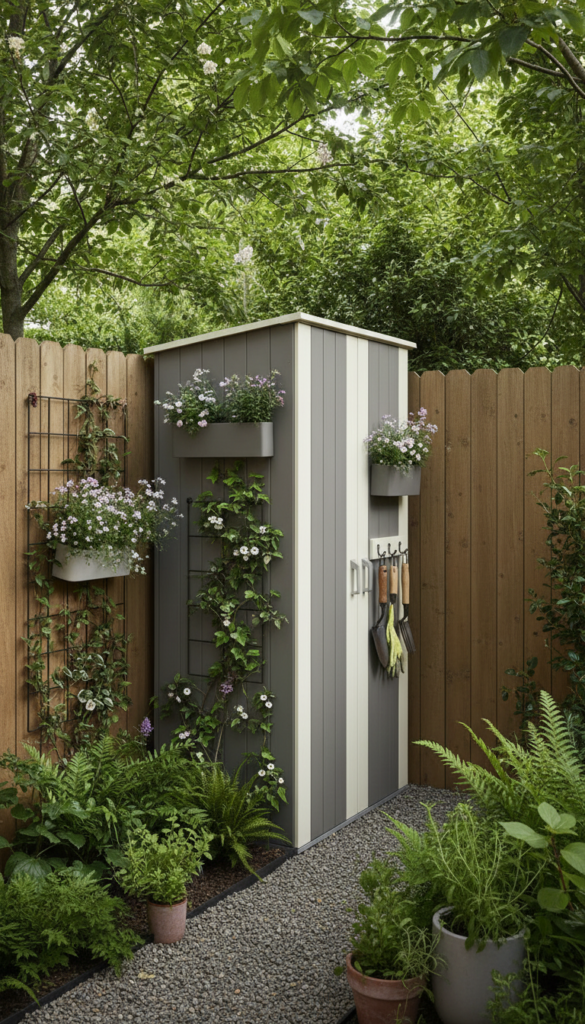
Lean-To Sheds
Lean-to sheds are a smart solution for tight spaces because they attach directly to an existing wall or structure.
This reduces the footprint and creates a clean, built-in appearance. Lean-to sheds are particularly useful in urban environments where every inch of space matters.
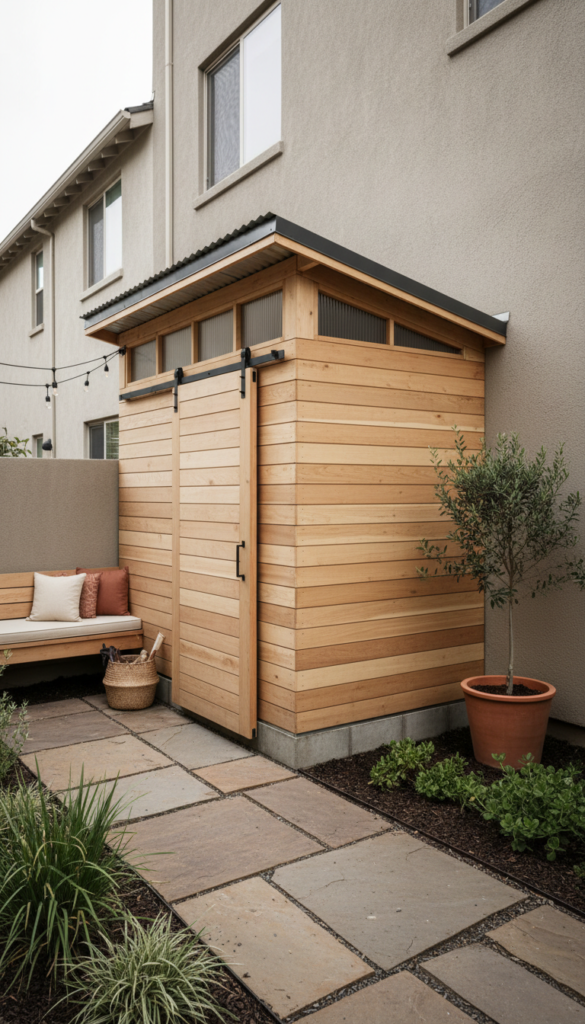
Vertical Storage Sheds
In small spaces, vertical storage is essential. Designing a shed with tall walls, shelves, and hanging systems allows you to store more while keeping the floor area clear.
This not only improves organization but also makes the shed feel more spacious and easier to use.
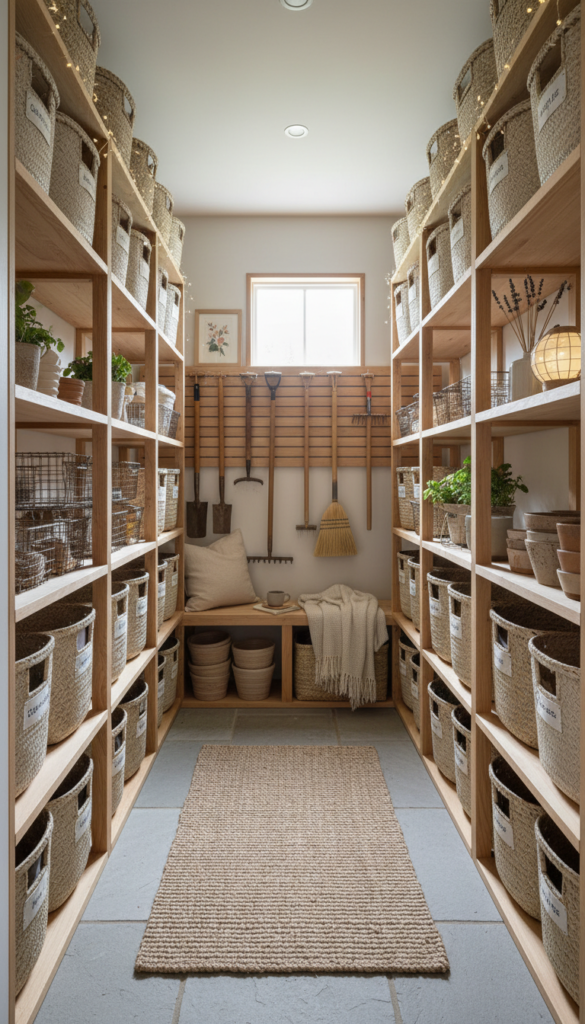
Multi-Purpose Mini Sheds
One of the best ways to maximize a small shed is to give it more than one function.
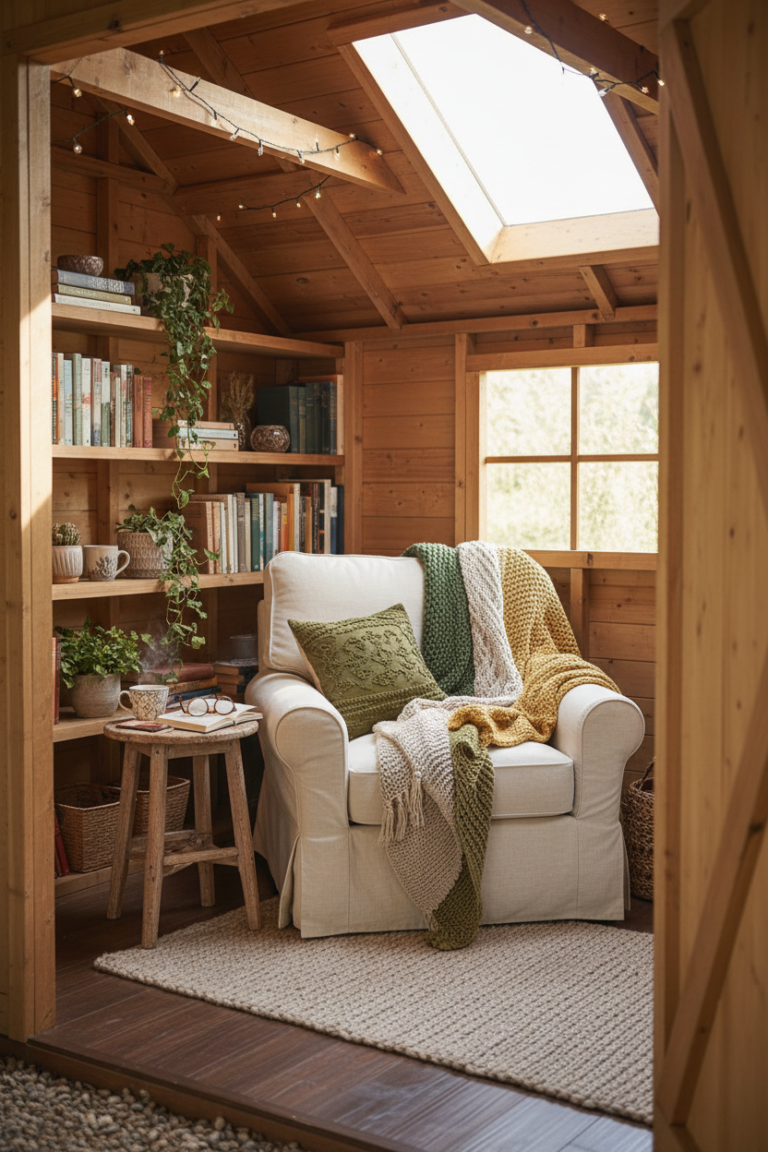
A shed can be used for storage while also serving as a workspace, reading nook, or creative area. A small desk, a foldable chair, or a bench can transform the shed into a multifunctional space without requiring additional square footage.
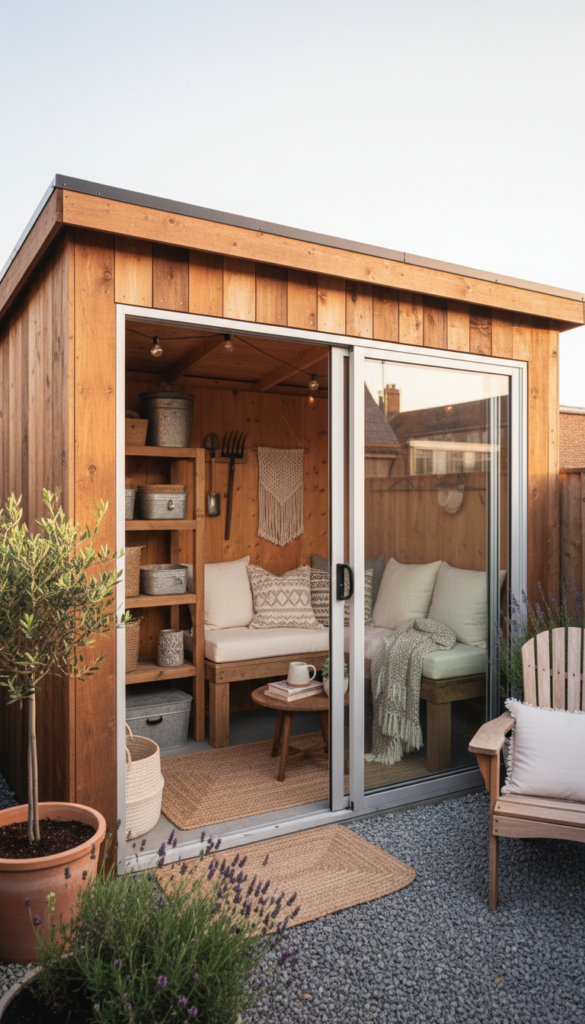
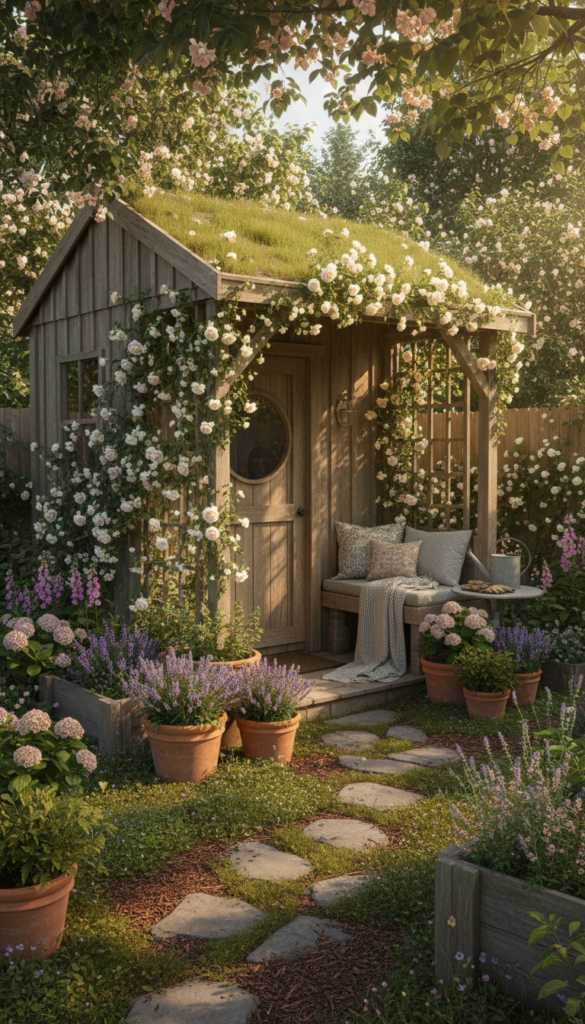
Garden-Integrated Sheds
Blending the shed into the surrounding garden helps it feel like a natural extension of the backyard.
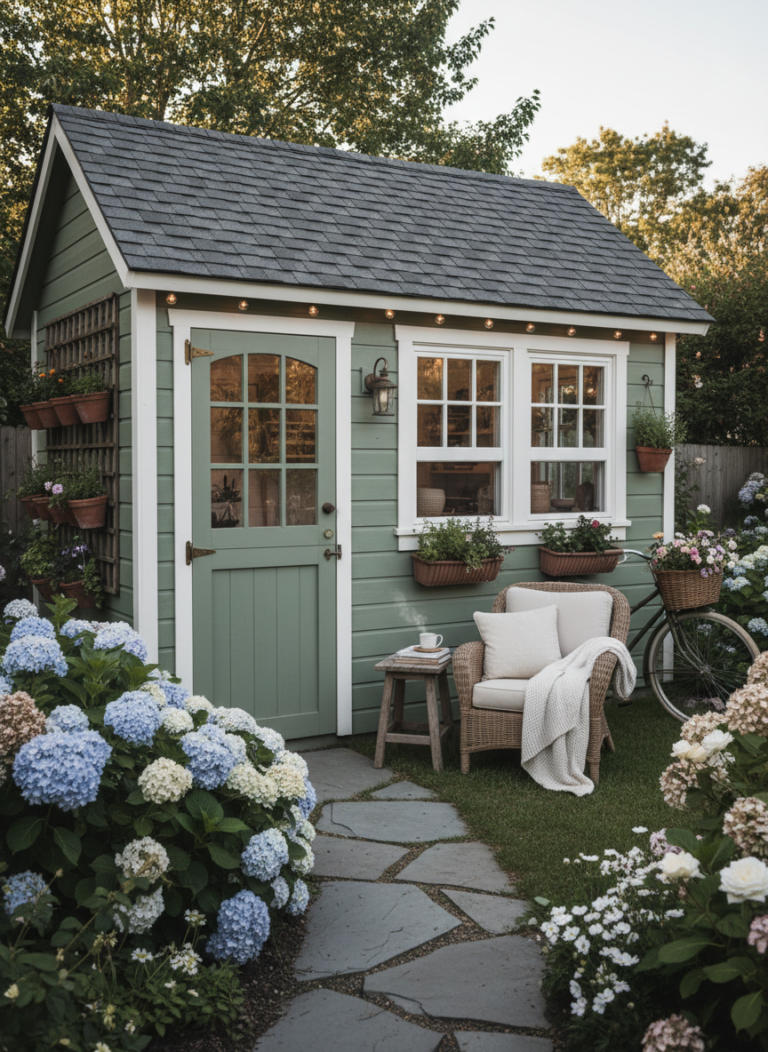
Climbing plants, trellises, or nearby planters soften the structure and create a more cohesive look. This approach makes the entire space feel more inviting and visually balanced.
Light-Filled Sheds
Natural light can completely transform a small shed. Adding windows or glass doors helps the space feel open and airy instead of enclosed.
Even a small amount of light can make a big difference, especially if the shed is used for hobbies or relaxation.
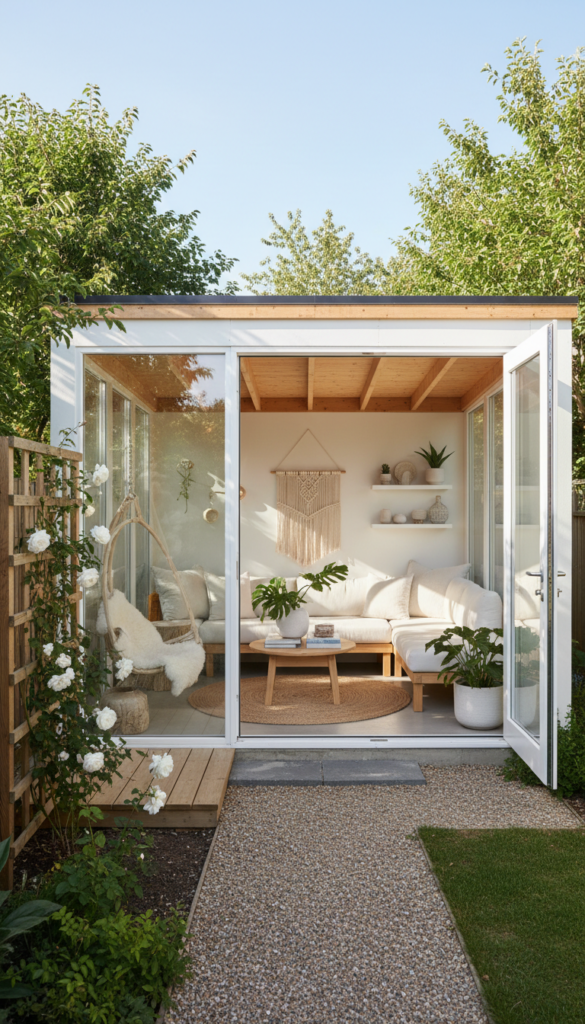
Small backyard sheds don’t need to compete with the yard — they should complement it. When thoughtfully designed, they add character, function, and warmth without overwhelming the space.
Small Shed Styling Checklist
If you want your shed to feel cozy and intentional rather than purely functional, these elements can help guide your design.
Include warm lighting, such as string lights or a small lamp, to create a soft atmosphere.
Use natural materials like wood, jute, or linen to add warmth and texture.
Incorporate vertical storage to keep the space organized.
Add a small seating area if space allows.
Place plants around the entrance to connect the shed to the garden.
Keep the color palette simple and cohesive.
Use decorative storage like woven baskets.
Avoid clutter by giving every item a clear purpose.
When these details come together, even a small shed can feel thoughtfully designed and inviting. I selected curated items on Amazon to turn your shed into a cozy and organized retreat.
Small Shed Essentials to Get Started
If you are planning to build a shed in a small backyard, starting with the right foundation makes the entire process easier.
One of the biggest challenges is figuring out the right size, layout, and structure for your specific space. Without a clear plan, it is easy to make mistakes that can cost time, money, and effort.
This is where having access to detailed shed plans can make a significant difference.
With My Shed Plans, you can explore a wide range of shed designs that can be adapted for small backyards. These plans include step-by-step instructions, material lists, and multiple size options, making it much easier to choose a design that fits your space.
Instead of trying to figure everything out on your own, you can start with a proven structure and adjust it to match your needs. Whether you want a compact storage shed, a narrow layout, or a multifunctional mini shed, having a clear plan helps you move forward with confidence.
Starting with a well-designed plan often turns a complicated project into something simple and achievable.
Choosing the Right Size and Layout for a Small Backyard Shed
When space is limited, choosing the right shed size matters just as much as the design itself. A shed that’s too large can overwhelm a small backyard, while one that’s too small may not meet your needs.
A good starting point is to measure the available area and think about how the shed will be used. Will it be mainly for storage? A small workspace? A cozy retreat? Defining its purpose first helps avoid overbuilding or underbuilding.
In compact yards, rectangular or square layouts tend to work best because they’re easier to position along fences, walls, or corners. Keeping clear pathways around the shed also helps the backyard feel open and functional.
It’s also important to consider door placement and interior flow. Sliding doors or outward-opening doors save space, while thoughtful interior layouts prevent the shed from feeling cramped once it’s in use.
The goal isn’t to fill the yard — it’s to create a shed that fits naturally into it.
Common Mistakes to Avoid in Small Backyard Shed Projects
One of the most common mistakes people make is choosing a shed based on looks alone. While aesthetics are important, ignoring layout, storage needs, or access can quickly lead to frustration.
Another frequent issue is underestimating storage requirements. Small sheds need smart organization from the start. Without shelves, hooks, or vertical storage, clutter builds up fast and makes the space feel smaller than it is.
Poor placement is another problem. A shed that blocks light, disrupts garden flow, or feels disconnected from the rest of the yard can make the entire outdoor space feel off-balance. Planning placement carefully avoids this.
Finally, many people skip the planning phase entirely. Even small sheds benefit from a clear plan — including size, layout, and materials. A little planning upfront saves time, money, and regret later.
Avoiding these mistakes helps ensure your small backyard shed feels intentional, functional, and cozy — exactly what it should be.
How to Make a Small Shed Feel Cozy and Intentional
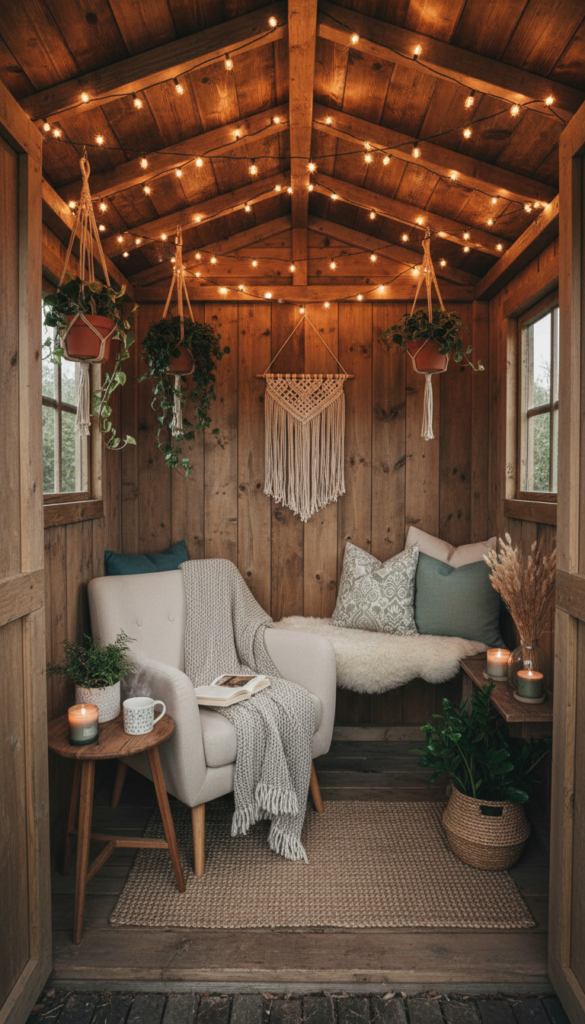
A small shed becomes truly special when it feels designed with purpose — not just placed in the backyard. The secret to a cozy shed isn’t size, but the details that make it feel warm and inviting.
Start with soft textures and natural materials. Wood finishes, woven baskets, and simple textiles instantly add warmth and character, even in very small spaces. These elements help the shed feel more like a room than a utility structure.
Lighting also plays a huge role. String lights, wall sconces, or even a small table lamp can completely change the mood of the shed. Warm lighting creates an inviting atmosphere and makes the space usable beyond daylight hours.
Adding a personal touch makes all the difference. A small shelf with plants, artwork, or decorative storage helps the shed feel intentional and lived-in. When every item has a purpose, the space feels calm instead of cluttered.
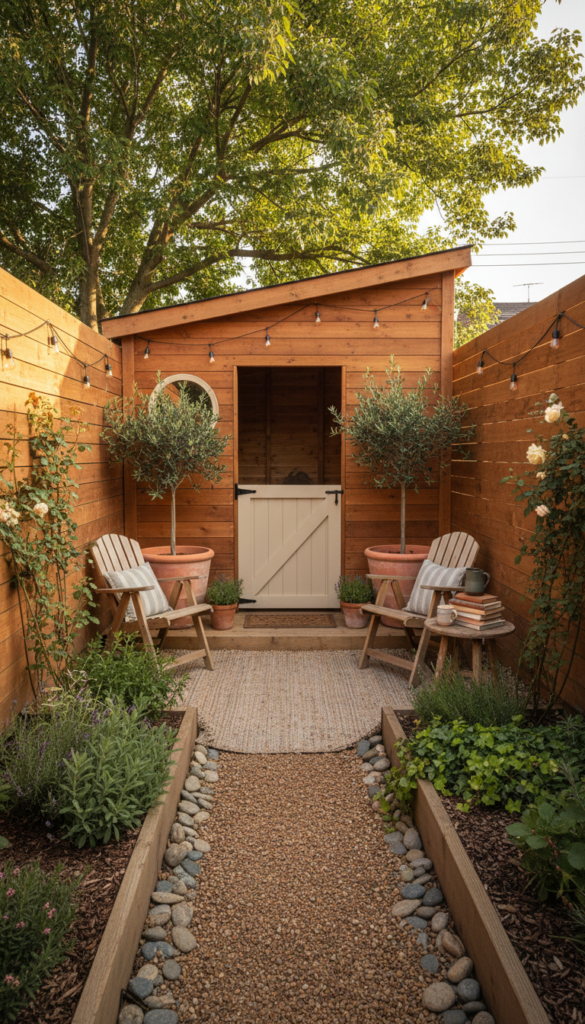
Even the exterior matters. A coat of paint, potted plants by the door, or a simple pathway leading to the shed strengthen the connection between the shed and the rest of the backyard.
Planning: Why a Good Shed Plan Matters
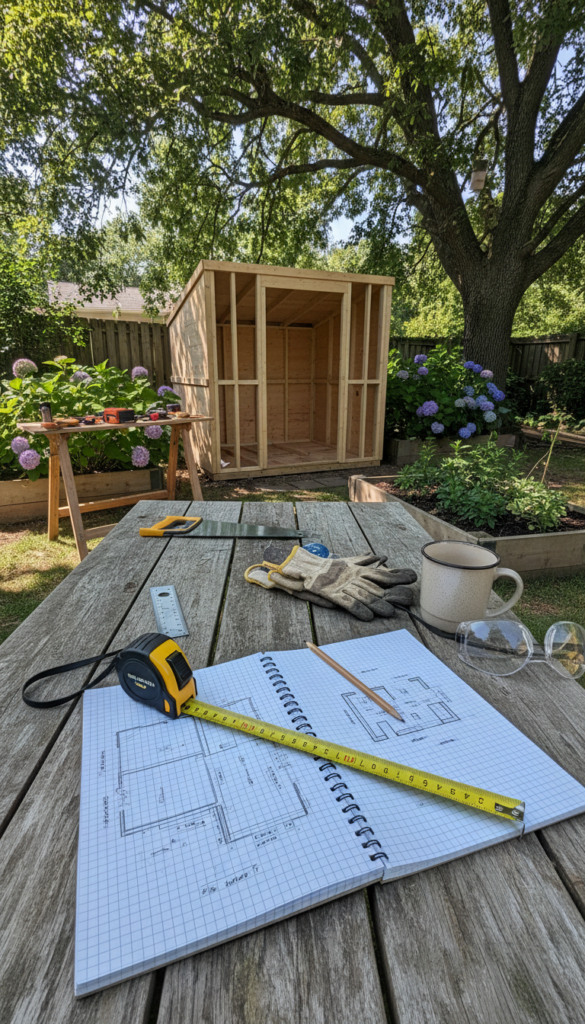
When you’re working with a small backyard, planning becomes even more important. Limited space leaves very little room for trial and error, which is why having a clear shed plan can make the entire project smoother and more enjoyable.
A good shed plan helps you visualize the final result before you start building. It allows you to understand proportions, choose the right layout for your yard, and avoid common mistakes like oversizing or poor placement. This is especially helpful in compact spaces where every decision impacts how the backyard feels as a whole.
For DIY projects, detailed shed plans can save a lot of time and frustration. Plans that include multiple size options, material lists, and step-by-step instructions make it easier to adapt the design to your specific backyard instead of forcing a one-size-fits-all solution.
If you’re considering building your own shed, using professionally designed shed plans can be a smart starting point. They provide structure and guidance while still allowing flexibility to customize the shed so it fits your space, your style, and your outdoor living needs.
Good planning turns a small backyard shed into a confident decision rather than a stressful project. When you know what you’re building and why, the result feels intentional, functional, and perfectly suited to your home.
Create a Backyard You Actually Want to Spend Time In
A small backyard shed is not just about storage. When designed with intention, it can become one of the most enjoyable parts of your outdoor space.
It might be a quiet place to read in the afternoon, a creative corner for your hobbies, or simply a cozy spot that makes your backyard feel more complete. Even in a limited space, small details like layout, lighting, and materials can completely change how the area feels.
The beauty of working with a small backyard is that every choice matters. And when those choices are made with purpose, the result often feels more personal, more inviting, and more connected to your everyday life.
If you are looking for more ways to transform your outdoor space, you might also enjoy exploring these ideas:
• Tiny Backyard Ideas That Feel Intimate and Warm
• The Dreamy Timber-Frame Garden Shed
• How to Turn a Basic Shed into a Cozy Retreat
• Easy Shed Plans for DIY Backyard Projects
Or explore more inspiration in the outdoor living section to continue designing a backyard that feels like your own private retreat.

Hi, I’m Livia. A mom who believes that a house becomes a home through the little things.
Over time, I started to understand what truly makes a space feel cozy, comfortable, and safe. Little by little, I transformed my own home into a place where my family and I genuinely love to be, a space that feels calm, warm, and ours.
Here, I share simple ideas and thoughtful inspiration to help you turn your home into your favorite place in the world too.