
Lighting Temperature Guide for Brighter Spring Interiors
This post may contain affiliate links, which means we may earn a small commission at no extra cost to you. We may also display third-party ads and include links to partner brands or shops. Some images may be created or enhanced using AI or sourced from licensed platforms. All opinions are our own.
If your home still feels dull even after switching out pillows and adding fresh flowers, the problem may not be your decor.
It may be your lighting temperature.
The wrong bulb can make soft spring colors look gray, pastels look cold, and white walls look harsh. The right lighting temperature makes rooms feel brighter during the day and cozy at night.
This guide will help you choose the correct bulb temperatures and placement so your home feels fresh for spring without losing warmth.
Step 1: Understand Kelvin Numbers
Lighting temperature is measured in Kelvin, abbreviated as K.
Here is what the numbers mean in practical terms:
2200K–2700K: Warm white, soft golden glow
2700K–3000K: Warm neutral white
3500K–4100K: Cool white
5000K+: Daylight, bright and blue-toned
For spring interiors, you want brightness without coldness.
The ideal range for most living spaces is 2700K to 3000K.
Anything above 3500K can make rooms feel sterile and flat.
Step 2: Use 2700K in Living Rooms and Bedrooms
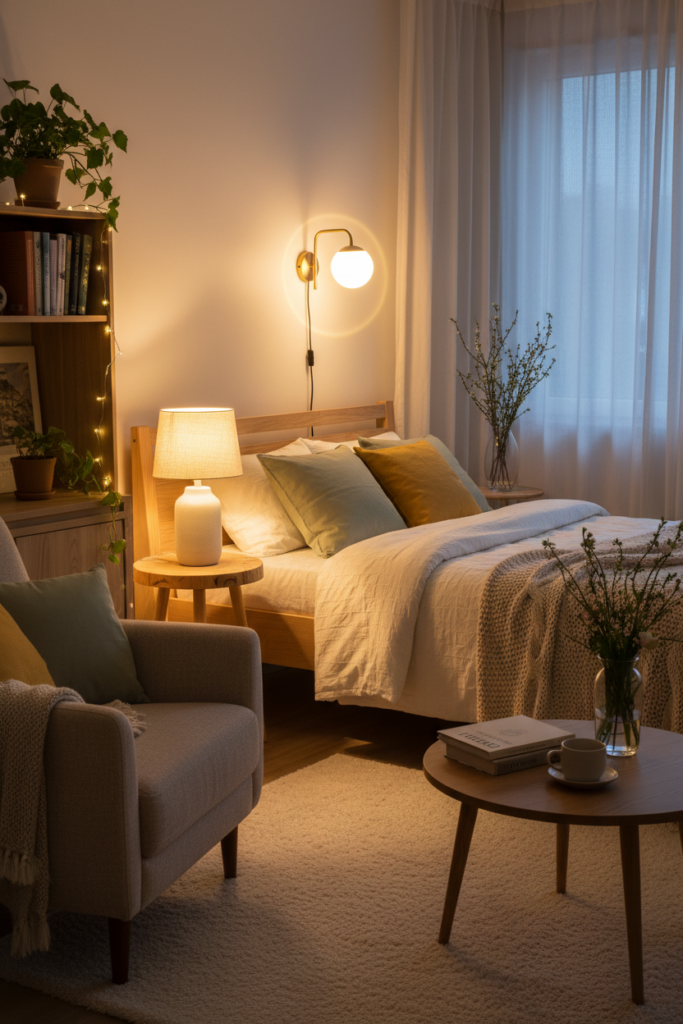
Living rooms and bedrooms should feel inviting, even in spring.
Use bulbs between 2700K and 3000K for:
Table lamps
Floor lamps
Overhead fixtures
Wall sconces
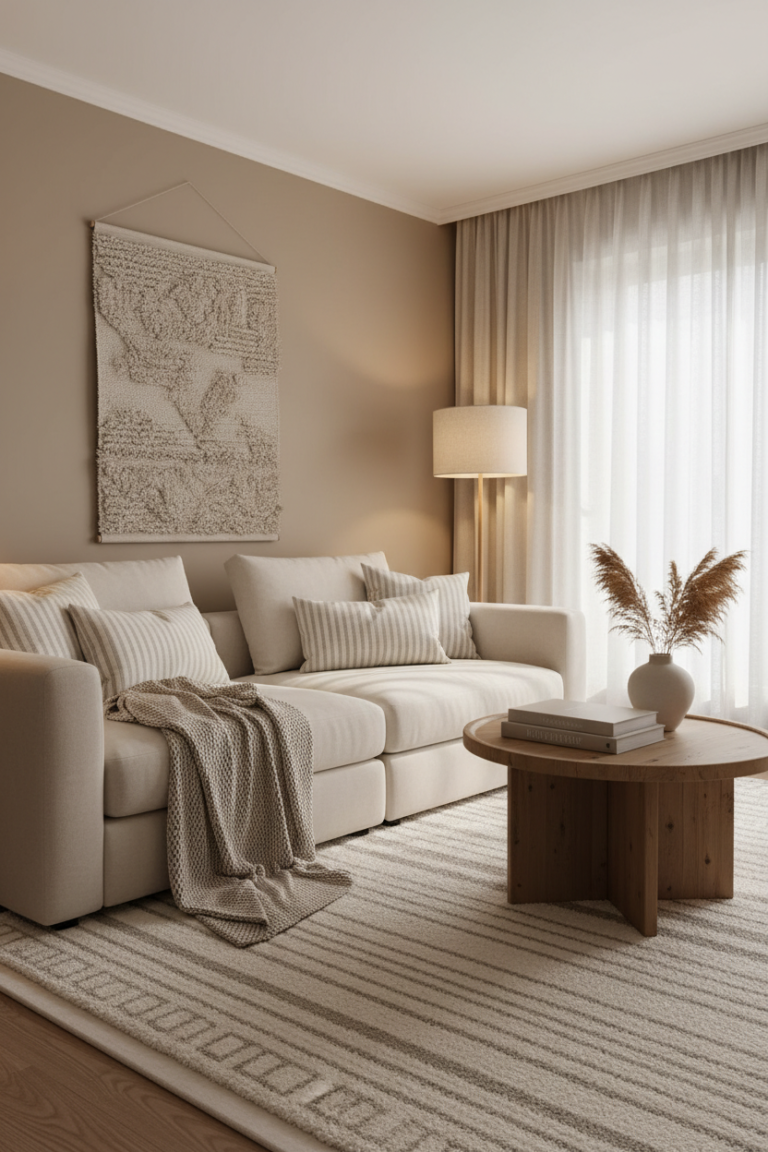
This temperature enhances warm neutrals, wood tones, and pastel accents.
Soft sage, blush, and cream tones look richer under 2700K light.
Avoid 4000K bulbs in these spaces. They reduce warmth and exaggerate cool undertones.
Step 3: Use 3000K in Kitchens and Work Areas
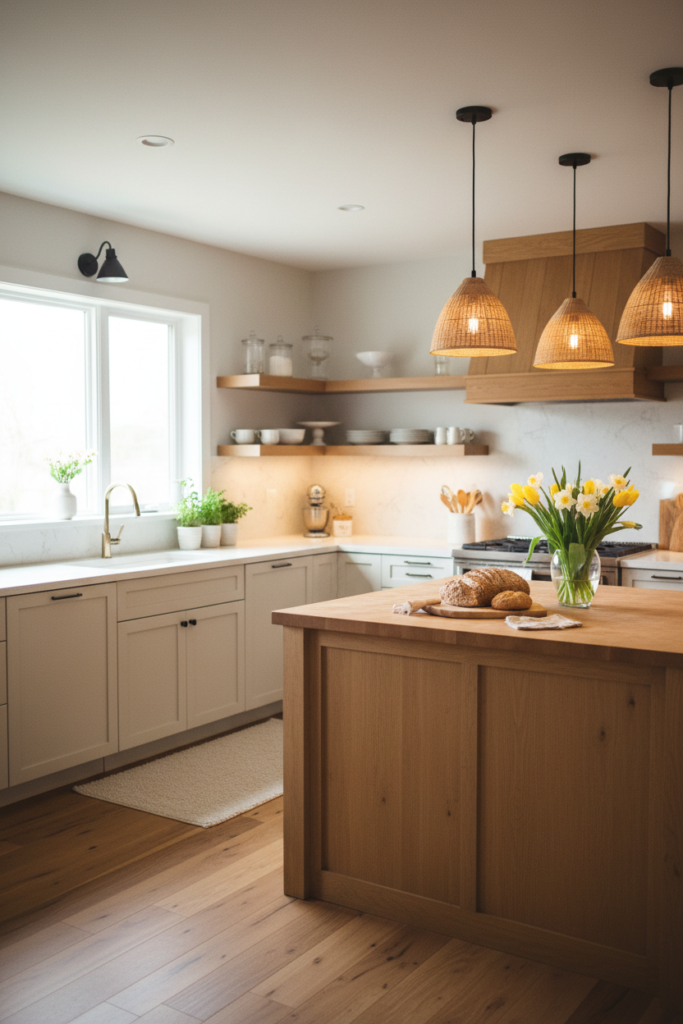
Spring interiors often benefit from slightly brighter light in task areas.
In kitchens, laundry rooms, and home offices, 3000K works well.
It provides clarity without the harshness of cool white.
Under-cabinet lighting should also stay within the 2700K–3000K range for consistency.
Mixing 2700K and 4000K in the same open-concept space creates visual imbalance.
Stick to one temperature family per zone.
Step 4: Balance Natural Light With Artificial Light

Spring brings longer daylight hours.
Observe how your room looks at midday and sunset.
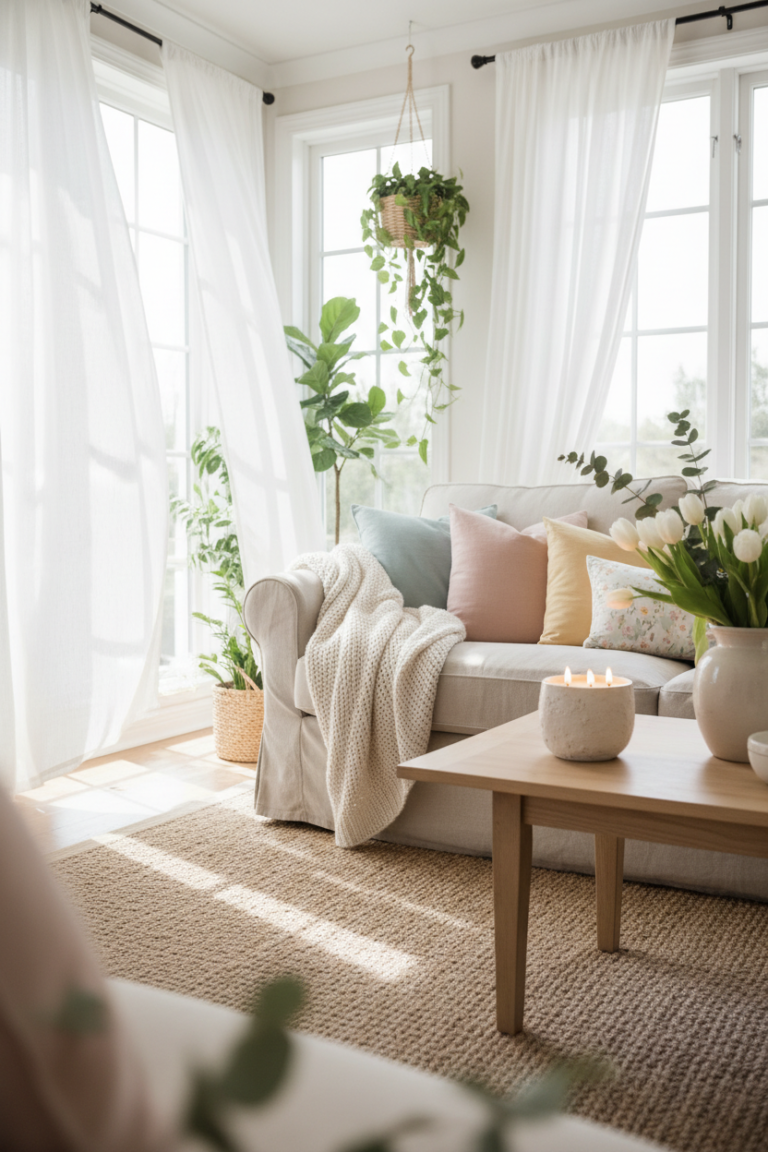
If you have strong natural light, choose bulbs closer to 2700K so the room does not feel washed out in the evening.
If your room lacks natural light, 3000K can provide added brightness while remaining warm.
Avoid trying to replicate daylight with 5000K bulbs indoors.
Daylight bulbs are often too blue for cozy interiors.
Step 5: Layer Light Sources Strategically
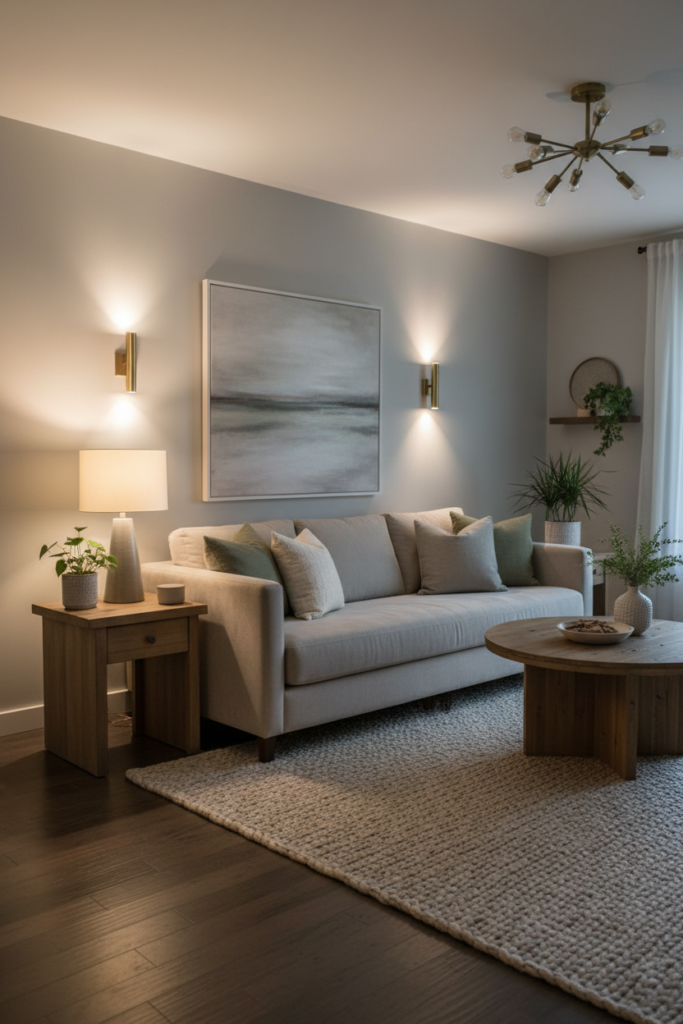
For balanced spring lighting, use three layers:
Overhead lighting for general brightness
Task lighting for function
Accent lighting for mood
In a living room, this might mean:
Ceiling fixture at 3000K
Table lamp at 2700K
Wall sconce at 2700K
The slight variation creates dimension without obvious contrast.
Always use dimmers on overhead fixtures when possible.
Dimmers allow you to brighten during the day and soften in the evening.
Step 6: Match Bulb Temperature Across Fixtures
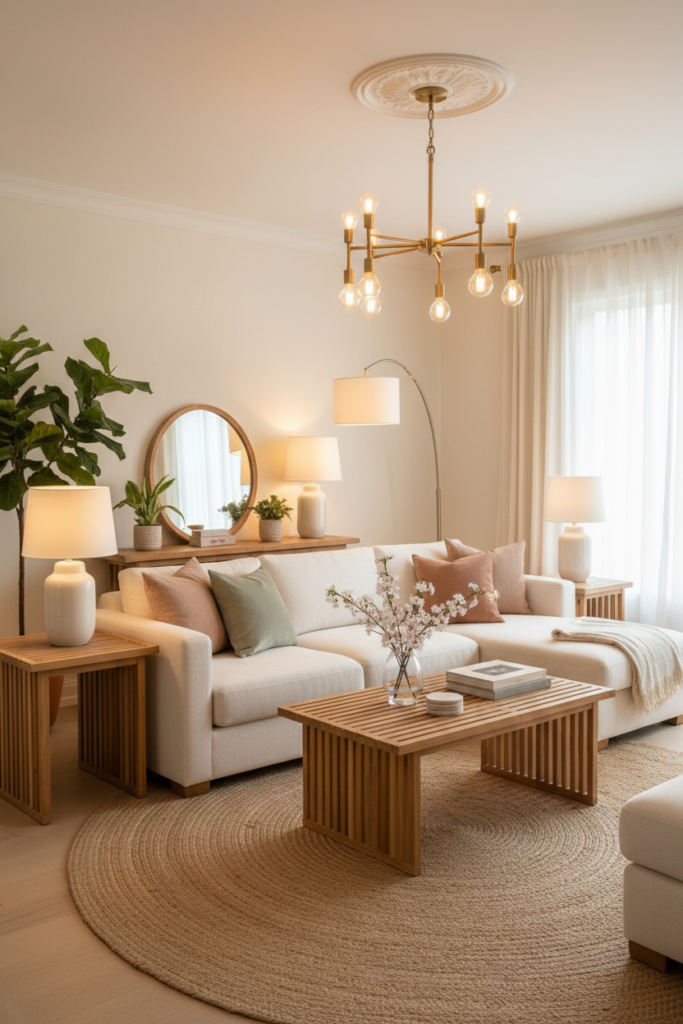
Consistency matters.
Within one room, keep all bulbs within 200K of each other.
For example, do not mix 2700K table lamps with 4000K recessed lighting.
If you use 2700K in lamps, use 2700K or 3000K overhead.
Color temperature mismatch is one of the biggest reasons rooms feel visually uncomfortable.
The goal is brightness with harmony.
Step 7: Consider Lumen Output for True Brightness

Brightness is measured in lumens, not Kelvin.
For spring interiors, aim for:
800 lumens for table lamps
1100–1600 lumens for overhead fixtures in medium rooms
2000+ lumens for large open-concept areas
A brighter room does not require cooler light.
Instead of increasing Kelvin, increase lumens while keeping temperature warm.
This maintains comfort while improving clarity.
Room-by-Room Spring Lighting Guide
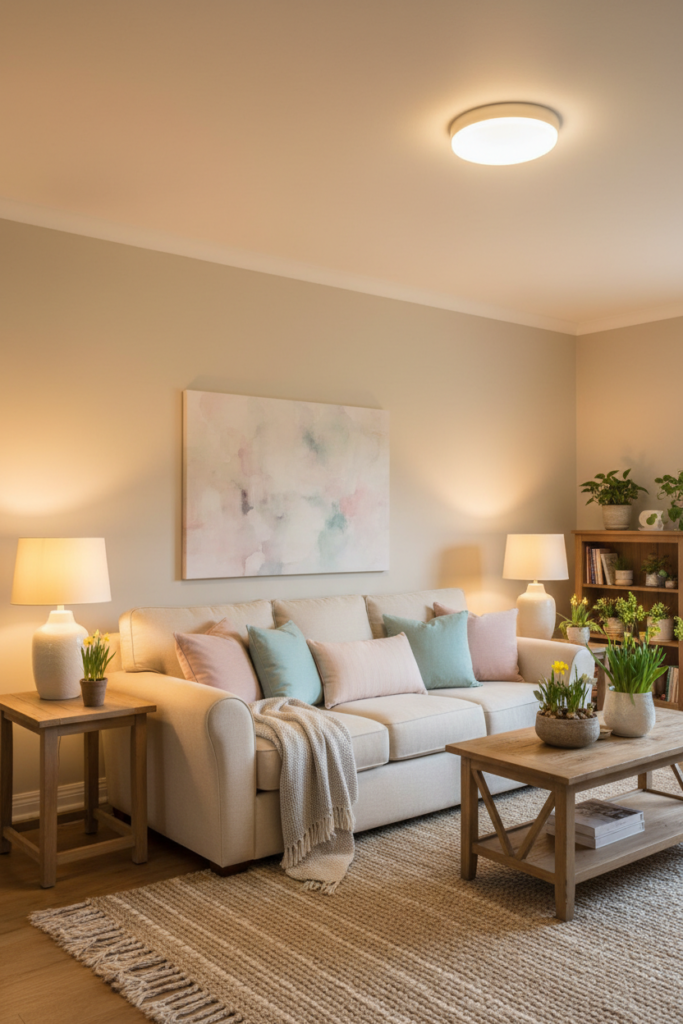
Living room:
2700K bulbs
Layered lamps
Dimmers installed
Bedroom:
2700K only
Soft bedside lamps
Avoid cool overhead lighting

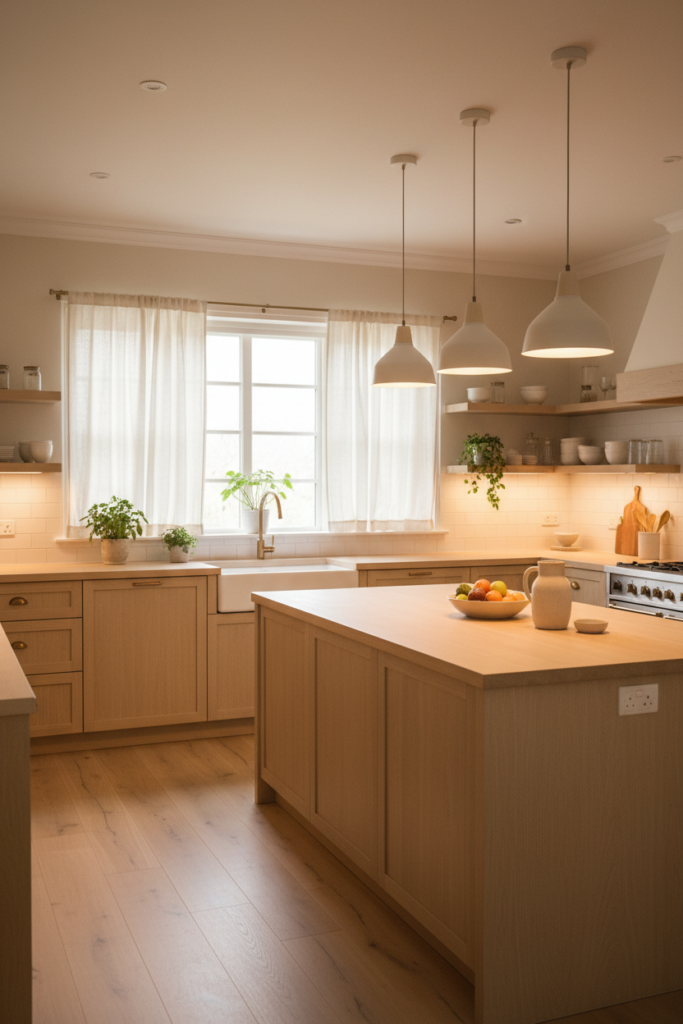
Kitchen:
3000K overhead
2700K accent lighting
Consistent under-cabinet lighting
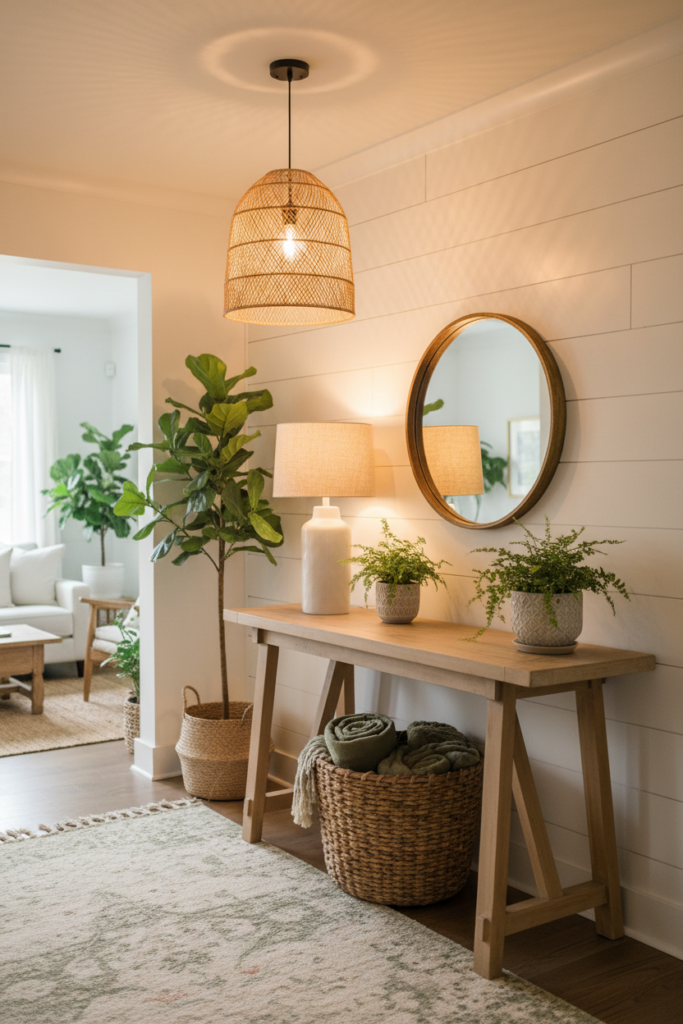
Entryway:
2700K–3000K
Medium lumen brightness
Warm glow for welcoming feel
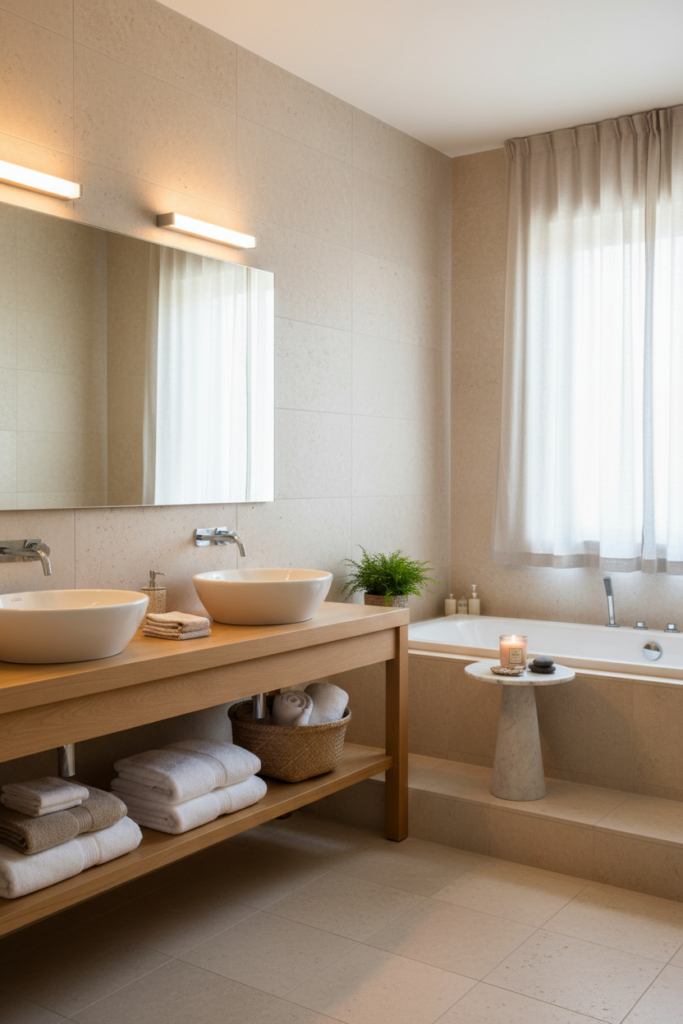
Bathrooms:
3000K for clarity
Avoid 4000K unless strictly functional
These adjustments improve seasonal brightness without losing warmth.
Common Mistakes
Using daylight bulbs above 4000K in living spaces
This creates a cold, sterile look.
Mixing bulb temperatures randomly
Inconsistent lighting disrupts color balance.
Ignoring dimmers
Brightness control is essential for evening comfort.
Assuming higher Kelvin equals brighter room
Lumens determine brightness, not temperature.
Over-lighting small rooms
Too much overhead light removes softness.
Pro Tip for a Cozier Look
In spring, use brighter overhead lighting during the day but rely on lamps in the evening.
Turn off ceiling fixtures after sunset and allow table and floor lamps to define the room.
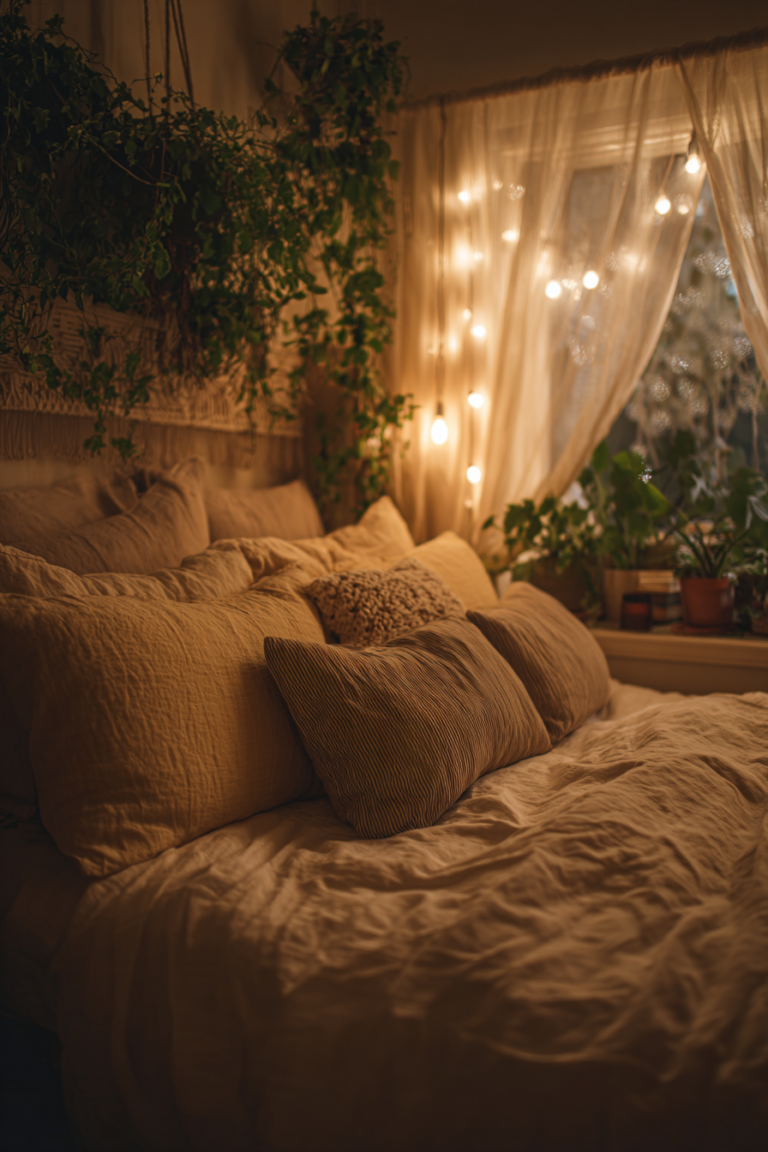
Warm light reflecting off linen curtains and textured decor creates a soft glow that enhances spring colors.
Brightness should feel natural, not clinical.
A Balanced Approach to Spring Lighting
To brighten your home for spring, adjust lighting temperature before changing decor.
Stick to 2700K–3000K.
Match bulbs within each room.
Increase lumens instead of Kelvin.
Layer lighting for depth.
Small lighting adjustments can completely transform how your space feels.
The right temperature makes spring interiors look lighter during the day and cozy at night.
Light is not just functional.
It is the foundation of atmosphere.