
How to Make Your Bedroom Cozy in the Winter
This post may contain affiliate links, which means we may earn a small commission at no extra cost to you. We may also display third-party ads and include links to partner brands or shops. Some images may be created or enhanced using AI or sourced from licensed platforms. All opinions are our own.
Winter has a way of slowing everything down. The days get shorter, the nights feel quieter, and home naturally becomes the place where we want to feel safest and most comfortable. During this season, the bedroom isn’t just where we sleep. It becomes a retreat, a place to warm up, rest, and recharge.
Making your bedroom cozy in the winter doesn’t require a full makeover or expensive upgrades. Most of the time, it’s about small, intentional changes that improve how the space feels on a daily basis. Warm textures, soft lighting, and thoughtful layers can completely change the atmosphere of a room, even if its layout stays the same.
In this guide, you’ll find simple and realistic ways to make your bedroom feel warmer, calmer, and more inviting during the colder months. These ideas focus on comfort first, with an aesthetic that feels natural and lived-in rather than styled for a catalog.
Disclaimer: This article may contain affiliate links, which means I may earn a small commission at no extra cost to you if you choose to make a purchase through them. The images used throughout this post are generated with the help of artificial intelligence and are intended for inspiration purposes only, helping to visualize cozy concepts rather than represent exact products or spaces.
1. Start with Warm and Layered Bedding

When it comes to winter comfort, the bed is everything. It’s the largest surface in the room and the place where warmth matters most. Instead of replacing all your bedding, focus on layering what you already have.
Start with sheets that feel soft and slightly heavier against the skin. Fabrics like cotton percale with a tighter weave or flannel work especially well in colder weather. From there, build layers gradually rather than relying on a single bulky blanket.
Adding an extra duvet, a quilt, or a lightweight comforter creates insulation while still allowing flexibility. A folded throw or knitted blanket at the foot of the bed adds both warmth and visual softness, making the bed look more inviting without feeling cluttered.
Neutral and warm-toned bedding often enhances the cozy feeling, but texture matters more than color. The goal is to make the bed feel like a place you genuinely want to sink into at the end of the day.
2. Use Rugs to Add Warmth Underfoot

Cold floors can make a bedroom feel uncomfortable no matter how cozy the rest of the space is. Adding a rug is one of the simplest ways to instantly warm up the room, both physically and visually.
A rug helps insulate the floor, making mornings more pleasant when you step out of bed. It also softens sound, which naturally contributes to a calmer and more restful environment. Even in small bedrooms, a well-placed rug can make a noticeable difference.
You can place a large rug under the bed to anchor the entire space or use smaller rugs on each side if that works better for your layout. Materials like wool, cotton blends, or thicker woven textures tend to feel warmer and more comfortable during winter.
Beyond practicality, rugs introduce another layer to the room, helping it feel more complete and thoughtfully put together.
3. Switch to Soft, Warm Lighting

Lighting plays a major role in how a bedroom feels during winter. Harsh overhead lights can make the space feel cold and uninviting, especially in the evening when your body naturally wants to slow down.
Switching to warm-toned bulbs and relying more on indirect lighting can completely change the atmosphere. Table lamps, bedside lamps, or floor lamps create pockets of soft light that make the room feel calmer and more intimate.
Instead of lighting the entire room evenly, aim for a layered approach. One light for reading, another for ambient glow, and perhaps a dimmer option for nighttime routines. This allows the bedroom to adapt to different moments of the day without ever feeling too bright or sterile.
Warm lighting not only enhances coziness but also supports better rest by signaling to your body that it’s time to unwind.
4. Add Cozy Textures Throughout the Room

Winter is the season where texture truly shines. Even a neutral bedroom can feel warmer and more inviting simply by introducing a few soft, tactile elements throughout the space.
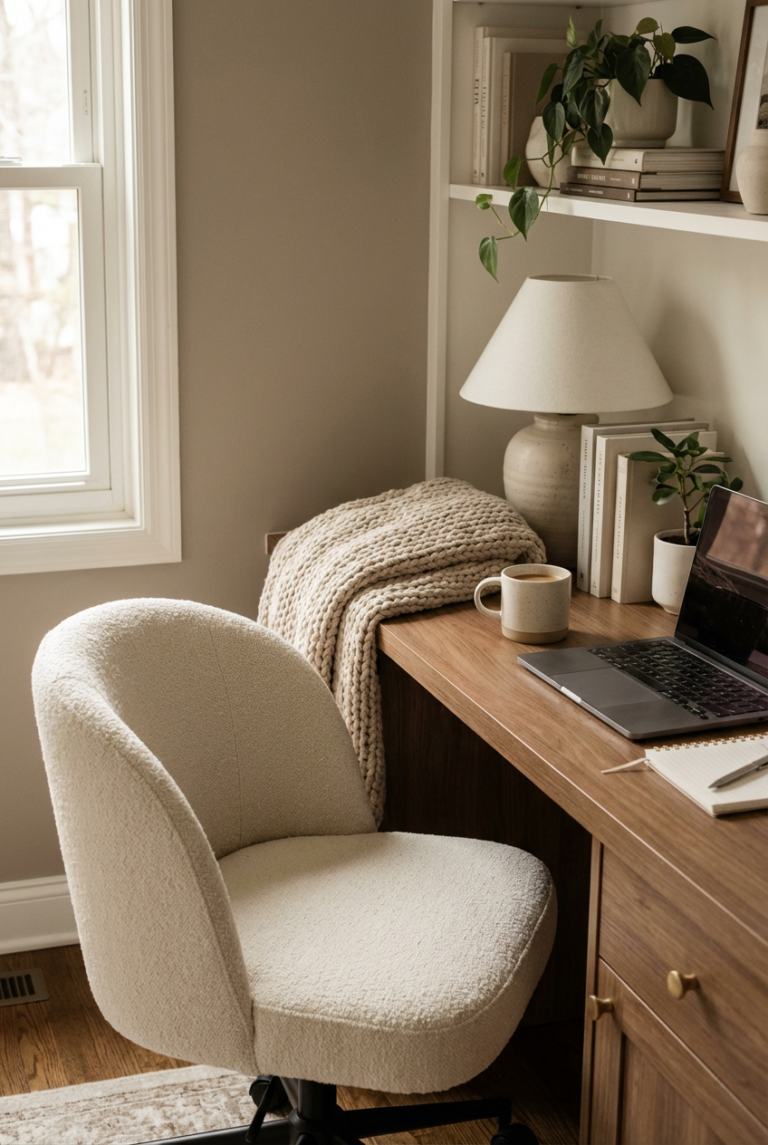
Think beyond the bed. A knitted throw draped over a chair, a textured pillow on a bench, or a soft cover on a stool can subtly transform the room. These small additions create visual warmth and make the space feel layered without overwhelming it.
Mixing different textures works better than repeating the same one everywhere. Pair smooth cotton bedding with chunky knits, soft rugs, or woven baskets. The contrast makes the room feel more intentional and comfortable, while still calm and cohesive.
The goal isn’t to add more decor, but to make the room feel softer and more welcoming at a glance and to the touch.
5. Use Curtains to Keep the Cold Out

Curtains are often chosen for privacy or style, but during winter they also serve a practical purpose. Heavier or lined curtains help reduce drafts and keep warmth inside, making the bedroom feel more protected from the cold.
Even if you don’t change your curtains completely, switching to thicker fabrics during winter can make a noticeable difference. Materials with more weight naturally create a sense of enclosure, which contributes to the cozy feeling many of us crave in colder months.
Beyond insulation, curtains visually frame the room and soften hard lines, especially around windows. Neutral tones, warm whites, or subtle textures tend to work best, as they add warmth without darkening the space too much.
When closed in the evening, curtains reinforce the feeling of retreat, helping the bedroom feel like a calm and restful sanctuary.
6. Bring in Warm, Muted Colors

Color has a quiet but powerful impact on how a space feels, especially in winter. Cooler shades and stark contrasts can make a bedroom feel crisp, while warmer, muted tones naturally create a sense of comfort and calm.
You don’t need to repaint walls or commit to bold colors to achieve this effect. Introducing warm hues through textiles and small accents is often enough. Soft beige, creamy off-white, muted terracotta, olive green, and warm wood tones all work beautifully during the colder season.
These colors help balance natural light, which is often softer and more limited in winter. They also pair well with layered textures, creating a space that feels grounded rather than heavy.
Focusing on a cohesive, warm-toned palette allows the bedroom to feel intentional and soothing, without sacrificing simplicity or lightness.
7. Create a Small Nighttime Ritual Corner

Winter naturally invites slower evenings and quieter routines. Creating a small, intentional corner in your bedroom can help support that rhythm and make winding down feel more natural.
This doesn’t need to be a separate area or extra furniture. A bedside table, a chair near the window, or even a small shelf can become a space for simple nighttime rituals. A book you’re currently reading, a warm drink, a candle, or a soft lamp are often enough to set the tone.
What matters most is intention. When the bedroom supports your evening routine, it becomes more than a place to sleep. It becomes a space that encourages rest, reflection, and calm, which is especially important during the colder months.
8. Add Natural Elements for Balance

While winter bedrooms often focus on warmth and softness, adding natural elements helps keep the space feeling balanced rather than heavy. Natural textures bring a quiet sense of life and grounding that works beautifully alongside cozy decor.
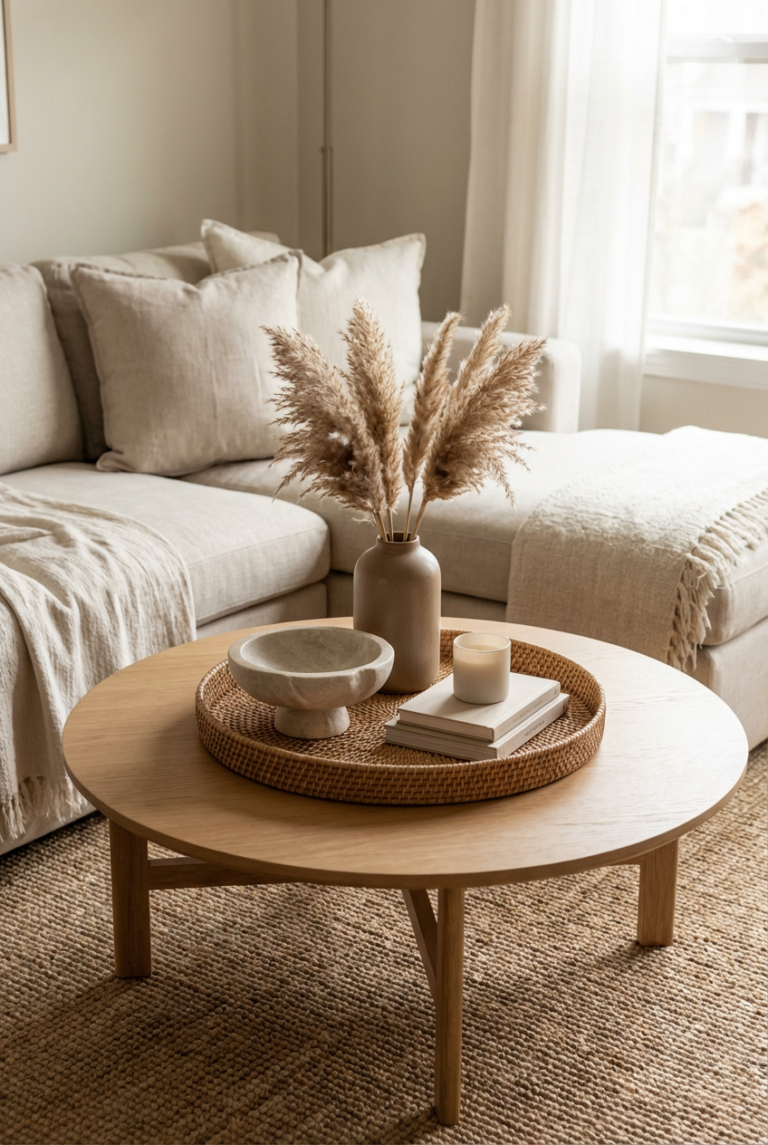
Wood accents, ceramic pieces, woven baskets, or dried branches can all add visual interest without overwhelming the room. Even a low-maintenance plant can make the bedroom feel more alive, especially during a season when we spend more time indoors.
These elements create contrast with soft textiles and layered bedding, making the room feel thoughtful and complete. The result is a cozy space that still feels fresh and connected to nature.
9. Keep the Space Calm and Uncluttered
A cozy bedroom should feel restful, not crowded. During winter, when we spend more time indoors, visual clutter can quickly make a space feel overwhelming.
Take a moment to remove items that don’t serve a purpose during this season. Storing lighter decor, summer accessories, or unused objects helps the room breathe and allows cozy elements to stand out.
Simple storage solutions like baskets, trays, or boxes can keep everyday items accessible while maintaining a calm visual flow. Clear surfaces and intentional decor choices make the bedroom feel more peaceful, which directly supports better rest and relaxation.
10. Focus on How the Room Feels, Not Just How It Looks

The most important element of a cozy winter bedroom can’t be bought or styled perfectly. It’s how the space makes you feel.
A truly cozy bedroom supports your habits, your routines, and your need for rest. It should feel comforting when you enter at night and calm when you wake up in the morning. What works for one person may not work for another, and that’s completely okay.
Instead of aiming for a picture-perfect space, focus on creating an environment that feels warm, personal, and supportive. Small adjustments, made with intention, often have the biggest impact.
Conclusion
Making your bedroom cozy in the winter doesn’t require a full redesign or a long shopping list. By layering bedding, softening lighting, introducing texture, and being mindful of how the space supports your daily routines, you can create a bedroom that feels warm and inviting all season long.
If you’re looking for more inspiration, you might enjoy exploring other cozy ideas on the blog, such as simple cozy bedroom decor tips, ways to create a relaxing nighttime routine, or practical cozy lighting ideas for small spaces. You can also find more general inspiration in guides about making your home feel cozy year-round and decorating with warmth and intention.
Winter is the perfect time to slow down and reconnect with your space. Start with one small change, and allow your bedroom to evolve into a place that truly feels like a retreat.