
How to Make a Room Feel Cozy at Night
This post may contain affiliate links, which means we may earn a small commission at no extra cost to you. We may also display third-party ads and include links to partner brands or shops. Some images may be created or enhanced using AI or sourced from licensed platforms. All opinions are our own.
There is something about nighttime that invites us to slow down. The noise of the day fades, the pace softens, and our home becomes more than just a functional space. It becomes a place to rest, to exhale, to feel safe and comfortable.
A room that feels cozy at night is not about perfect styling or expensive decor. It is about atmosphere. It is about how the light feels on your skin, how the space welcomes you after a long day, and how small intentional choices can completely change the mood of a room.
The good news is that creating a cozy feeling at night does not require a makeover. With a few simple adjustments, you can turn almost any room into a calm, warm, and inviting space once the sun goes down.
Turn Off Overhead Lights

One of the quickest ways to ruin a cozy nighttime atmosphere is by leaving overhead lights on. Ceiling lights are designed for visibility and productivity, not for rest. At night, they tend to feel harsh, flat, and overly stimulating.
When overhead lights are on, a room often feels exposed rather than comforting. The light spreads evenly across every surface, removing shadows and depth. Instead of feeling intimate and relaxing, the space can feel more like an office or a waiting room.
A simple habit that makes an immediate difference is turning off the main light as soon as evening starts. This small change signals your body that it is time to slow down and helps create a softer, more intentional environment.
Rather than lighting the entire room at once, aim to create pockets of light that guide the eye and make the space feel layered and calm.
Use Warm, Low Lighting
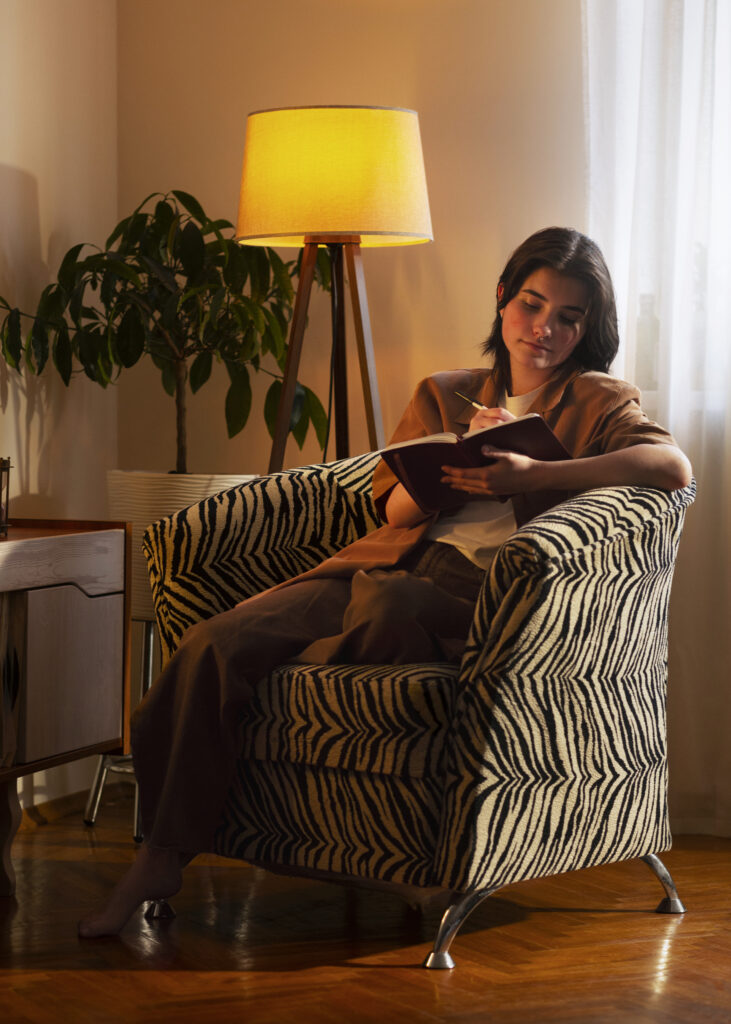
Once the overhead light is off, the next step is choosing the right kind of light. Warm lighting is essential for creating a cozy feeling at night. Cool or white light can feel energizing and alert, which is the opposite of what we want in the evening.
Warm light adds softness and depth to a room. It makes colors feel richer and textures more inviting. Lamps with warm bulbs placed at different heights can completely transform how a room feels after dark.
Table lamps, floor lamps, and small accent lights work best when they are positioned slightly below eye level. This keeps the light gentle and indirect, allowing shadows to exist and creating a sense of calm. The goal is not brightness, but comfort.
When lighting feels low and warm, a room naturally becomes more intimate. It encourages rest, conversation, and quiet moments, making it much easier to unwind at the end of the day.
Add Soft Light With Candles

Candles add a type of warmth that electric light simply cannot replace. The soft movement of the flame instantly makes a room feel calmer, slower, and more intimate. At night, this gentle light creates a sense of comfort that feels emotional as much as visual.
You do not need many candles to create this effect. One or two placed intentionally are enough to change the atmosphere of a room. A candle on a side table, a nightstand, or a coffee table naturally draws the eye and adds depth to the space without feeling decorative only.
Scent also plays an important role in how cozy a room feels at night. Certain fragrances are especially comforting and grounding. Warm vanilla, soft amber, sandalwood, lavender, and subtle woody notes tend to feel calming rather than overpowering. These scents are often associated with rest and relaxation, helping your mind disconnect from the day.
Candles with simple, thoughtful phrases can add another layer of comfort. They feel personal and meaningful, almost like a quiet reminder to slow down. When chosen intentionally, they blend into the atmosphere rather than standing out as decor.
As always, keep safety in mind. Place candles away from fabrics and never leave them unattended. When used with care, they become one of the most powerful tools for creating a cozy nighttime mood.

Layer Textures That Feel Good at Night

At night, how a room feels becomes more important than how it looks. Textures play a huge role in creating comfort, especially when the lights are low and the space is quieter.
Soft blankets, cozy throws, and textured pillows invite you to relax without effort. Draping a blanket over the arm of a sofa or folding one at the end of the bed instantly makes a room feel more welcoming. These elements signal rest and comfort, even before you sit or lie down.
Natural and tactile materials work especially well at night. Knits, linen, cotton, wool, and soft rugs add warmth and help balance the coolness that often comes with evening air. The goal is not to layer everything at once, but to add just enough softness where you naturally unwind.
A cozy room does not need to look perfectly styled. In fact, a slightly relaxed and lived-in feel often makes the space more comforting. Focus on what feels good to touch and use, not on creating a picture-perfect setup.
Style Cozy Corners Instead of the Whole Room
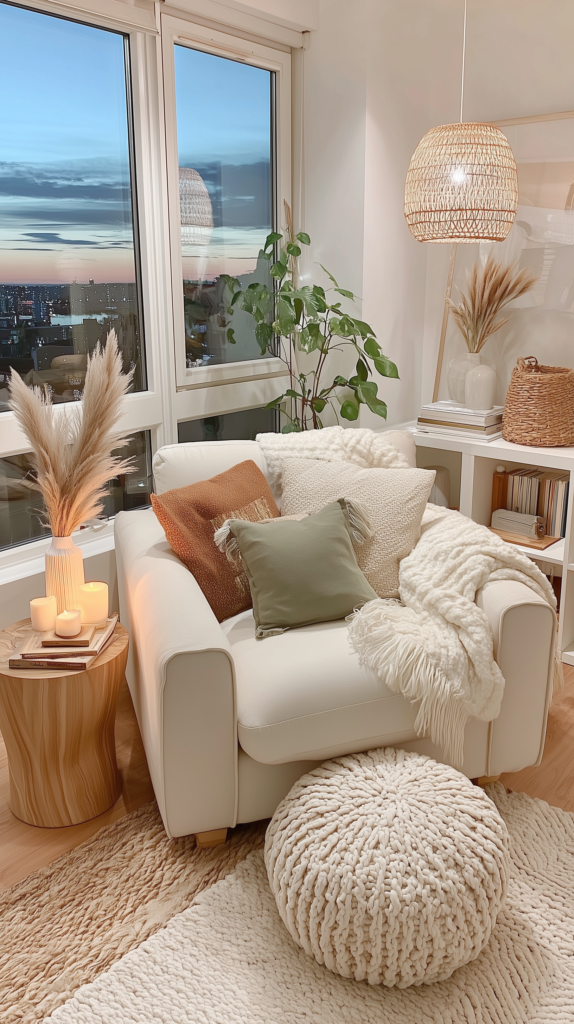
You do not need to make every part of a room feel cozy to enjoy it at night. Often, focusing on one or two cozy corners is more effective than trying to transform the entire space.
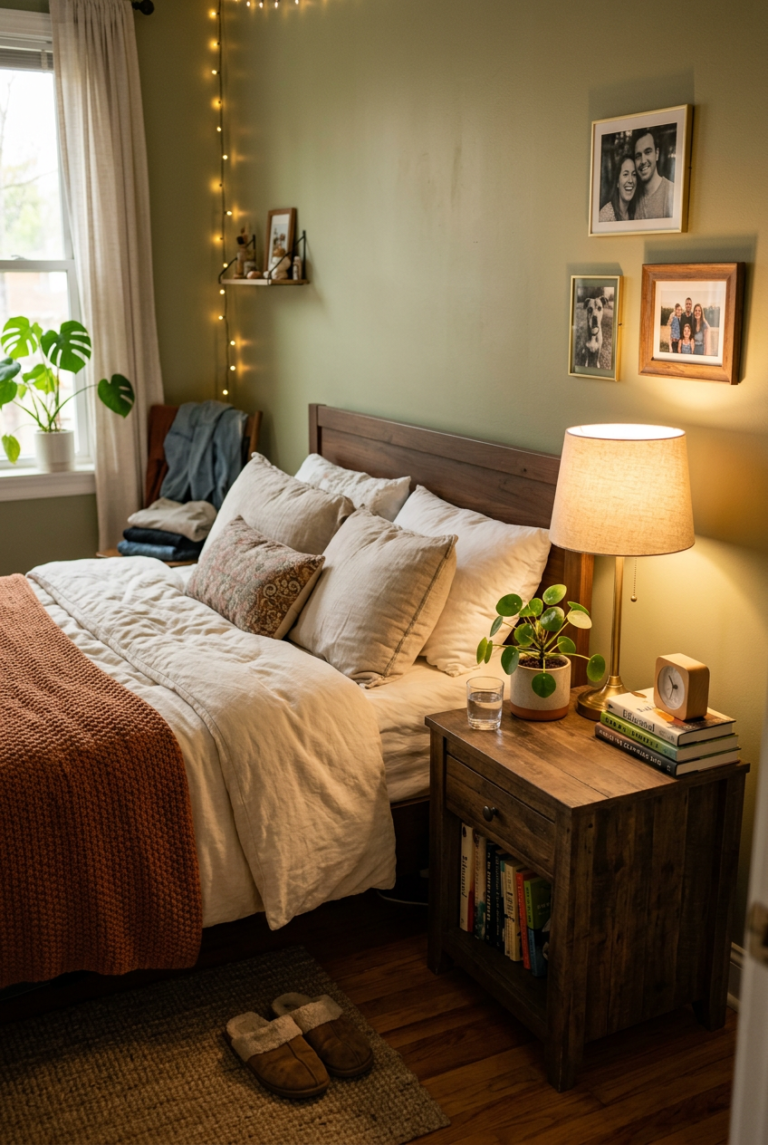
A cozy corner might be a sofa with a soft throw and a nearby lamp, a bedside area with warm light and a candle, or a chair paired with a small table and a book. These little zones naturally invite you to slow down and settle in.
By concentrating warmth and light in specific areas, the room feels more intentional and less overwhelming. The contrast between softly lit corners and darker areas adds depth and calm, making the space feel intimate rather than cluttered.
Cozy corners also make nighttime routines feel more special. They become places where you read, relax, or simply sit quietly for a few moments. Sometimes, creating comfort is less about changing everything and more about choosing one spot to truly unwind.
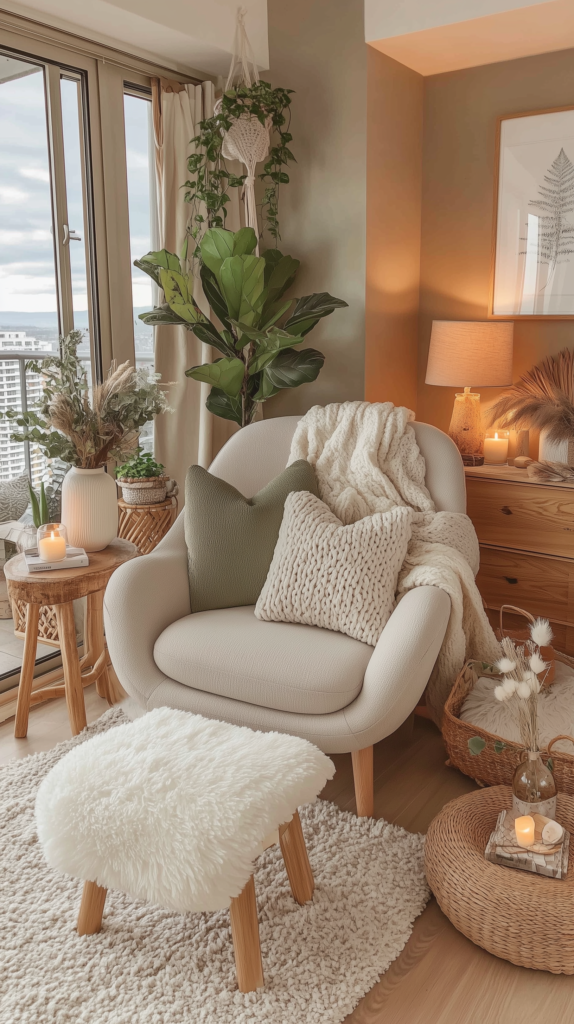
Keep Visual Noise Low
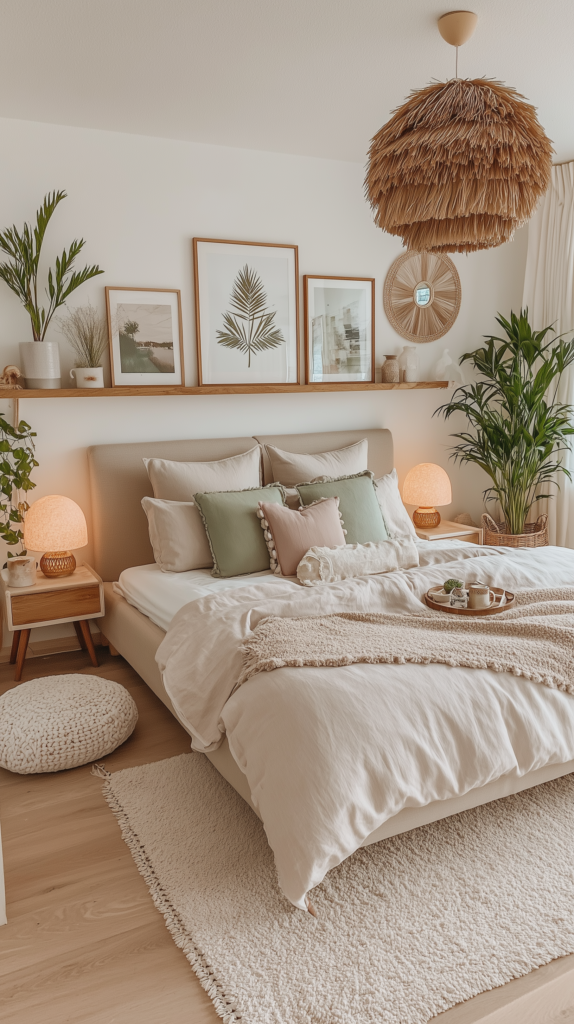
A room can have all the right lighting and textures, but if it feels visually busy, it will never feel truly cozy at night. In the evening, our senses are more sensitive, and clutter can quickly become overwhelming.
Visual noise does not always mean mess. It can also be too many decorative objects, open storage filled with items, or surfaces that feel crowded. At night, simplicity creates calm.
Before settling in, take a few minutes to clear the areas you use the most. A coffee table, a nightstand, or a side table only needs a few intentional items to feel cozy. A lamp, a candle, or a book is often enough.
A helpful mindset is asking yourself whether an item contributes to comfort. If it does not serve a purpose in how you relax at night, it may be better stored away until the next day.
Bring in a Nighttime Ritual
A cozy room is not only about decor. It is also about how you use the space. Nighttime rituals help transform your home into a place of rest rather than just another environment you move through.
Simple actions repeated each evening can make a big difference. Dimming the lights, lighting a candle, playing soft music, or making a warm drink are small habits that signal to your body that the day is ending.
These rituals do not need to be elaborate. What matters is consistency. Over time, your home begins to feel cozy almost automatically at night because your senses associate these moments with calm and comfort.
When your space supports these rituals, your room becomes more than cozy. It becomes grounding, familiar, and deeply restful.
Bring Natural Elements Into the Room at Night

Natural elements have a quiet way of making a space feel calmer, especially at night. When the lights are low, organic textures and materials help soften the room and bring a sense of balance that feels comforting rather than decorative.
Plants are one of the easiest ways to add this feeling. Even in the evening, their shapes and shadows add life to a space without demanding attention. If caring for plants feels like too much, dried branches, simple greenery, or even a small bowl of natural elements can have a similar effect.
Materials like wood, linen, ceramic, and stone also contribute to a cozy nighttime atmosphere. These elements feel grounding and timeless, helping the room feel less styled and more lived in. At night, when everything slows down, natural textures remind us to do the same.
The key is subtlety. A few organic touches are enough to make a room feel warm and connected, without overwhelming the space.

Choose Scents That Signal Rest

Scent plays a powerful role in how a room feels, even when we are not fully aware of it. At night, the right fragrance can gently signal to your body that it is time to rest and unwind.
Cozy nighttime scents tend to be soft, warm, and familiar. Notes like vanilla, amber, sandalwood, lavender, and light woods are often associated with comfort and calm. These fragrances create an emotional layer in a room, making it feel more intimate and soothing.
It is best to keep scents subtle in the evening. Strong or overly sweet fragrances can feel overwhelming at night. A lightly scented candle or a gentle room fragrance is usually enough to change the mood without taking over the space.
When scent becomes part of your evening routine, your room starts to feel cozy almost automatically. Over time, your senses learn to associate that fragrance with rest and relaxation.
Use Curtains and Soft Boundaries
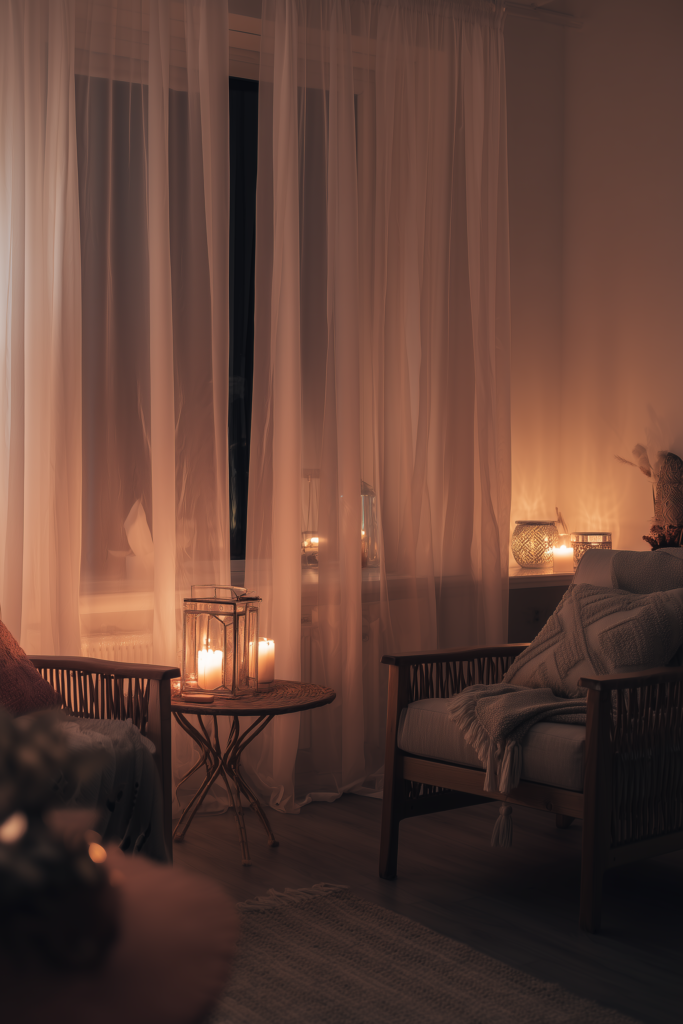
At night, a cozy room often feels like a small retreat from the outside world. Curtains and soft boundaries help create that feeling of refuge by visually closing the space and making it feel more protected.
Closing curtains in the evening instantly changes the atmosphere of a room. It reduces visual distractions and creates a sense of privacy, which naturally feels comforting after a long day. Even light, airy curtains can soften the space and make it feel calmer once the sun goes down.
Soft boundaries can also come from furniture placement and textiles. A rug defining a seating area, a throw draped over a chair, or a canopy-like feeling created by fabric can make a room feel more intimate and contained.
These gentle separations do not make a space smaller. Instead, they make it feel more intentional and safe, which is exactly what we seek from a cozy room at night.
Conclusion
Making a room feel cozy at night is not about following rules or trends. It is about creating an atmosphere that helps you slow down and feel at ease. Soft lighting, gentle textures, meaningful details, and simple rituals all work together to transform how a space feels once the day is over.
The most important thing is paying attention to what brings you comfort. Start small, adjust gradually, and let your home reflect the pace you want your evenings to have.
Related Cozy Ideas to Explore Next
For more inspiration and deeper guidance, you may enjoy exploring these cozy home topics next:
- How to make your bedroom cozy in the winter
- 10 simple ways to make your house feel like a cozy home (that actually work!)
- How to create a cozy living room on a budget
- 5 small cozy home office ideas for ultimate productivity
- 15 simple ways to create a cozy bedroom

Hi, I’m Livia. A mom who believes that a house becomes a home through the little things.
Over time, I started to understand what truly makes a space feel cozy, comfortable, and safe. Little by little, I transformed my own home into a place where my family and I genuinely love to be, a space that feels calm, warm, and ours.
Here, I share simple ideas and thoughtful inspiration to help you turn your home into your favorite place in the world too.