Spring Living Room Layout Refresh Guide
This post may contain affiliate links, which means we may earn a small commission at no extra cost to you. We may also display third-party ads and include links to partner brands or shops. Some images may be created or enhanced using AI or sourced from licensed platforms. All opinions are our own.
Sometimes your living room does not need new decor. It needs a new layout.
After winter, rooms can feel heavy and closed in. Furniture may be pushed tightly together for warmth. Walkways may feel narrow. Light may be blocked by bulky pieces.
A spring layout refresh is about opening the room, improving flow, and letting natural light move freely.
This guide gives you practical placement rules and measurements so your living room feels lighter and more functional without buying anything new.
Step 1: Reestablish the Main Focal Point
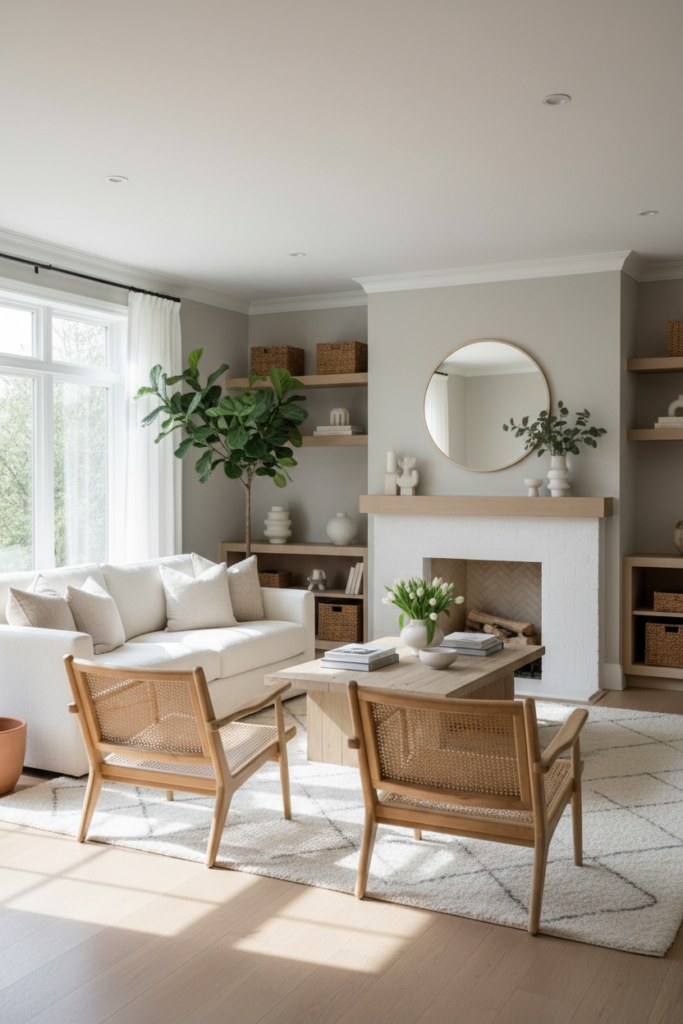
Every living room should revolve around one clear focal point.
This may be:
A fireplace
A large window
A media unit
A statement wall
Before moving furniture, identify what the room should face.
Arrange your main seating so it visually acknowledges that focal point.
If you have a fireplace, your sofa should either face it directly or sit perpendicular within clear view.
Avoid angling furniture randomly. Clean alignment feels intentional and calm.
Step 2: Follow the 18-Inch Coffee Table Rule
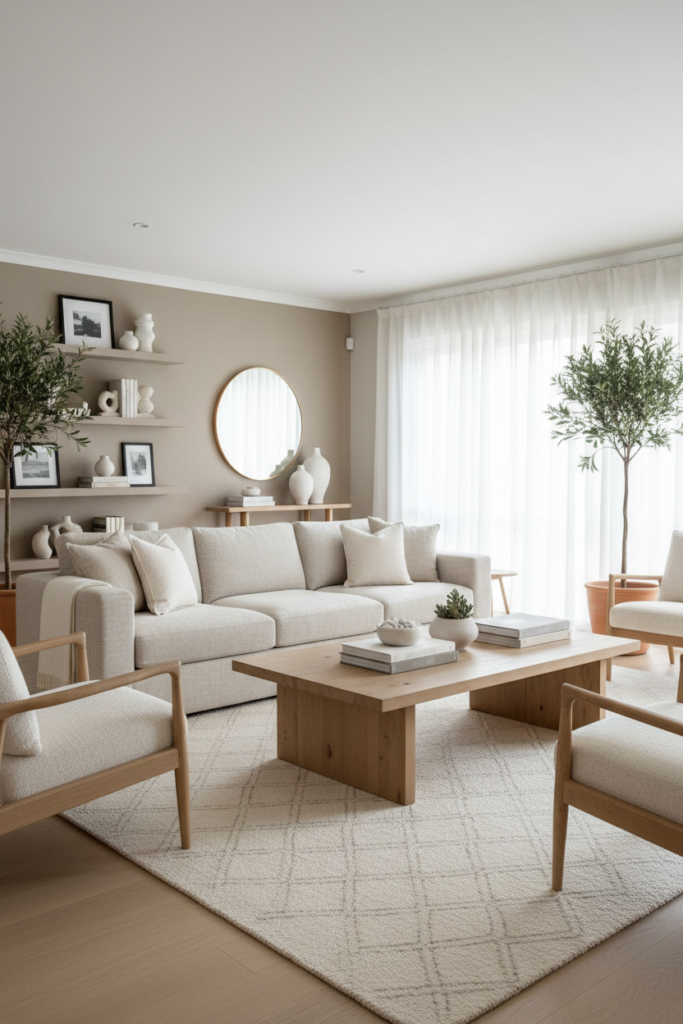
Spacing immediately changes how a room feels.
The ideal distance between your sofa and coffee table is 16 to 18 inches.
Less than 12 inches feels cramped.
More than 24 inches feels disconnected.
If your room feels tight, try pulling the coffee table slightly closer and sliding seating back.
Maintaining that 16 to 18 inch gap keeps the room functional while improving flow.
For larger living rooms, ensure the coffee table is approximately two thirds the length of your sofa.
This keeps proportions balanced.
Step 3: Improve Walkway Clearance
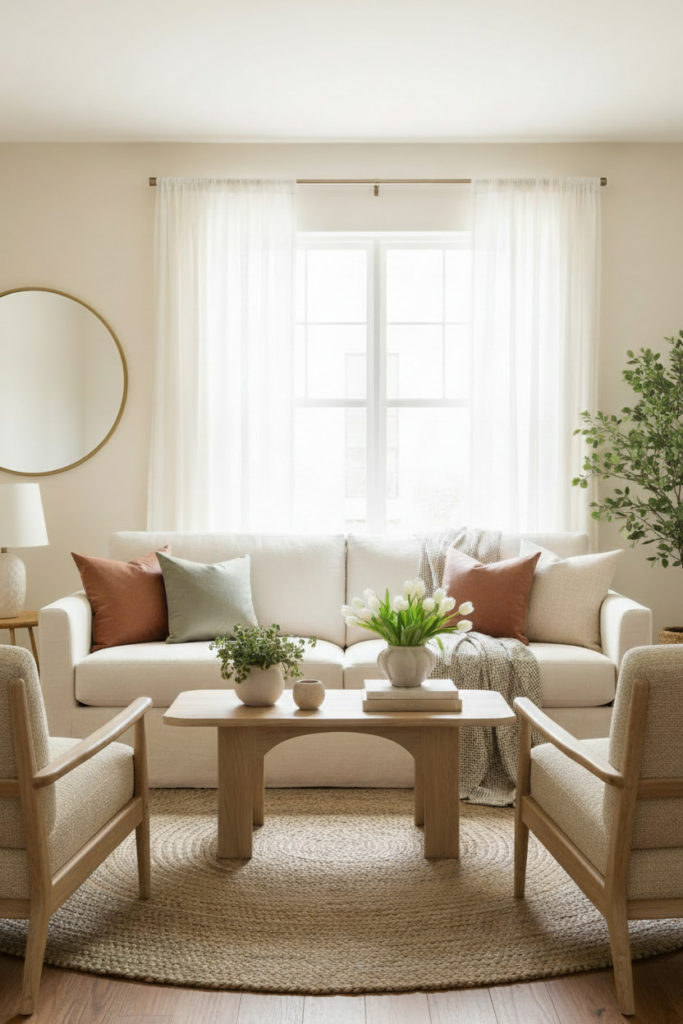
Spring layouts should feel open and breathable.
Allow at least 30 to 36 inches of walking space in main pathways.
Common walkway zones include:
Between sofa and TV
Behind a sofa
Between chairs
If possible, avoid blocking natural light paths with tall furniture.
For example, do not place a tall bookshelf directly beside a large window if it restricts brightness.
Shifting one large piece even 6 to 12 inches can dramatically improve movement.
Step 4: Pull Furniture Away From the Walls
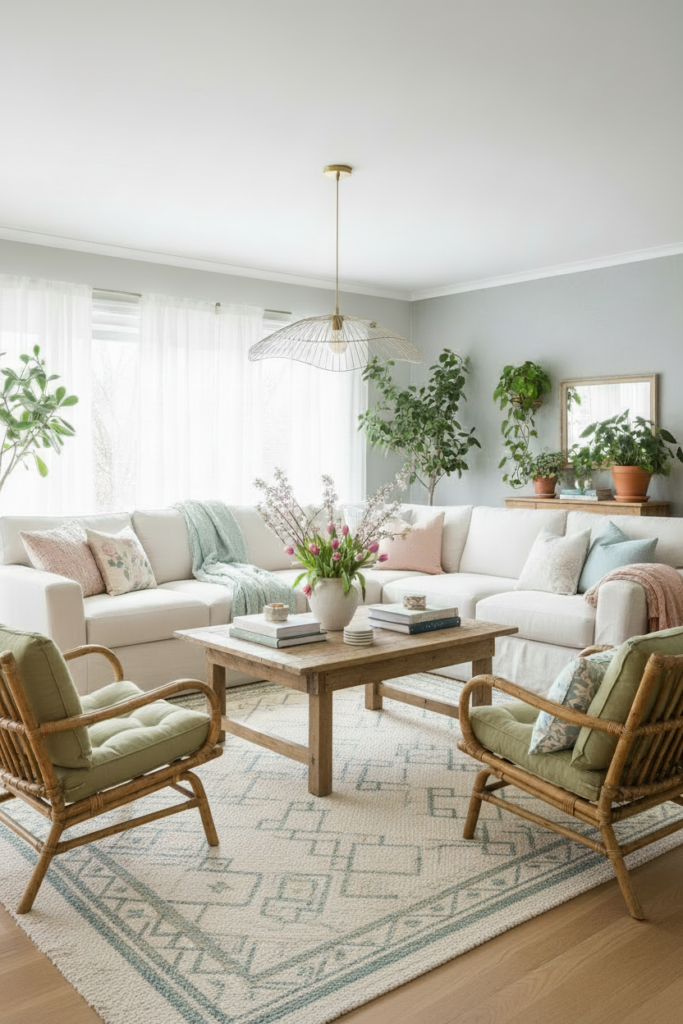
In winter, furniture often gets pushed against walls to maximize floor space.
In spring, pull key pieces slightly inward.
Move your sofa 3 to 6 inches away from the wall if space allows.
Float chairs closer to the coffee table instead of pressing them into corners.
This creates a more intentional seating zone and allows the room to breathe.
Floating furniture also improves conversation flow.
Step 5: Use the 3-Point Seating Triangle
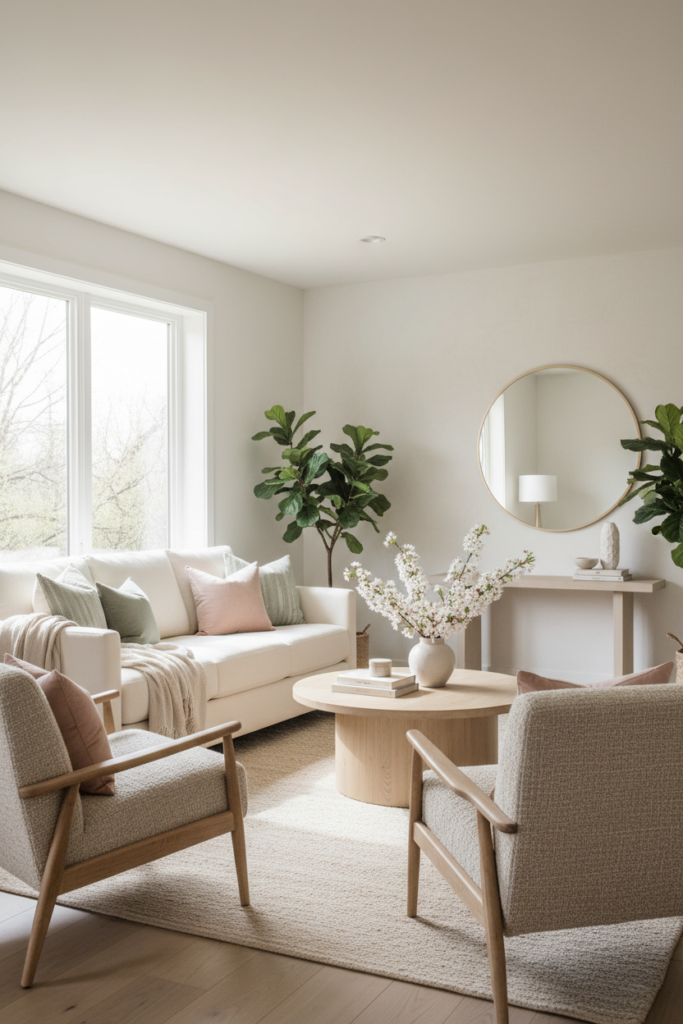
For balanced seating, create a loose triangle between main pieces.
Sofa
Accent chair
Second chair or loveseat
The distance between each seat should be no more than 8 feet.
This ensures comfortable conversation without raising voices.
If your living room feels disconnected, bring seating closer together rather than spreading it around the perimeter.
Spring layouts benefit from intimacy paired with openness.
Step 6: Let Light Guide Placement
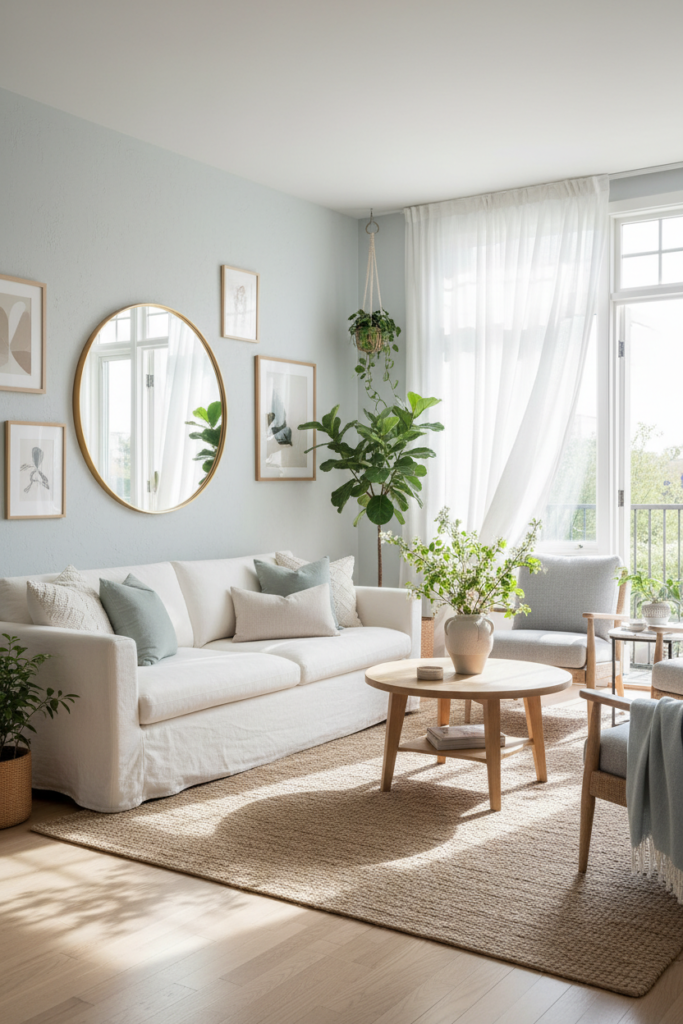
Spring refresh is about light.
Observe where sunlight enters during the day.
Avoid placing tall cabinets or dark pieces in front of major light sources.
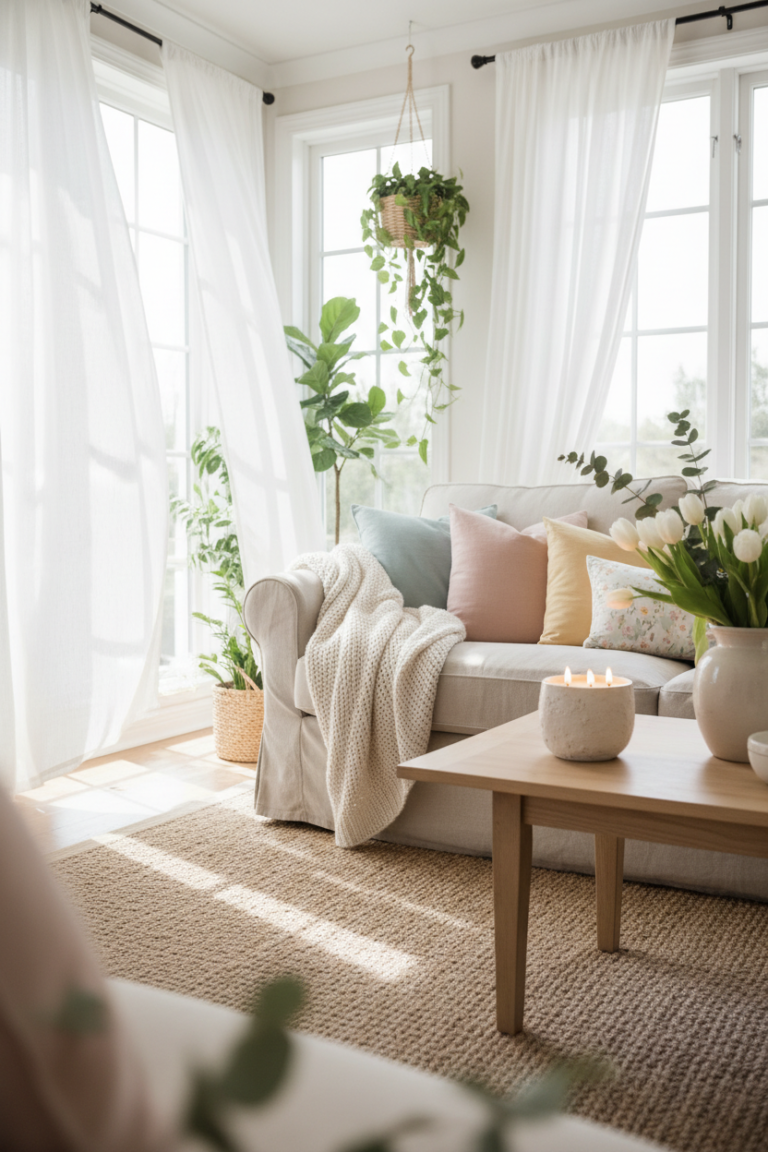
If your sofa blocks part of a window, consider shifting it perpendicular to the window instead of parallel.
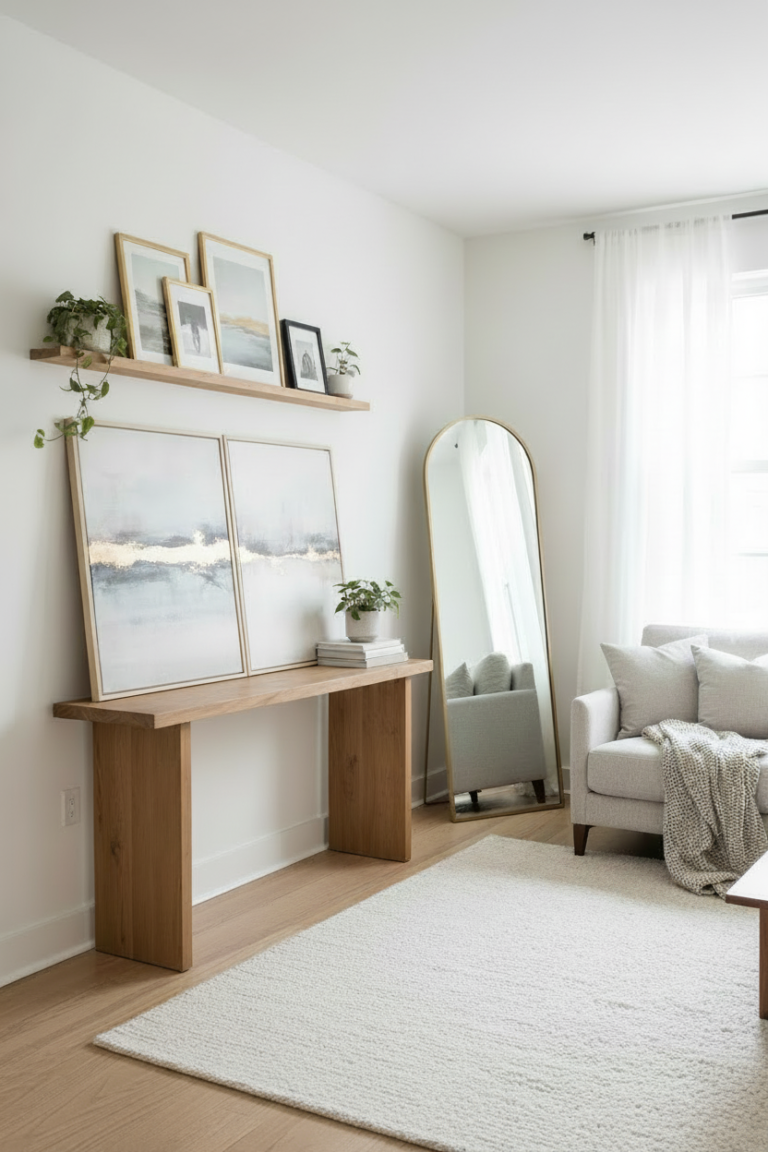
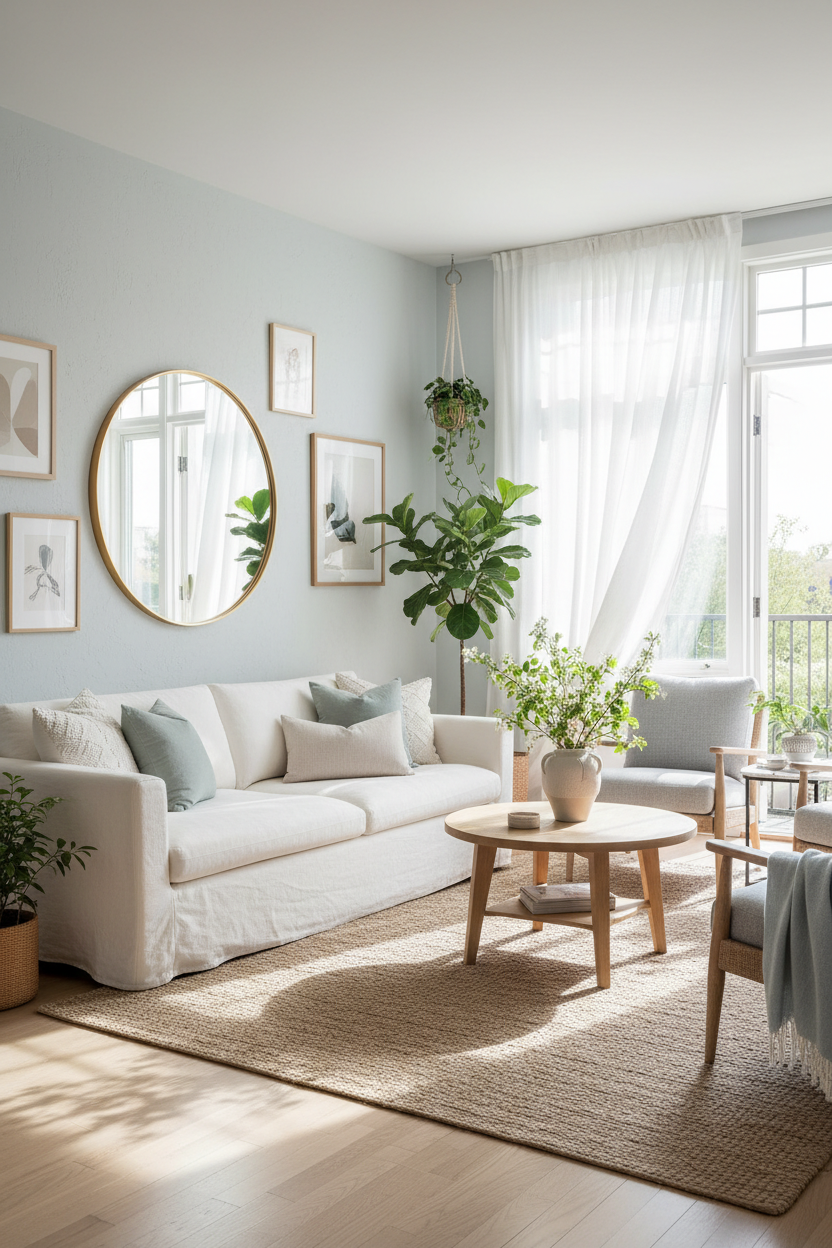
Use mirrors opposite windows to reflect natural light deeper into the room.
Even a 24 to 36 inch mirror can double the brightness visually.
Layout adjustments should support natural light, not fight it.
Step 7: Simplify Secondary Furniture
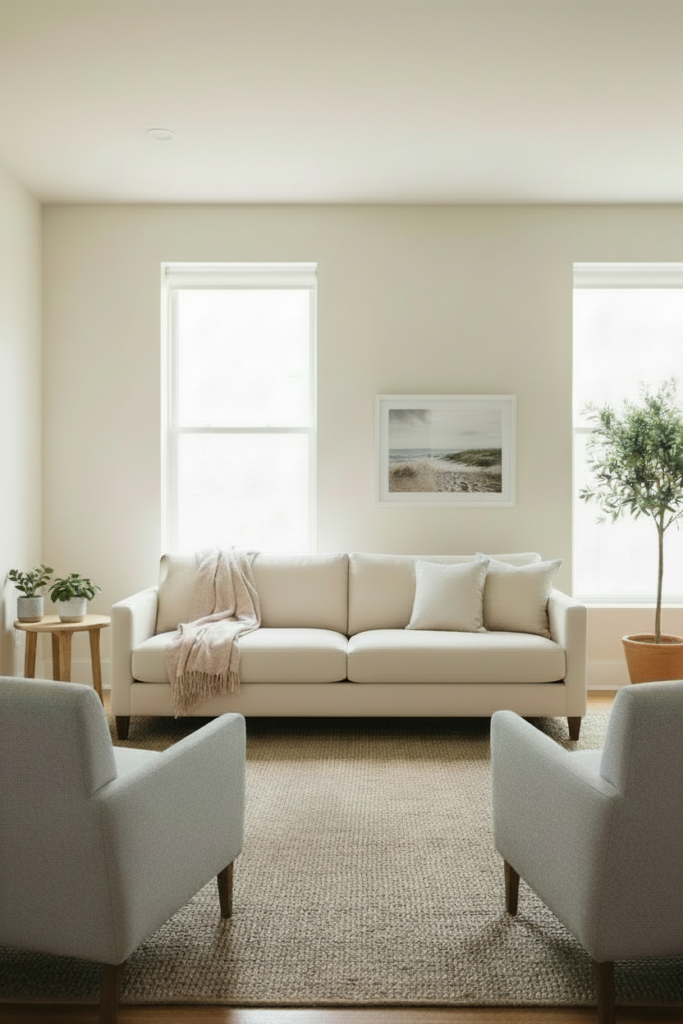
Too many side tables, extra chairs, or storage pieces can make the room feel crowded.
Evaluate each piece with this question:
Does this support seating or flow?
If not, consider removing it.
Spring refresh often means subtracting one small table or unused chair.
Open floor space increases perceived size and airiness.
Aim to leave at least 30 percent of visible floor area open.
Sample Spring Layout Adjustments
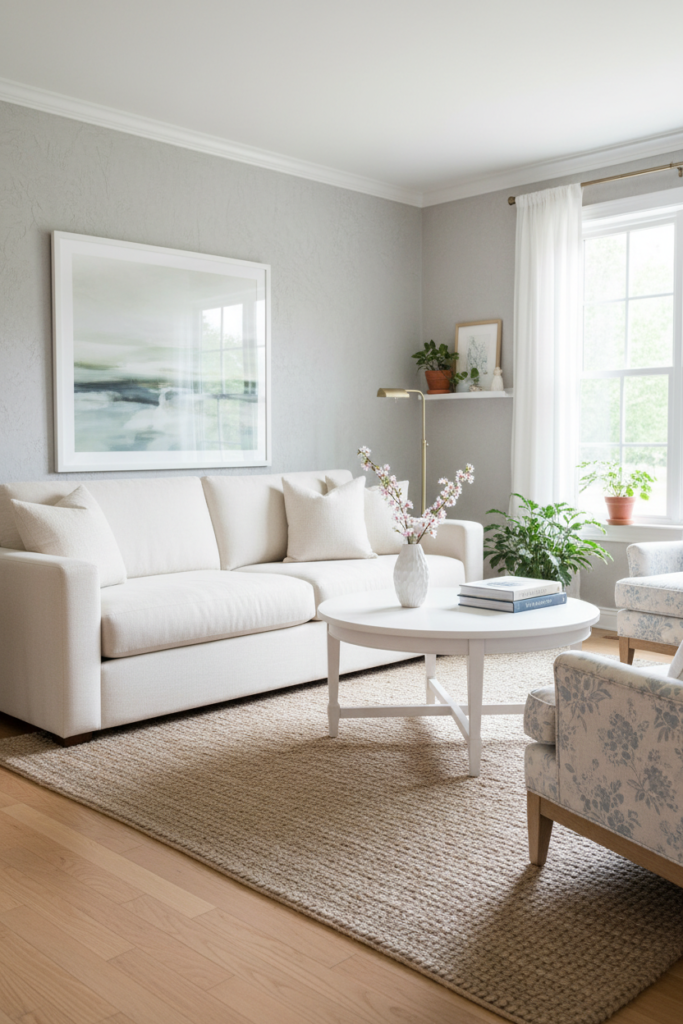
Small living room:
Pull sofa 4 inches from wall
Move coffee table to 18 inch distance
Remove one side table
Angle chair slightly toward center
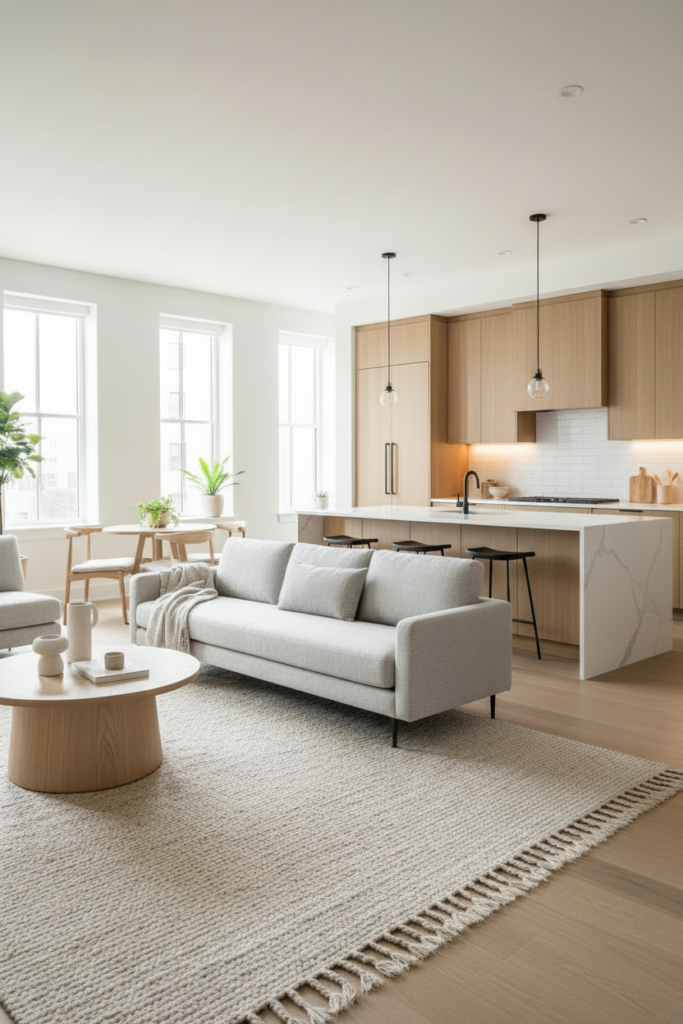
Open-concept space:
Define seating area with rug
Ensure rug extends under front legs of sofa and chairs
Maintain 36 inch walkway behind seating
Large living room:
Float sofa toward focal point
Add two chairs opposite to create symmetry
Keep traffic flow along perimeter
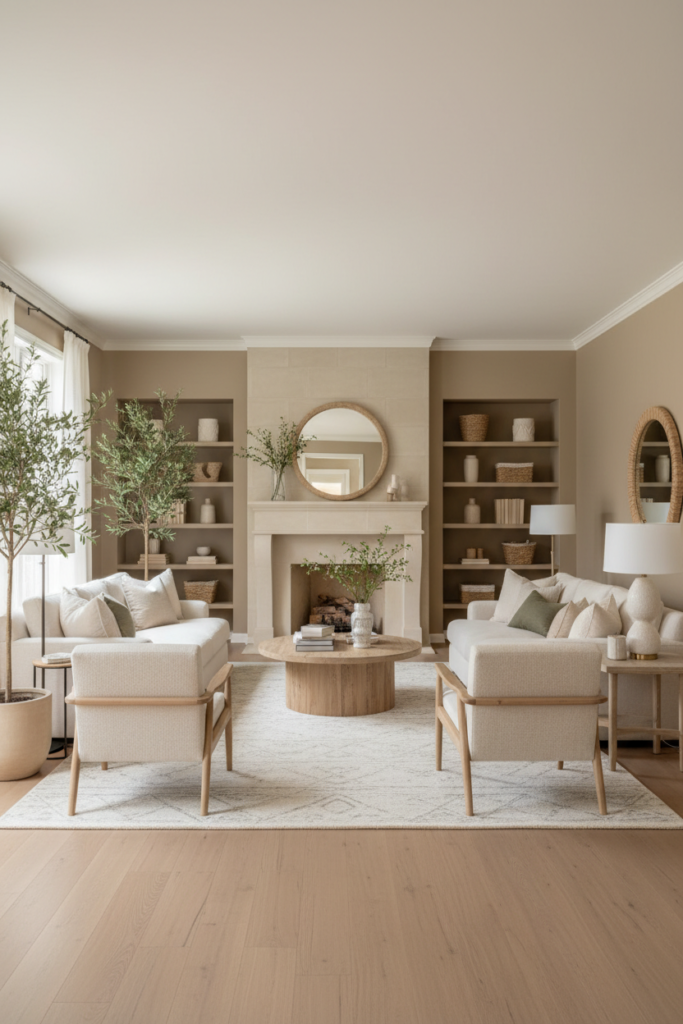
Each adjustment focuses on spacing and balance rather than new purchases.
Common Mistakes
Pushing all furniture against walls
This flattens the room and reduces intimacy.
Blocking windows
Light is essential for a spring refresh.
Leaving too much distance between seating
Conversation zones should feel connected.
Ignoring scale
Oversized coffee tables or tiny rugs disrupt balance.
Overfilling corners
Empty corners can create breathing room.
Pro Tip for a Cozier Look
After adjusting the layout, re-layer softly.
Add one lightweight throw, two balanced pillows, and one small floral arrangement.
Keep decor minimal so the refreshed layout remains the focus.
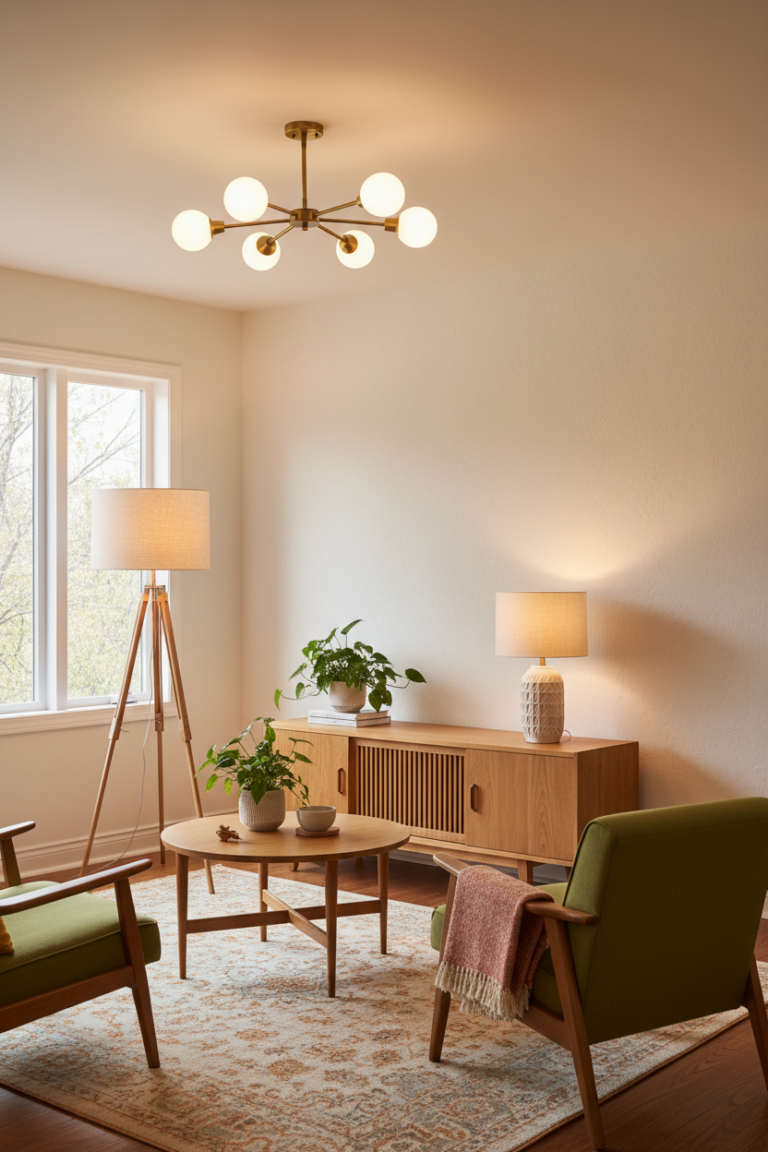
Warm lighting around 2700K in floor or table lamps will enhance the open layout without making it feel sparse.
Layout creates openness. Texture restores warmth.
A Simple Refresh That Changes Everything
You do not need new furniture for a spring living room refresh.
Adjust spacing. Improve flow. Pull pieces inward. Let light lead.
Use the 18-inch coffee table rule, 30-inch walkway clearance, and triangle seating structure.
Small placement changes create a room that feels lighter, brighter, and more functional.
Sometimes a few inches make the biggest difference.

Hi, I’m Livia. A mom who believes that a house becomes a home through the little things.
Over time, I started to understand what truly makes a space feel cozy, comfortable, and safe. Little by little, I transformed my own home into a place where my family and I genuinely love to be, a space that feels calm, warm, and ours.
Here, I share simple ideas and thoughtful inspiration to help you turn your home into your favorite place in the world too.