How to Make a Small Apartment Feel Warm
This post may contain affiliate links, which means we may earn a small commission at no extra cost to you. We may also display third-party ads and include links to partner brands or shops. Some images may be created or enhanced using AI or sourced from licensed platforms. All opinions are our own.
A small apartment can sometimes feel temporary or impersonal.
White walls, compact rooms, and limited natural light can make everything feel a little flat. You may love the location, but the space itself doesn’t yet feel like home.
The good news is that warmth doesn’t come from square footage. It comes from light, texture, layout, and thoughtful details. With a few intentional changes, even the smallest apartment can feel calm, cozy, and deeply inviting.
Here’s how to make it happen.
1. Soften the Floors First
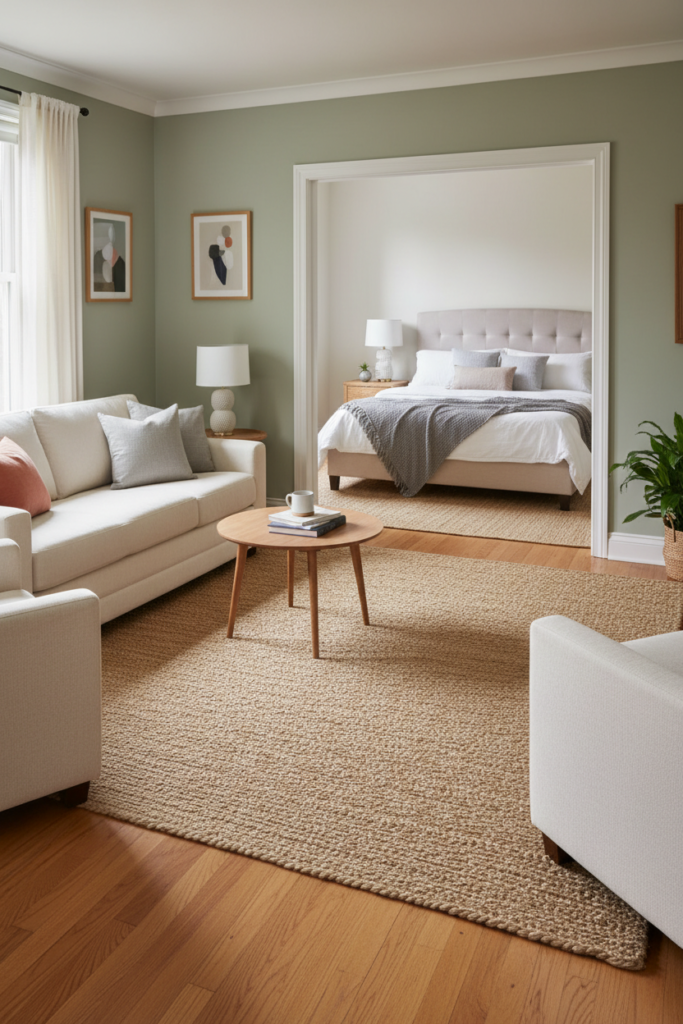
Hard flooring can make a small apartment feel cold and echoey.
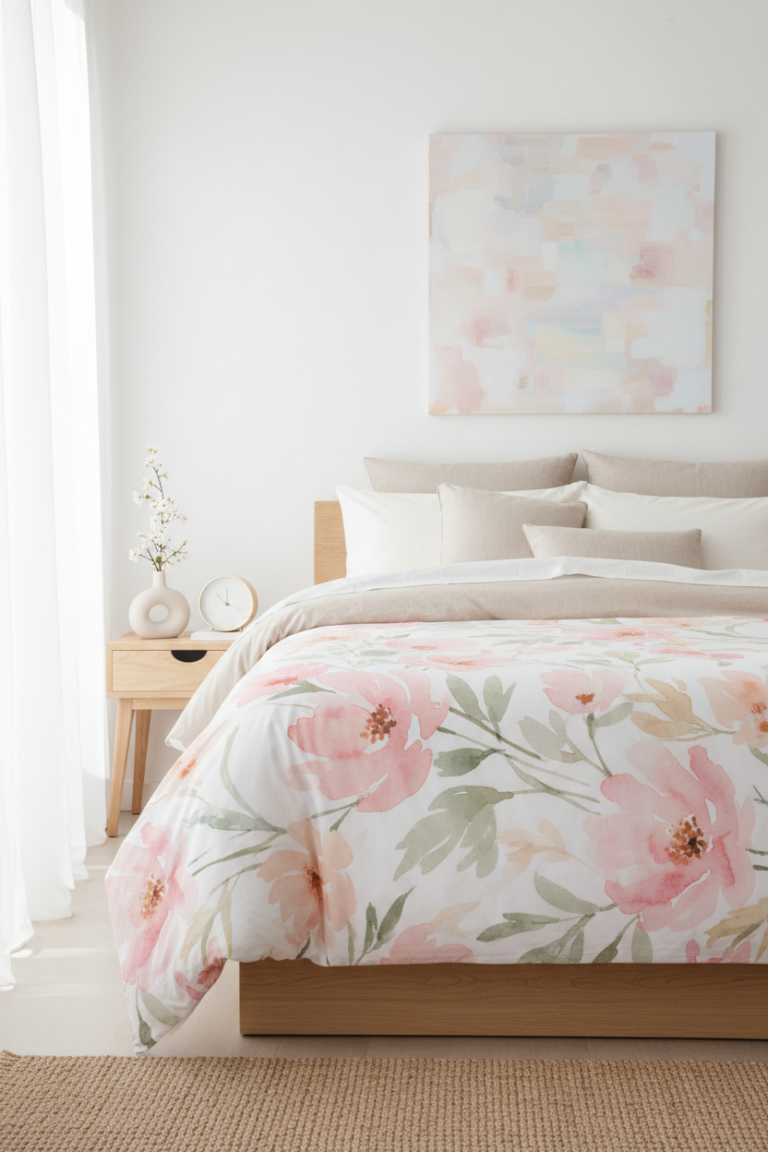
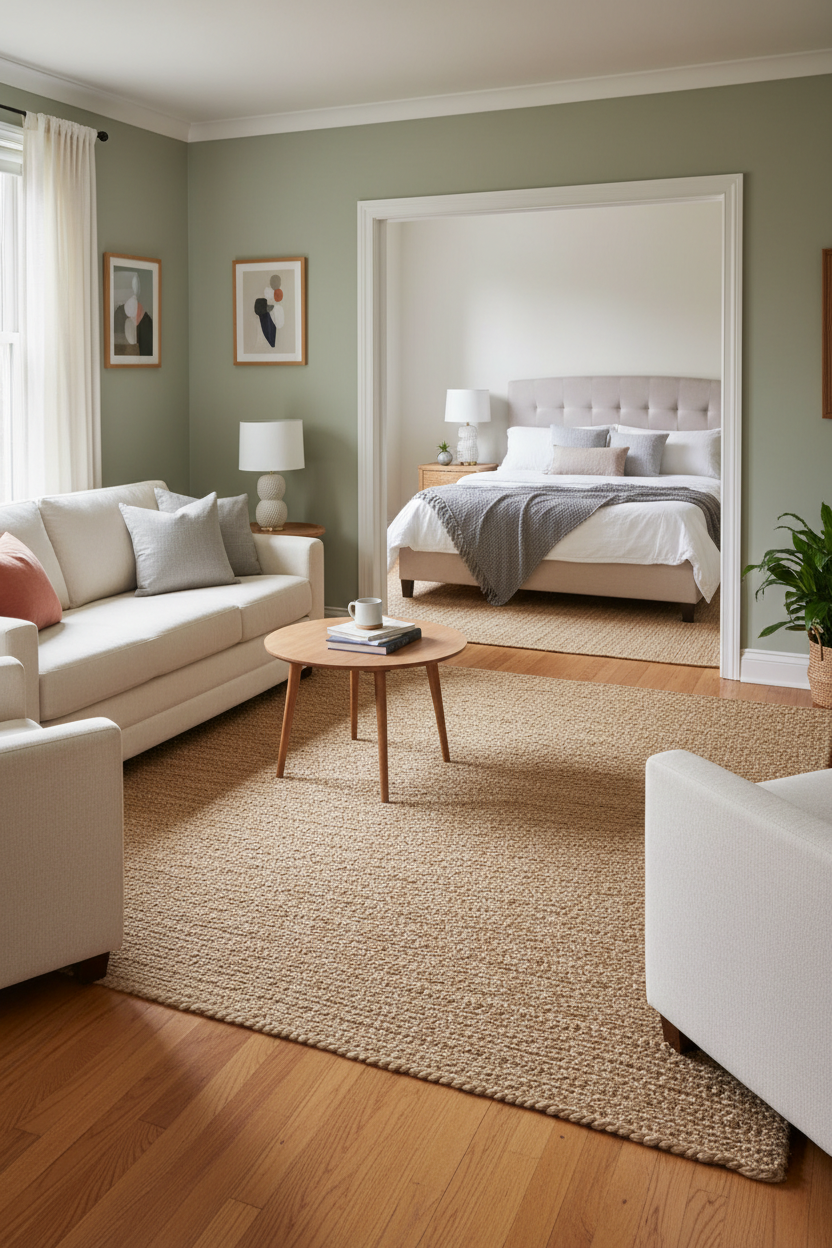
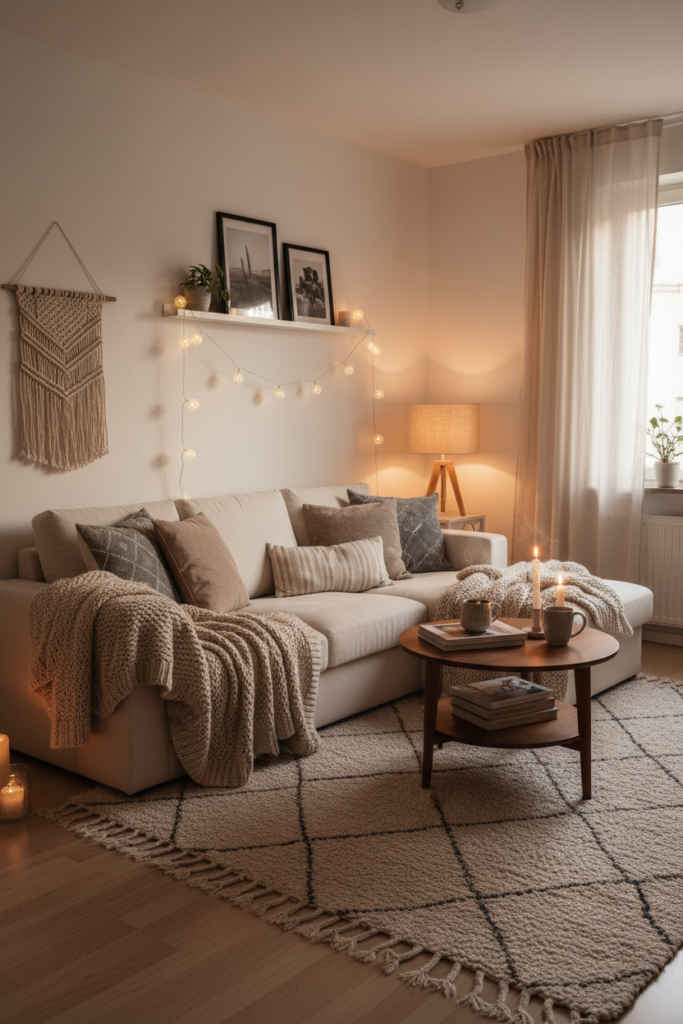
Start by adding rugs in the main areas. In the living room, choose a rug large enough to anchor the sofa and chairs. In the bedroom, let the rug extend beyond the sides of the bed so your feet land on something soft each morning.
Why this works: rugs absorb sound and visually warm up the space. They instantly reduce that hollow feeling many small apartments have.
Choose warm tones like beige, muted rust, or soft gray. Subtle texture works better than bold patterns in small spaces. A woven or low-pile rug adds depth without overwhelming the room.
2. Layer Warm Lighting at Eye Level
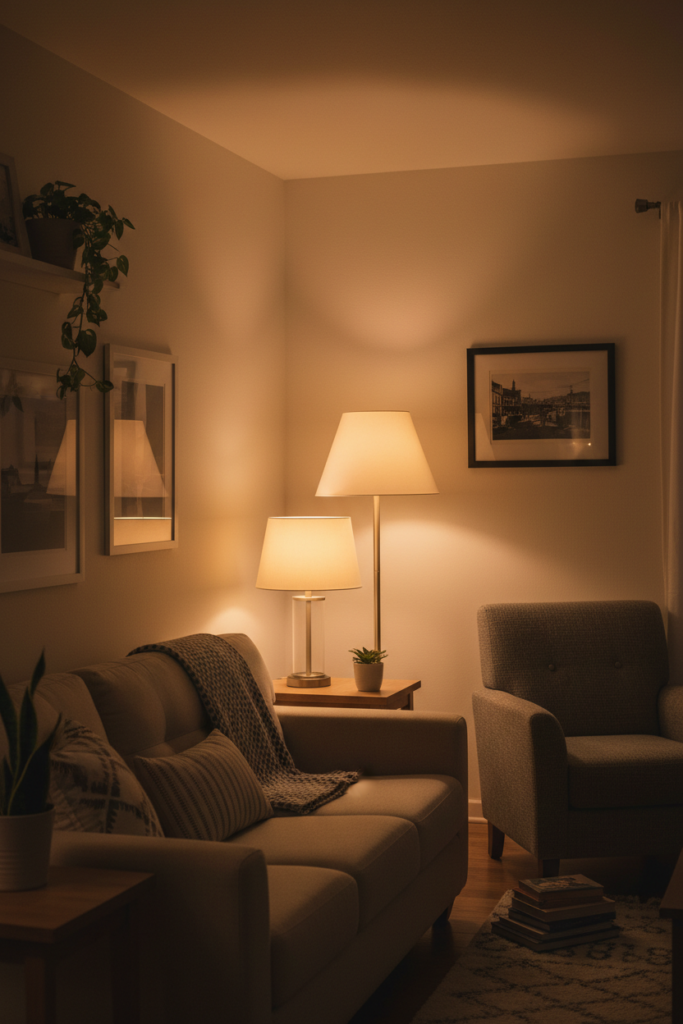
Lighting has a powerful effect on how a space feels.
If your apartment relies on one overhead fixture per room, the light may feel harsh and flat. Instead, turn off the ceiling light in the evening and use table lamps, floor lamps, and small accent lights.
Why this works: layered lighting creates depth and softness. Warm white bulbs cast a gentle glow that makes walls look creamier and furniture feel inviting.
Place a lamp beside the sofa and another near a reading chair. In the bedroom, use bedside lamps instead of bright ceiling lights. Fabric lampshades diffuse light in a way that feels calm and cozy.
3. Choose a Cohesive, Warm Color Palette
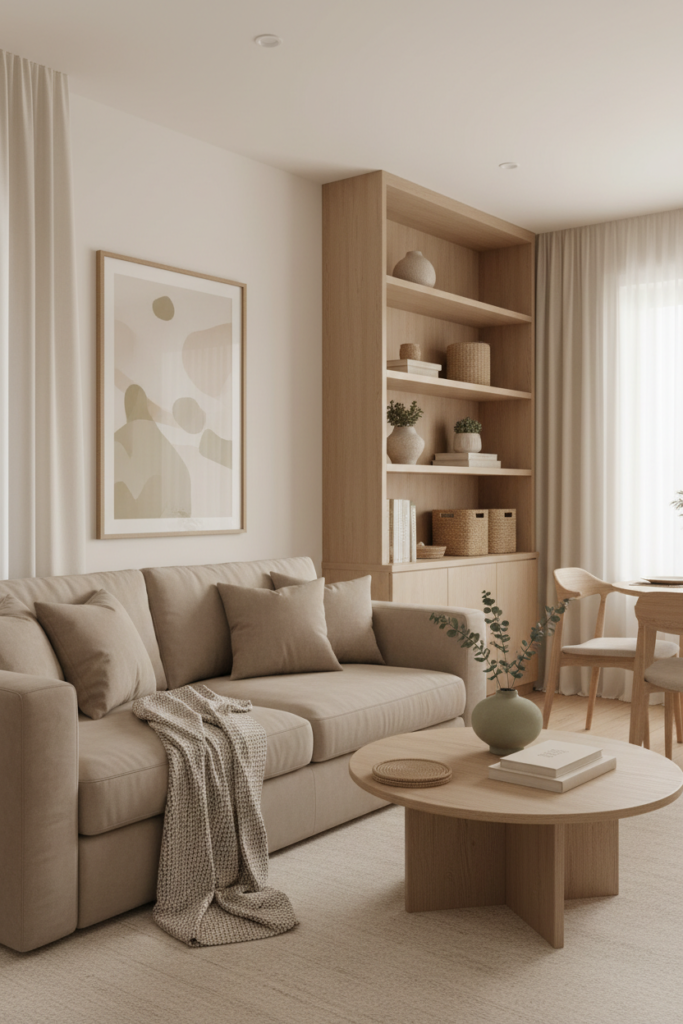
Too many colors can make a small apartment feel busy.
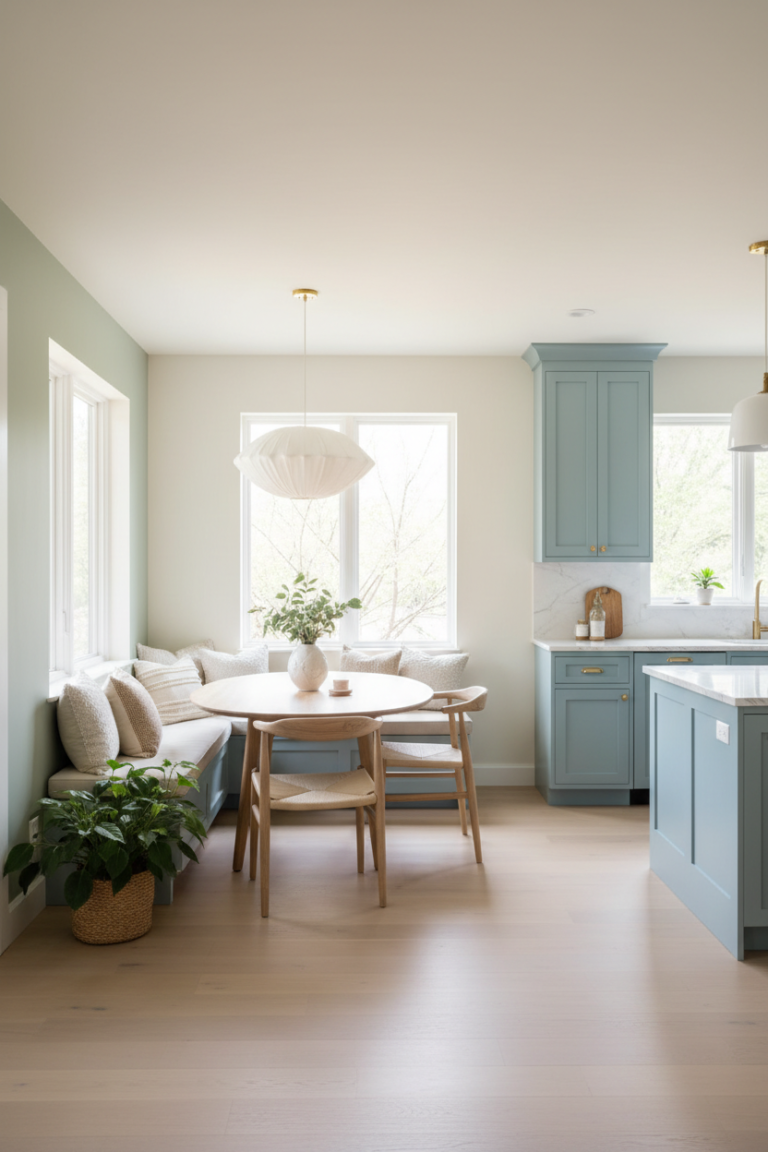
Stick to two or three main tones throughout the space. Warm neutrals like cream, taupe, soft gray, and light wood create a calm base. You can add one accent color like muted green or dusty blue for interest.
Why this works: a cohesive palette allows the eye to move smoothly from room to room. This makes the apartment feel larger and more unified.
Layer slightly different shades of the same color. For example, a beige sofa, cream curtains, and a warm wood coffee table create depth without contrast. The space feels soft and connected.
4. Add Texture Instead of More Furniture
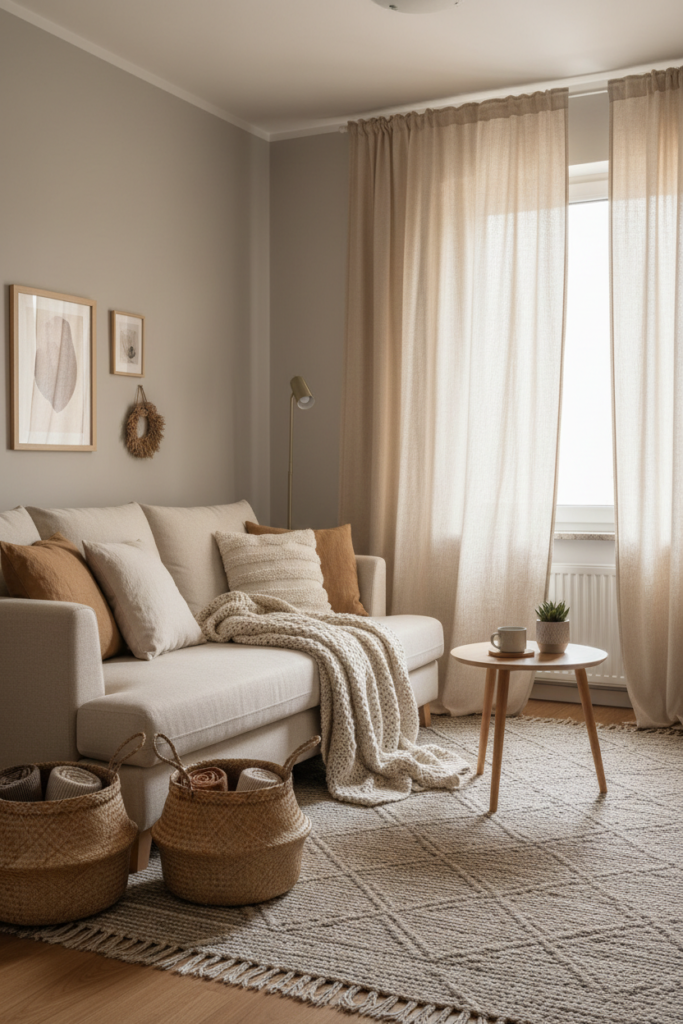
When a small apartment feels empty, it’s tempting to add more pieces.
Instead, focus on texture. Add throw pillows in linen, knit, or boucle. Drape a soft blanket over the sofa. Use woven baskets for storage.
Why this works: texture adds warmth without taking up space. It makes the apartment feel layered and lived in rather than sparse.
Think about how the space feels to the touch. A chunky knit throw on a cool evening. A thick rug under bare feet. Linen curtains moving gently with the breeze. These sensory details create comfort without clutter.
5. Create Defined Zones With Layout
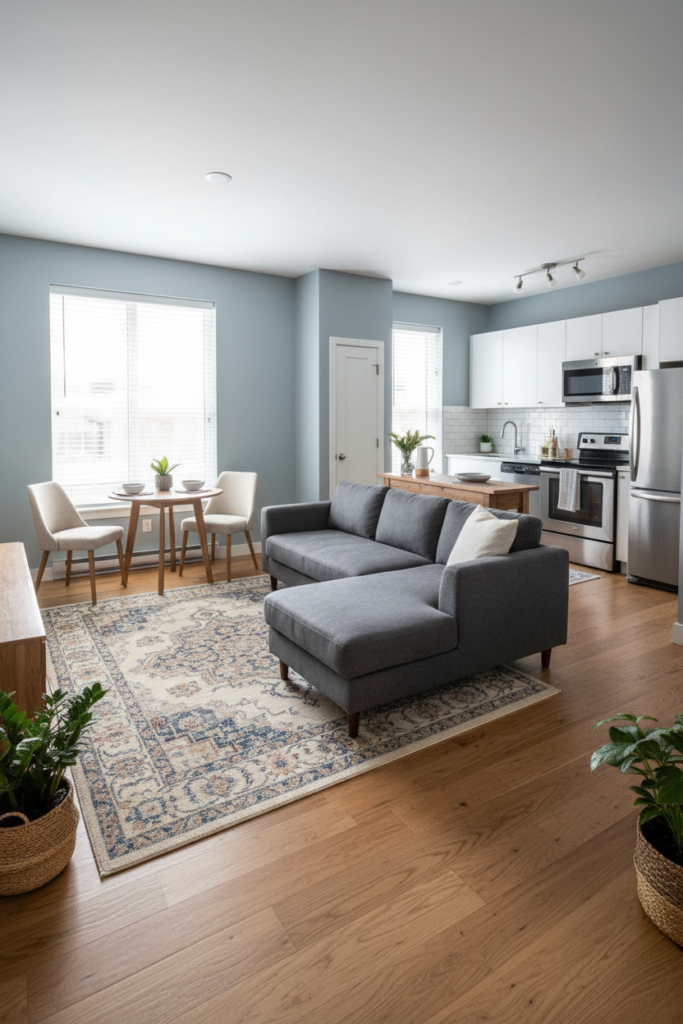
Small apartments often combine living, dining, and workspace areas in one room.
Use rugs and furniture placement to define each zone. Position your sofa to face inward rather than pushing everything against the walls. Add a small dining table near a window to create a clear eating area.
Why this works: defined zones make the space feel intentional rather than cramped. When each area has a purpose, the apartment feels organized and calm.
Keep pathways clear so you can move easily through the space. Even a slim console behind the sofa can subtly separate the living area from the rest of the room.
6. Bring in Natural Elements
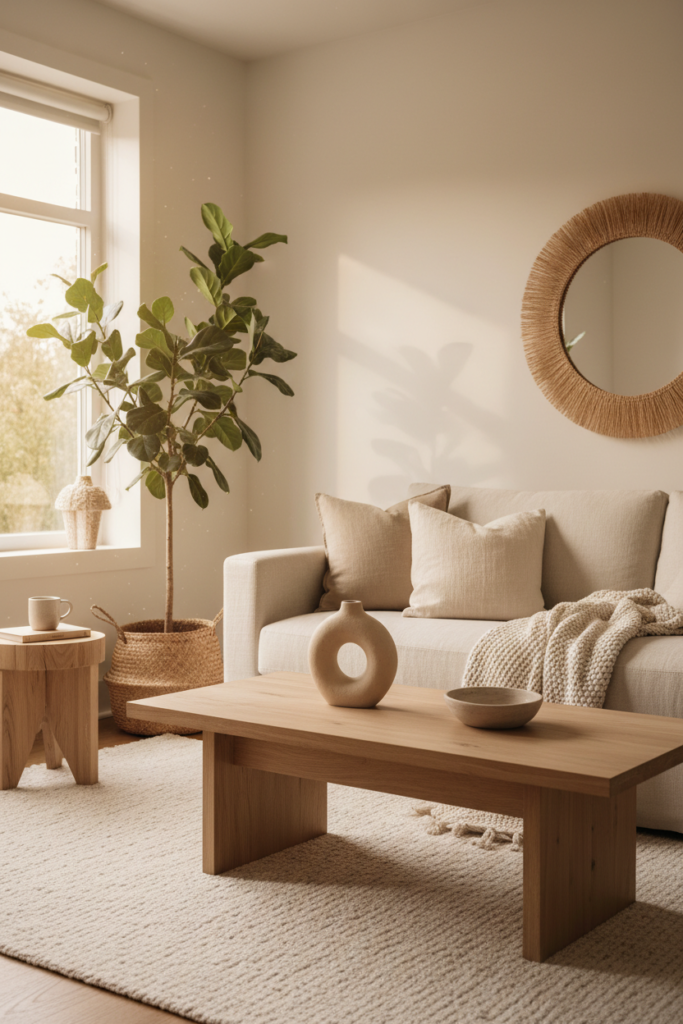
Natural materials add warmth that painted walls cannot.
Choose furniture in light or medium wood tones. Add plants in woven or clay pots. Use ceramic bowls or vases for simple styling.
Why this works: organic textures soften hard edges and make a small apartment feel grounded. They add depth without visual heaviness.
Even a single leafy plant near a window can change the mood of the room. The combination of greenery and warm light creates a sense of life and comfort.
7. Keep Surfaces Calm but Personal
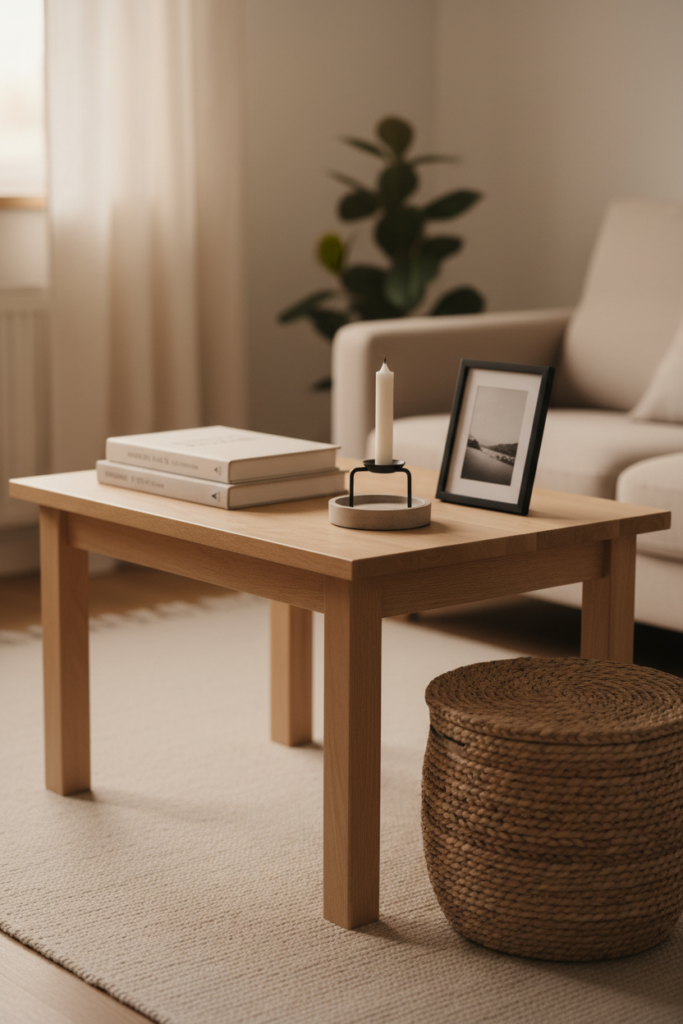
Clutter can quickly make a small apartment feel smaller.
Keep coffee tables and counters mostly clear. Add only a few meaningful items — a stack of books, a candle, a small framed photo.
Why this works: clear surfaces give the eye space to rest. A few curated pieces feel intentional and warm, while too many items feel chaotic.
Use baskets or closed storage to hide everyday clutter. When everything has a place, the apartment feels more peaceful.
8. Add Soft Window Treatments
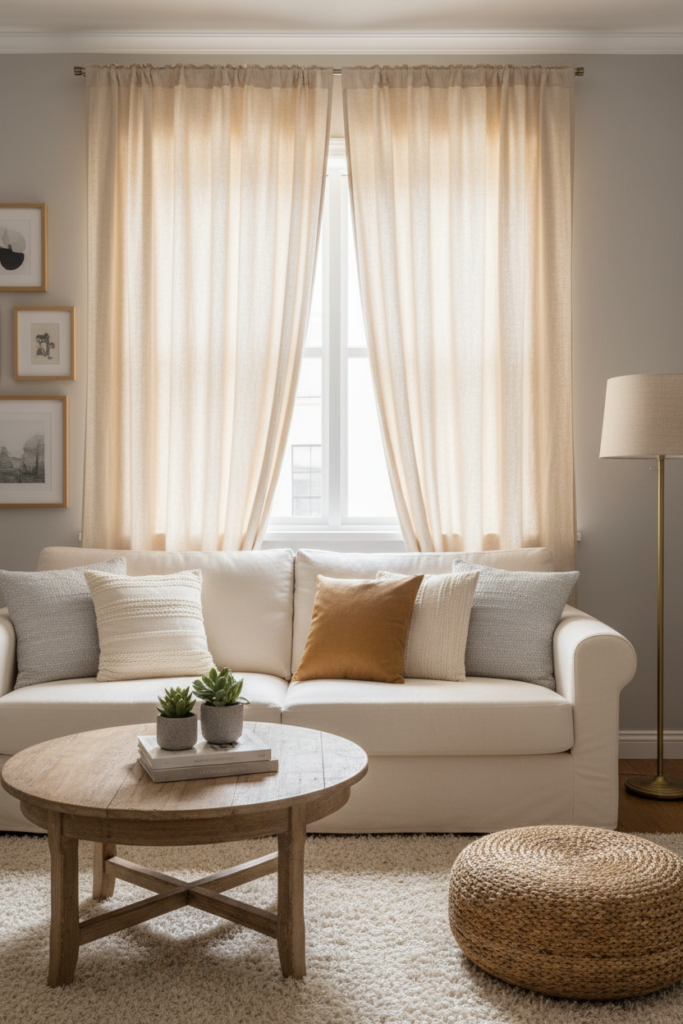
Bare windows can make a small apartment feel unfinished.
Install curtains that extend slightly beyond the window frame. Hang them higher to draw the eye upward and create the illusion of taller ceilings.
Why this works: fabric adds softness and movement. It filters light and prevents the room from feeling stark.
Choose light, breathable fabrics like linen or cotton in warm neutral shades. The filtered daylight makes the entire space feel gentle and inviting.
Common Mistakes to Avoid
Using only overhead lighting
Ceiling lights alone can make a room feel flat. Always layer in lamps at eye level.
Choosing furniture that’s too large
Oversized pieces can overwhelm a small apartment. Look for slim profiles and raised legs to create visual space.
Adding too many small decor items
Many tiny pieces can feel cluttered. Choose fewer, slightly larger accents for a calmer look.
Ignoring scale with rugs
A rug that’s too small can break up the space. Go larger to connect furniture visually.
Overusing dark colors
Deep tones can feel cozy, but balance them with warm lighting and lighter textiles so the apartment doesn’t feel closed in.
A Small Apartment Can Feel Like Home
You don’t need more space to create warmth.
With soft lighting, layered textures, intentional layout, and natural materials, a small apartment can feel calm and welcoming every day. The goal isn’t to fill every corner. It’s to create comfort in the space you already have.
Start with one room. Add one rug. Replace one light bulb with a warmer one. Layer one soft throw.
Small changes can completely shift the atmosphere. And when your apartment feels warm, it begins to feel like home in the truest sense.

Hi, I’m Livia. A mom who believes that a house becomes a home through the little things.
Over time, I started to understand what truly makes a space feel cozy, comfortable, and safe. Little by little, I transformed my own home into a place where my family and I genuinely love to be, a space that feels calm, warm, and ours.
Here, I share simple ideas and thoughtful inspiration to help you turn your home into your favorite place in the world too.