How to Layer Textiles for a Cozy Home
This post may contain affiliate links, which means we may earn a small commission at no extra cost to you. We may also display third-party ads and include links to partner brands or shops. Some images may be created or enhanced using AI or sourced from licensed platforms. All opinions are our own.
If your home feels flat or unfinished, the problem may not be the furniture.
Often, it’s the lack of layered textiles. A sofa without pillows feels bare. A bedroom without layered bedding feels cold. A living room without a rug can feel echoey and disconnected.
Textiles are what make a home feel soft, warm, and lived in. When layered thoughtfully, they add depth, comfort, and quiet beauty without cluttering the space.
Here’s how to layer textiles in a way that feels cozy, balanced, and natural.
1. Start With a Grounding Base Layer
Every cozy room begins from the ground up.
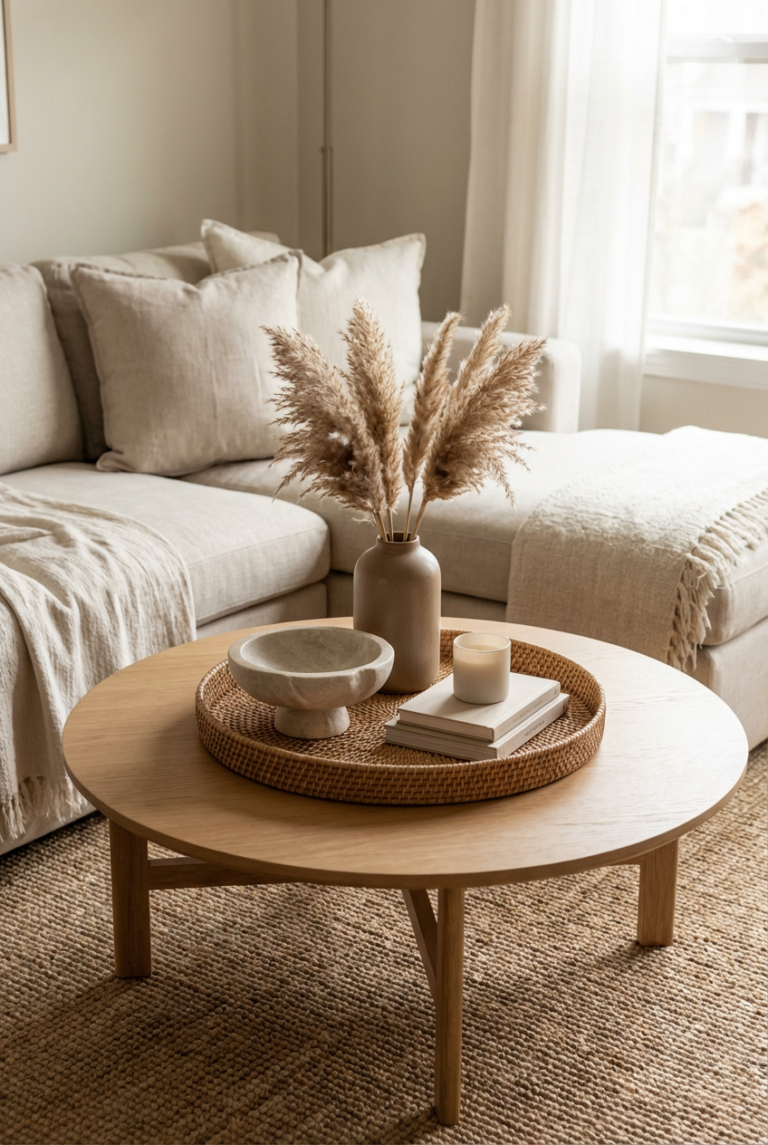
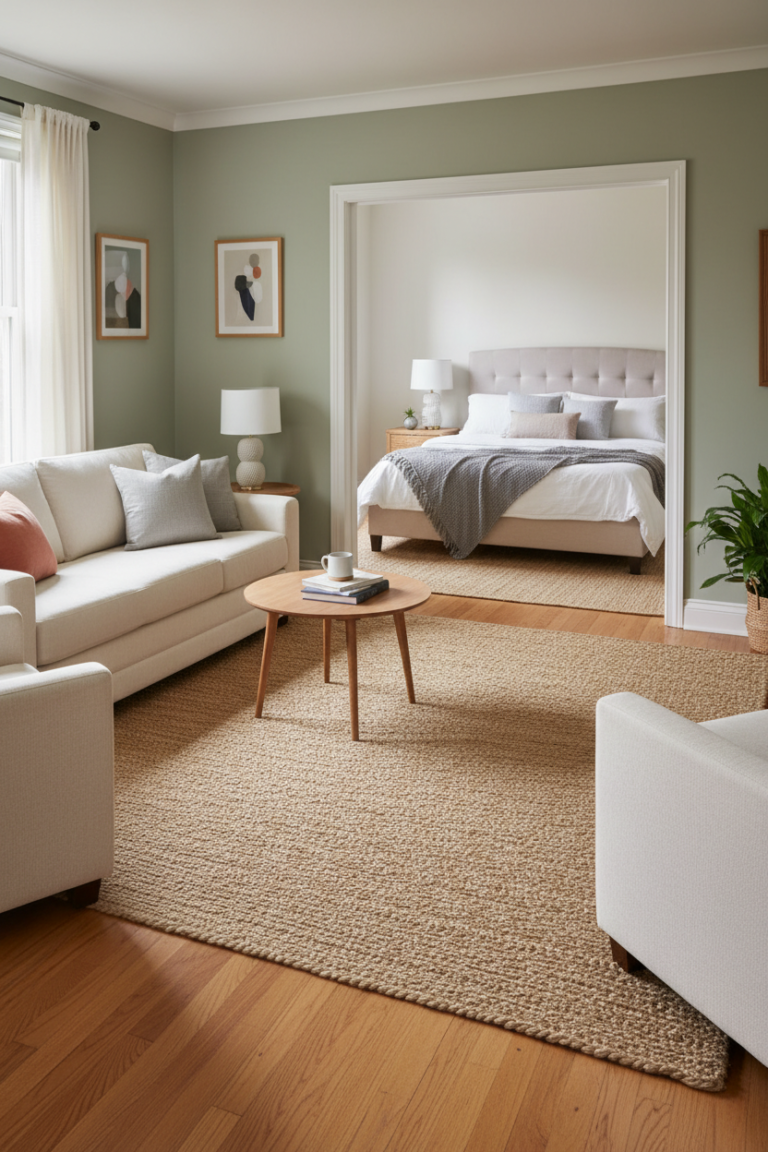
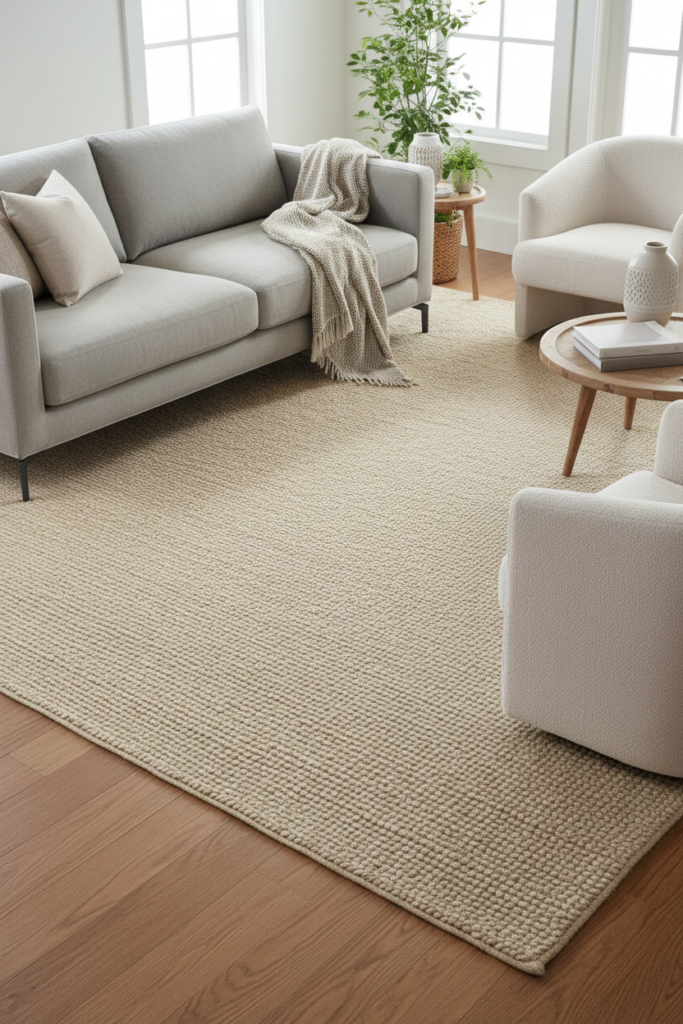
Start with a rug that anchors the space. Choose one large enough to connect your main furniture pieces. In a living room, at least the front legs of the sofa and chairs should sit on it.
Why this works: a rug visually pulls the room together and softens hard flooring. It absorbs sound and adds immediate warmth underfoot.
Look for subtle texture rather than bold patterns if your space is small. A low-pile woven rug in warm beige, soft gray, or muted brown creates a calm base. In colder seasons, layer a smaller textured rug on top for extra warmth and dimension.
2. Build Depth With Layered Bedding
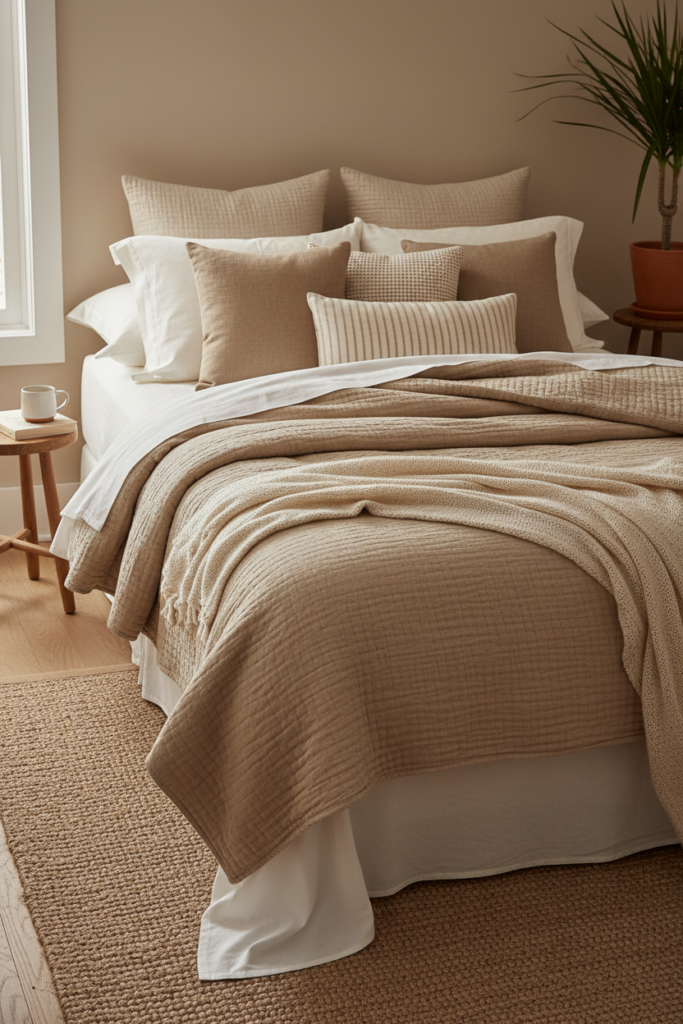
In the bedroom, textiles are everything.
Start with crisp sheets in cotton or linen. Add a quilt or coverlet as your middle layer. Finish with a duvet or comforter for softness and volume.
Why this works: layering bedding creates visual richness and real comfort. It makes the bed look inviting while giving you flexibility for temperature.
Choose colors within the same family to keep it cohesive. For example, creamy white sheets, a sand-colored quilt, and a slightly darker beige duvet create depth without contrast. Fold the top layer back slightly so each layer is visible.
3. Mix Textures, Not Just Colors
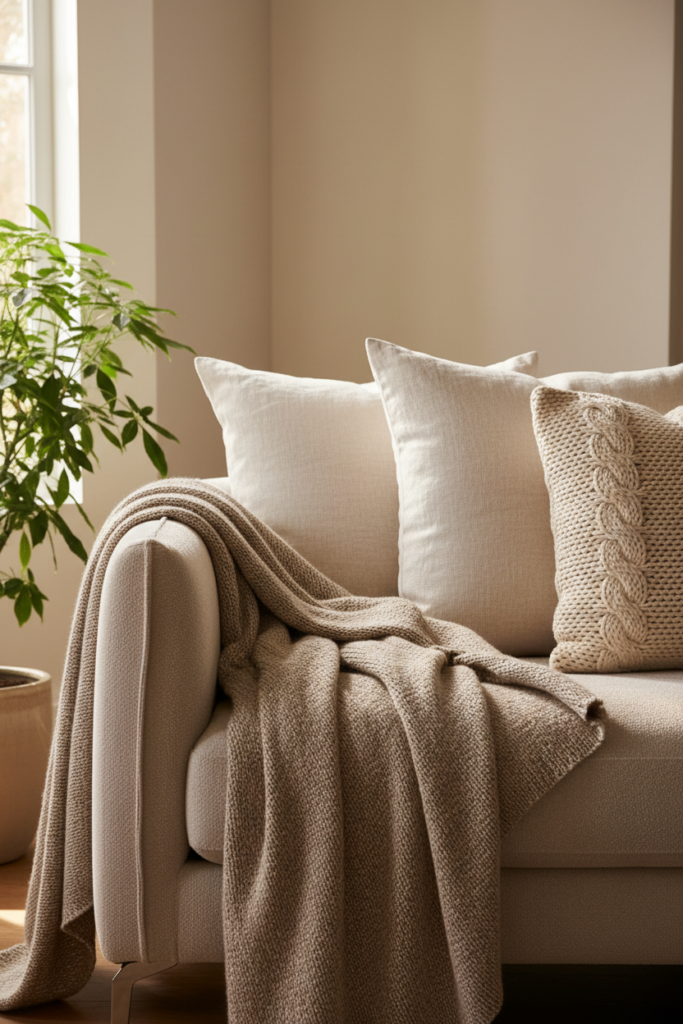
Texture is what makes layering feel intentional.
Instead of adding more colors, combine different materials. Pair linen with knit. Mix velvet with cotton. Add woven elements beside smooth ones.
Why this works: texture catches light differently. A chunky knit throw looks soft and dimensional against a smooth sofa. A boucle pillow adds subtle interest even in a neutral palette.
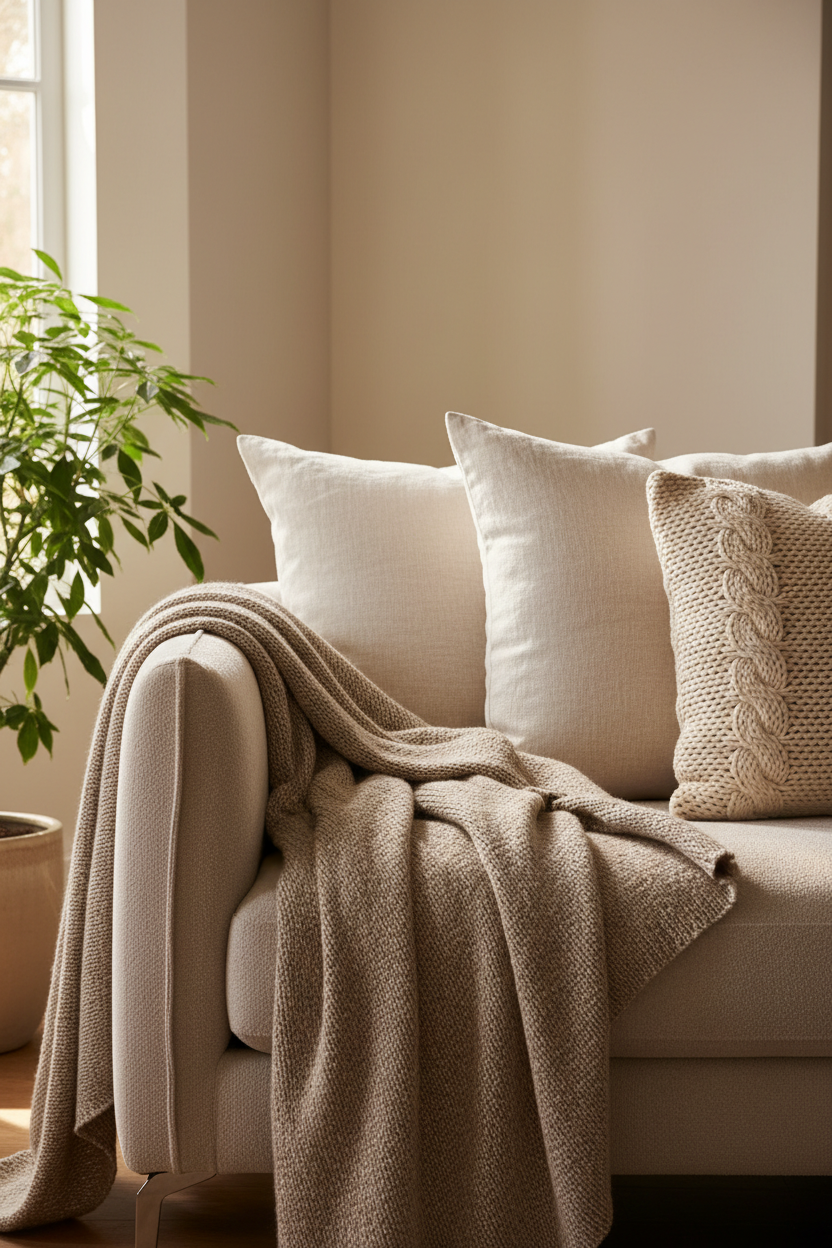
On a sofa, try two linen pillows, one textured knit pillow, and a soft throw draped loosely over the arm. The room feels layered without being busy.
4. Layer Curtains for Softness and Height
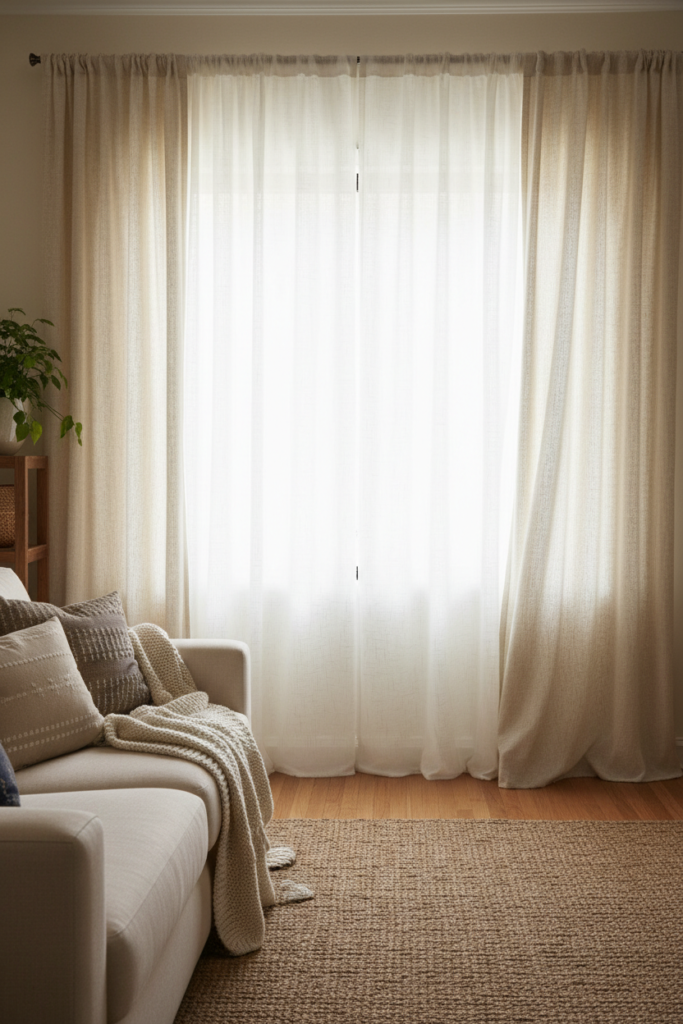
Windows are often overlooked when layering textiles.
Start with sheer curtains to filter daylight. Add heavier drapes on the sides for warmth and privacy.
Why this works: layered curtains create softness and movement. Sheers allow natural light to glow gently through the fabric, while thicker panels frame the window and add depth.
Hang curtains slightly higher than the window frame to create the illusion of height. Choose fabrics in warm neutrals like oat, cream, or soft gray to keep the space calm.
5. Add Throws With Intention
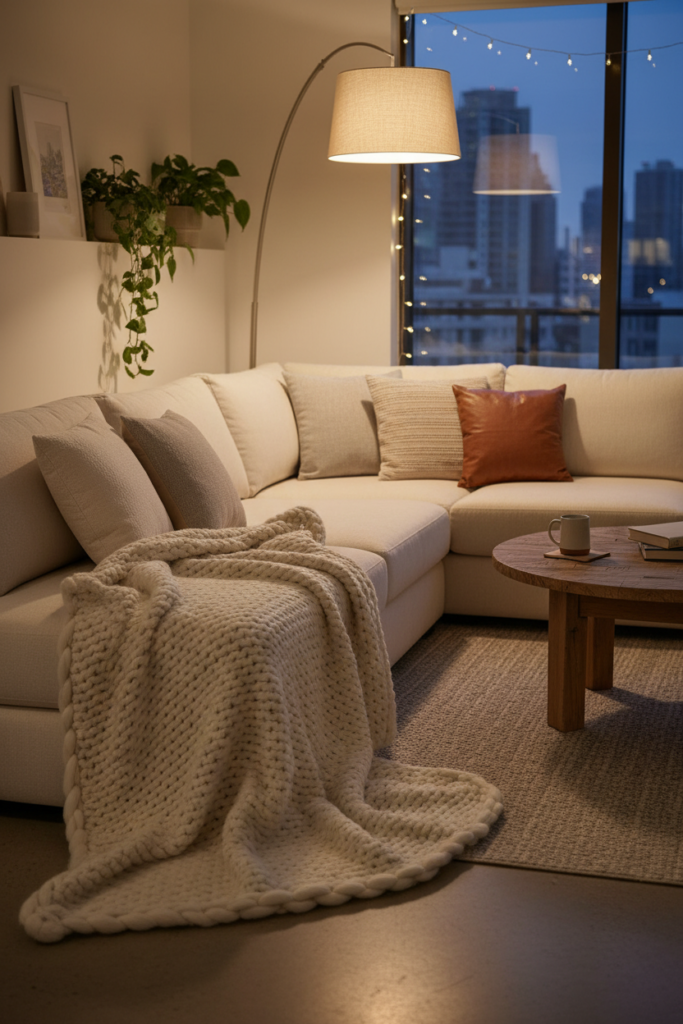
Throws are one of the easiest ways to layer textiles.
Drape a knit blanket over the corner of a sofa or fold it neatly at the end of a bed. Avoid placing too many throws in one room.
Why this works: a single throw adds warmth and signals comfort. It invites you to sit down and relax.
Choose throws that feel soft to the touch. Cotton for light layering. Chunky knit for winter. Wool blends for texture. Let one edge fall naturally rather than folding it too precisely.
6. Layer Pillows Thoughtfully
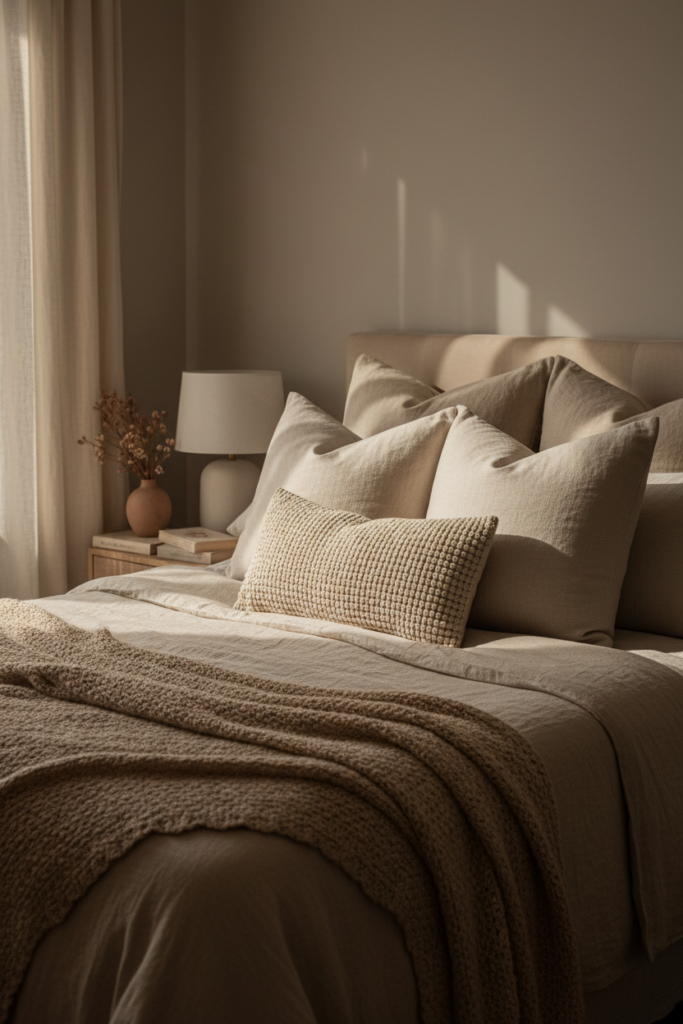
Pillows can quickly elevate a space when used correctly.
Start with larger neutral pillows at the back. Layer smaller or more textured ones in front. Stick to two or three tones for a cohesive look.
Why this works: layering pillows creates depth and comfort. It makes furniture feel softer and more welcoming.
In a bedroom, try two large sleeping pillows, two medium decorative pillows, and one smaller accent pillow in a contrasting texture. In a living room, vary shapes slightly but keep the color palette consistent.
7. Use Textiles Beyond the Sofa and Bed
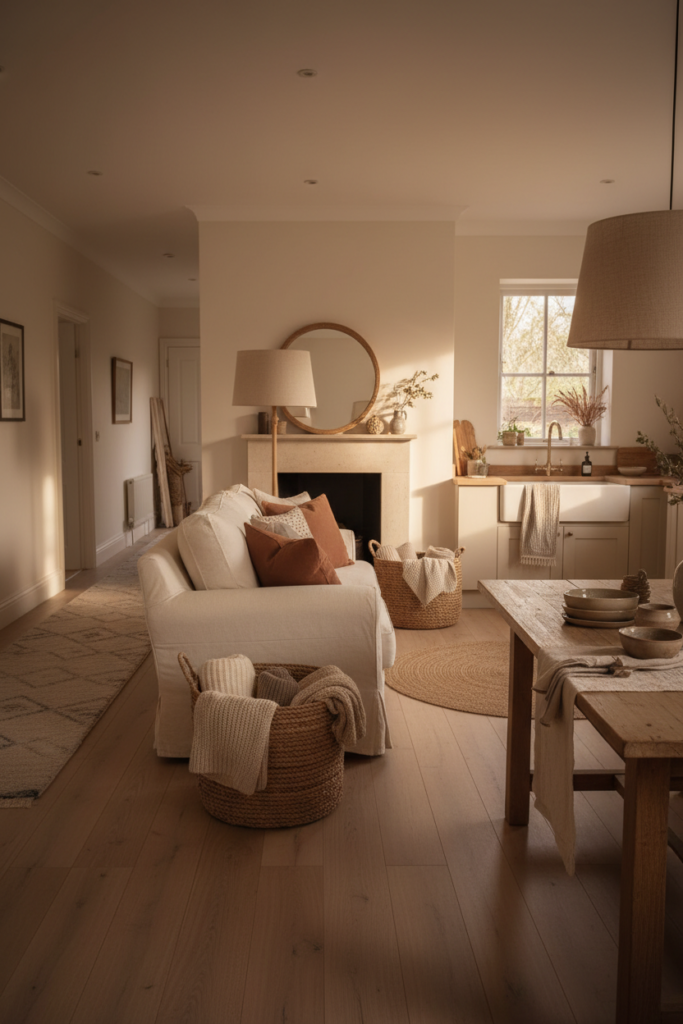
Layering doesn’t stop at major furniture.
Add a soft runner in the hallway. Place a small rug in the kitchen near the sink. Use fabric lampshades instead of metal ones for a warmer glow.
Why this works: textiles soften transitions between spaces. They create a consistent feeling of comfort throughout the home.
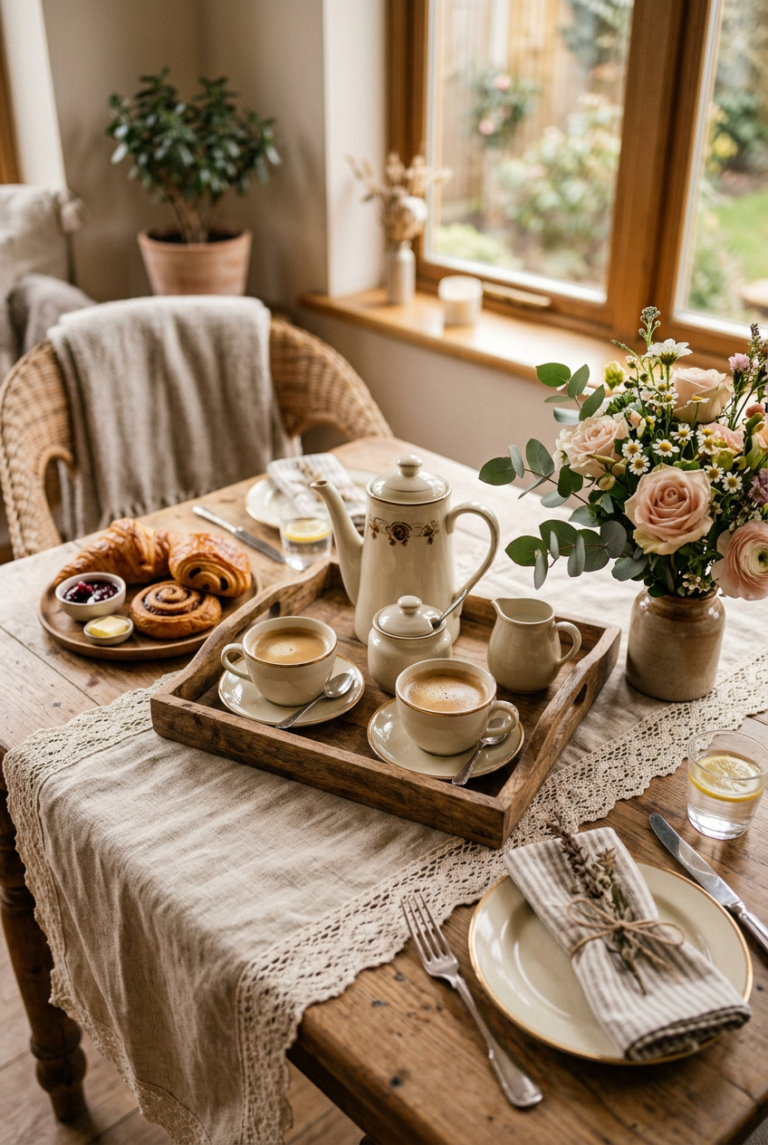
Even a fabric table runner on a dining table can add quiet warmth. A woven basket holding extra blankets adds both storage and texture.
8. Keep the Color Palette Warm and Cohesive
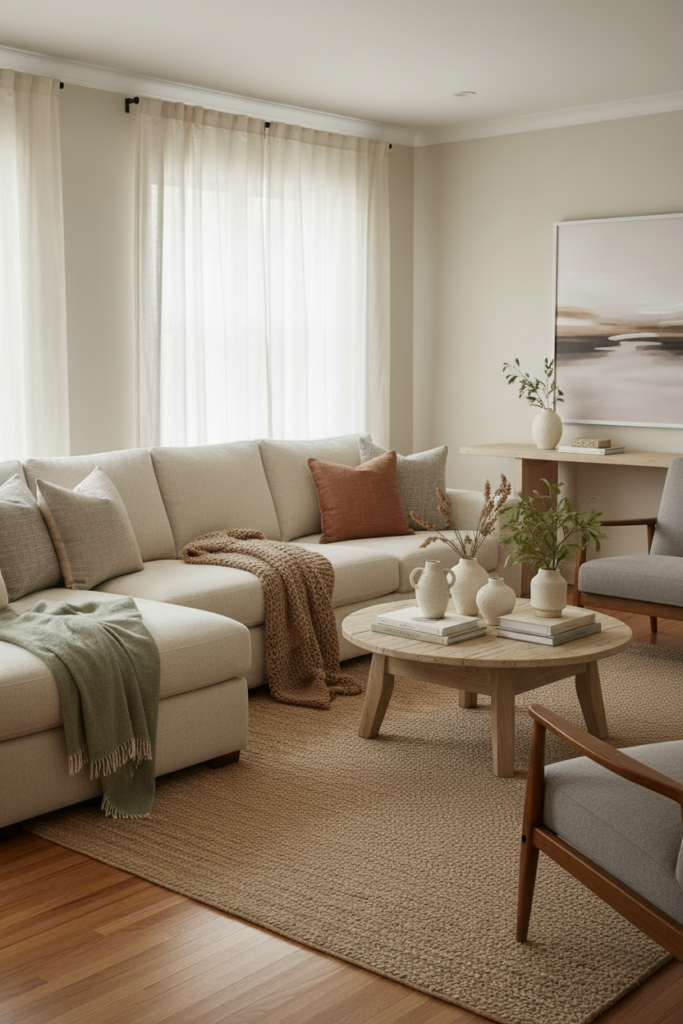
Too many colors can make layering feel chaotic.
Stick to a base of warm neutrals and introduce one or two accent tones. Think cream, warm gray, soft brown, and muted green.
Why this works: a cohesive palette allows texture to stand out. The room feels calm rather than cluttered.
If you love color, introduce it subtly through pillows or throws rather than large pieces. A rust-toned cushion against a neutral sofa adds warmth without overwhelming the space.
Common Mistakes to Avoid
Using too many small textiles
Too many tiny pillows or rugs can make a space feel busy. Choose fewer, larger pieces for a calmer look.
Ignoring scale
A rug that is too small or pillows that are too tiny can make furniture look oversized. Match textiles to the scale of the room.
Mixing too many patterns
Patterns can work beautifully, but limit them to one or two subtle designs. Let texture be the main focus.
Forgetting about comfort
Layering should feel good, not just look good. Choose fabrics that feel soft and inviting to the touch.
Overmatching everything
Perfectly matched sets can feel flat. Slight variation in tone and texture creates a more natural look.
A Home That Feels Soft and Inviting
Layering textiles is less about decorating and more about creating comfort.
When rugs soften the floor, curtains filter light, and throws add warmth, your home begins to feel welcoming in a deeper way. It feels calm when you walk in. It feels restful at night.
You don’t need to buy everything at once. Start with one room and one layer at a time.
Small changes in texture and fabric can completely transform how your space feels. And when your home feels soft and warm, it becomes a place you truly want to linger.

Hi, I’m Livia. A mom who believes that a house becomes a home through the little things.
Over time, I started to understand what truly makes a space feel cozy, comfortable, and safe. Little by little, I transformed my own home into a place where my family and I genuinely love to be, a space that feels calm, warm, and ours.
Here, I share simple ideas and thoughtful inspiration to help you turn your home into your favorite place in the world too.