
How to make a living room feel cozy without buying new furniture
This post may contain affiliate links, which means we may earn a small commission at no extra cost to you. We may also display third-party ads and include links to partner brands or shops. Some images may be created or enhanced using AI or sourced from licensed platforms. All opinions are our own.
A cozy living room is not defined by new furniture or a perfectly styled space. More often, it is defined by how the room feels when the day slows down. Comfort comes from intention, not from spending.
Many living rooms already have everything they need to feel warm and inviting. The difference lies in how the space is used, especially in the evening, when the atmosphere matters most. By shifting focus from what to buy to how to experience the room, it becomes easier to create a sense of calm and belonging.
Making a living room feel cozy without buying new furniture is about working with what you already have and allowing the space to support rest, connection, and quiet moments.
1. Rethink How the Room Is Used at Night
The way a living room feels often changes after sunset. What works during the day may not feel comfortable in the evening, when the goal is to relax rather than stay active.
Instead of viewing the living room as a fixed setup, it helps to think of it as a flexible space. A sofa does not need to face the television all the time, and a chair does not have to stay against the wall. Small shifts in how furniture is oriented can make the room feel more intimate and inviting at night.
Consider how you actually use the space in the evening. Do you read, talk, unwind, or simply sit quietly? Arranging the room to support those moments, even temporarily, can completely change its atmosphere.
When a living room is arranged around comfort rather than function alone, it naturally begins to feel cozier, without adding or replacing a single piece of furniture.

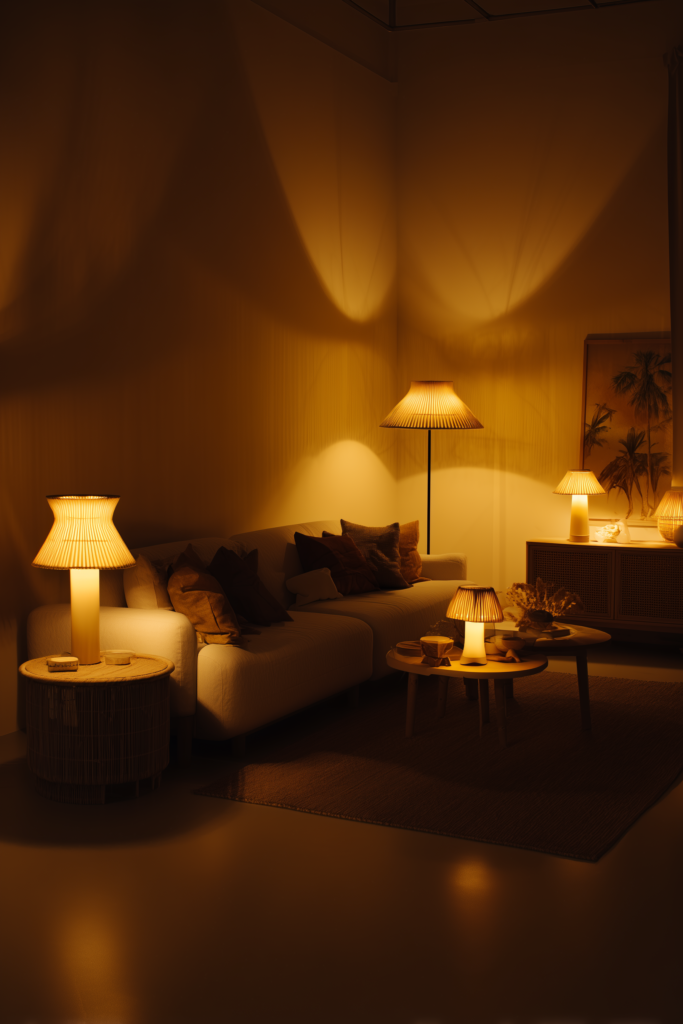
2. Turn Off the Overhead Light and Let the Room Soften

One of the fastest ways to change how a living room feels is simply by turning off the main light. Overhead lighting tends to flatten the space and create a sense of exposure, which is the opposite of cozy.
In the evening, softer light allows the room to relax. Lamps, wall lights, or even light coming from another room can create a gentle glow that feels more intimate. Shadows become part of the atmosphere, helping the space feel calmer and more enclosed.
You do not need additional lighting to achieve this effect. Using the lights you already have in a more intentional way is often enough. Lower light levels naturally slow the body down and signal that it is time to unwind.
When the lighting softens, the entire living room shifts from a functional space into one that feels warm and inviting.
3. Edit the Room Before Adding Anything
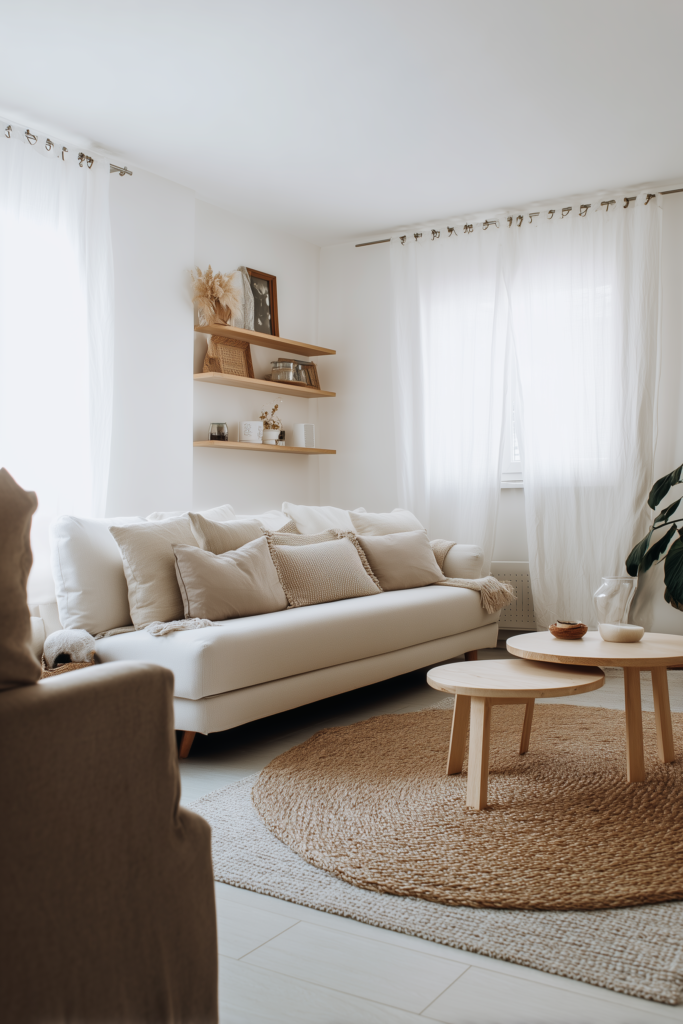
Before trying to make a space feel cozier, it helps to remove what does not belong. Cozy is often the result of subtraction rather than addition.
Too many objects competing for attention can make a living room feel visually noisy and restless. Clearing surfaces, shelves, and corners allows the room to breathe. Even temporarily removing a few items can instantly change the mood of the space.
This does not mean creating an empty or cold environment. It means choosing what stays visible with intention. When fewer items are on display, the pieces that remain feel more meaningful and grounding.
By editing the room first, you create a calm foundation. From there, the living room can feel cozy and balanced without bringing in anything new.
4. Layer What You Already Own

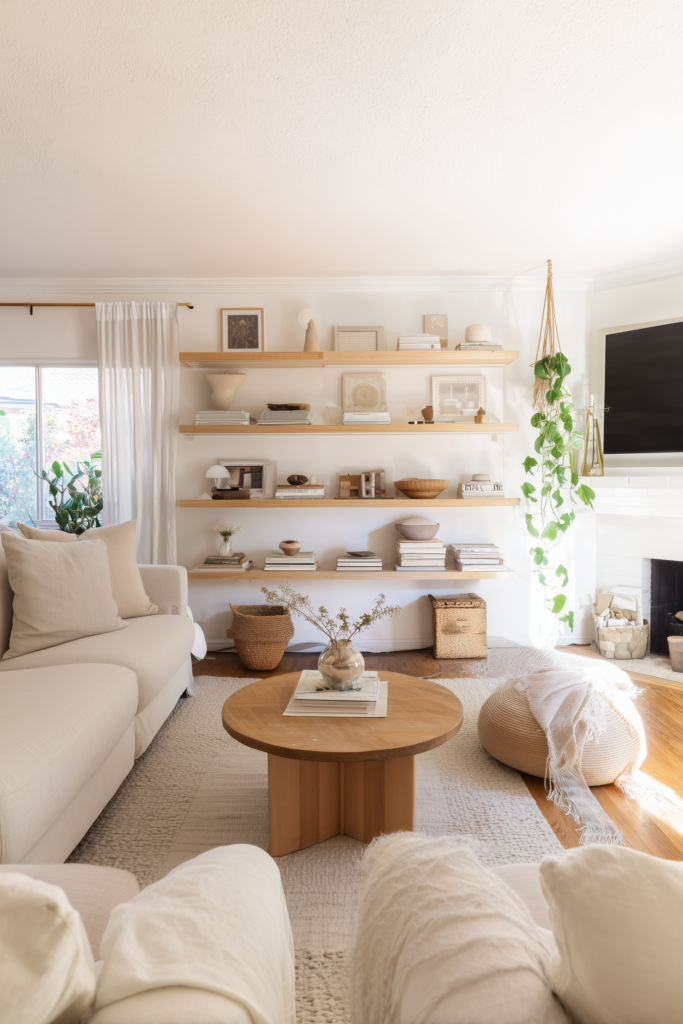
Cozy living rooms often feel rich and warm because of layers, not because of expensive furniture. The good news is that layering rarely requires buying anything new.
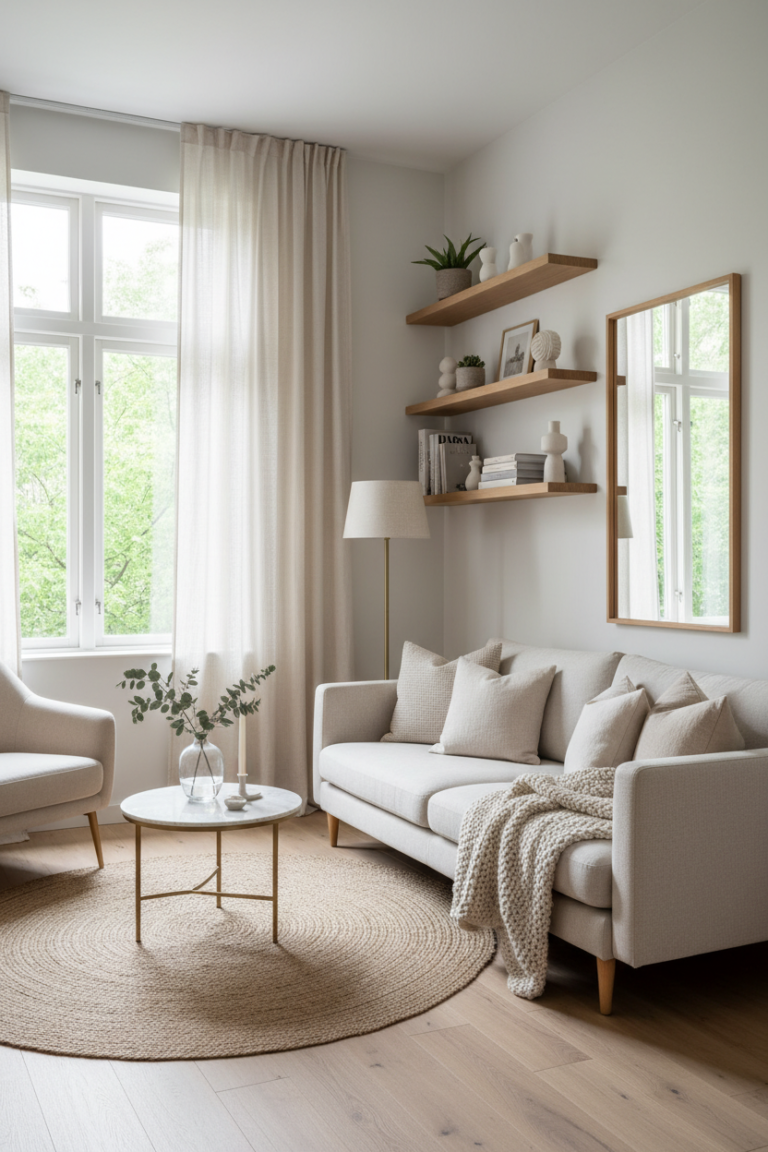
Look around your home and gather soft items you already have. Throws, extra blankets, pillows, or even scarves can be brought into the living room in the evening. Draping a blanket over the sofa or folding one within easy reach adds warmth both visually and physically.
You can also borrow from other rooms. A pillow from the bedroom or a lightweight throw from a chair elsewhere can instantly change the feeling of the space. These small shifts add depth and softness without making the room feel crowded.
Layering with intention helps the living room feel more inviting and lived-in, especially when the goal is comfort rather than perfection.
5. Bring Everyday Objects Closer to Where You Sit

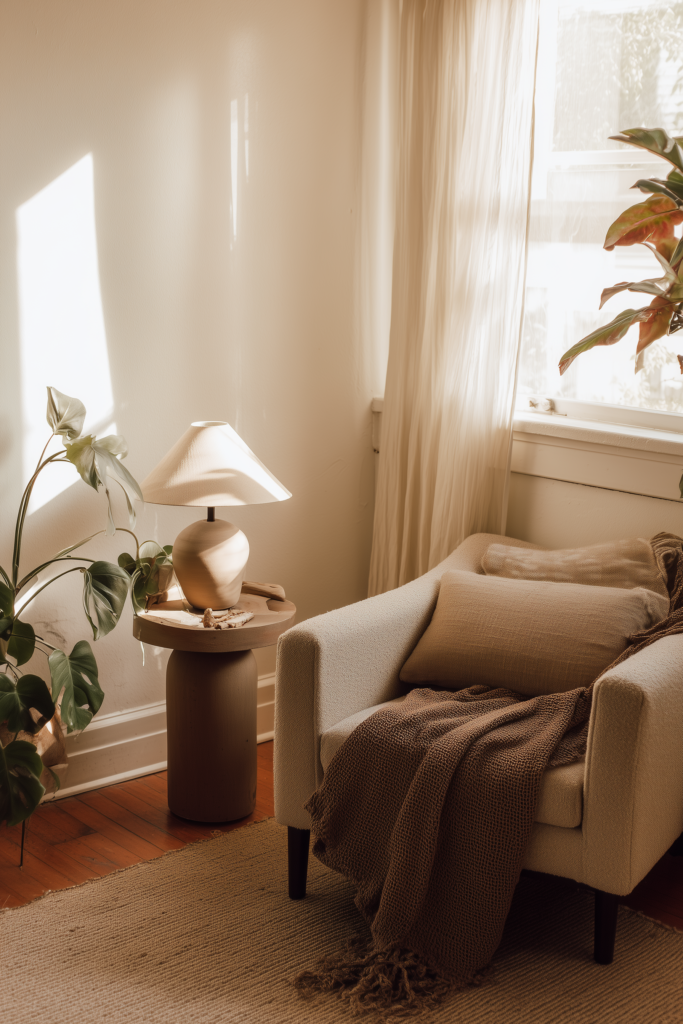
A cozy living room feels easy to use. When everyday objects are within reach, the space naturally becomes more comfortable and welcoming.
Think about the items you reach for in the evening. A book, a mug, a candle, or a small tray can turn a seating area into a place where you want to linger. Instead of keeping these objects stored away, allow them to live near where you relax.
This approach is less about styling and more about supporting real life. When the room reflects how it is actually used, it feels warmer and more personal.
By bringing functional objects closer to where you sit, the living room becomes a space designed for presence and rest, not just for appearance.
6. Use Scent and Sound to Change the Mood

A living room does not become cozy only through what you see. The atmosphere is deeply influenced by scent and sound, especially in the evening.
Soft, familiar scents can instantly make a space feel warmer and more comforting. A candle, a subtle diffuser, or even the natural scent of wood or clean fabrics helps signal that the day is slowing down. Comforting fragrances like vanilla, amber, sandalwood, or soft florals tend to feel especially grounding at night.
Sound also plays a quiet but important role. Lowering background noise, turning off unnecessary screens, or adding soft music can completely change how the room feels. Even intentional silence can feel cozy when the space is calm and uncluttered.
When scent and sound work together, the living room becomes more than a visual space. It turns into an experience that invites you to stay, rest, and unwind.

7. Create One Intentional Cozy Spot
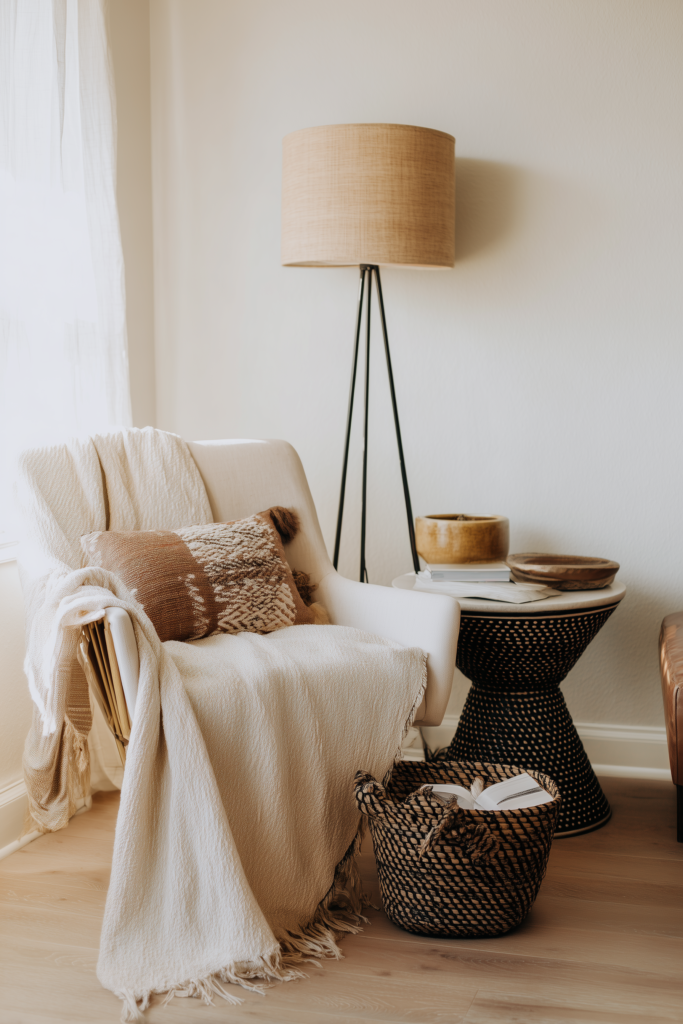
You do not need to transform the entire living room to make it feel cozy. Sometimes, focusing on just one intentional spot is enough to change how the whole space is perceived.
Choose a place where you naturally like to sit. It could be one end of the sofa, a favorite chair, or a small corner near a window. Make this spot especially comfortable by adding softness, warm light, and items you enjoy using in the evening.
When one area feels inviting, the rest of the room begins to feel calmer by association. This cozy spot becomes a visual anchor and a place you naturally gravitate toward at the end of the day.
By creating just one well-considered corner, the living room starts to feel warmer and more welcoming without any major changes.
8. Let Imperfection Make the Room Feel Lived-In

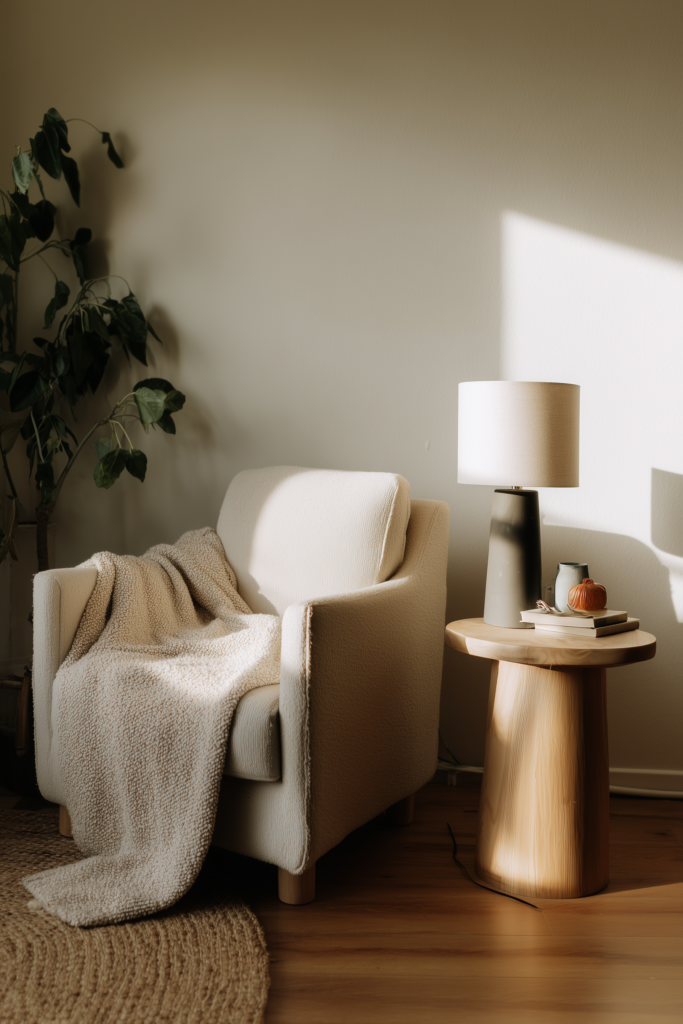
A cozy living room does not feel staged. It feels real, relaxed, and slightly imperfect.
Perfectly arranged pillows, untouched surfaces, and overly styled shelves can make a space feel distant rather than inviting. Allowing small signs of everyday life, like a folded blanket, an open book, or a cup resting on a tray, brings warmth and authenticity to the room.
Cozy spaces welcome presence, not perfection. When the living room reflects how it is actually used, it becomes a place where you can fully unwind without feeling the need to keep everything in order.
Letting go of strict rules allows the room to feel softer, calmer, and more comforting.
Cozy Living Room Checklist
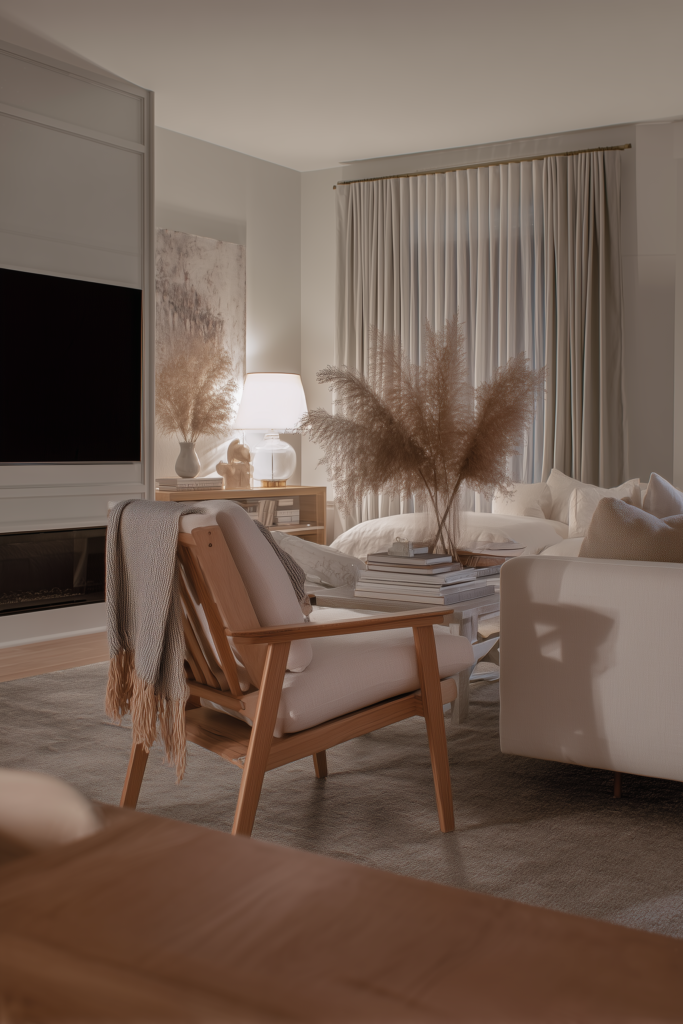
Use this checklist as a gentle reminder of the small shifts that make a living room feel warmer and more inviting, without buying new furniture.
- Rethink how the living room is used in the evening and arrange the space around rest and connection
- Turn off overhead lighting and rely on softer, indirect light already available in your home
- Remove visual clutter by clearing surfaces and editing what stays on display
- Layer soft items you already own, such as throws, pillows, or blankets
- Bring everyday objects closer to where you sit, like books, mugs, or a small tray
- Use scent and sound to create a calming evening atmosphere
- Create one intentional cozy spot instead of trying to transform the entire room
- Allow small imperfections so the space feels lived-in and relaxed
Conclusion
Making a living room feel cozy without buying new furniture is less about design rules and more about intention. When you shift your focus to how the space feels in the evening, comfort becomes something you can create with what you already have.
Simple changes like softening the lighting, reducing visual noise, and creating small intentional moments can completely transform the atmosphere of a room. These same ideas can be applied throughout the home, whether you are learning how to make a room feel cozy at night or refining a relaxing evening routine that supports rest and presence.
Cozy living rooms are built slowly, through awareness and care. By paying attention to scent, sound, and everyday rituals, your space begins to support the rhythm of your life rather than distract from it.
A living room does not need new furniture to feel inviting. It simply needs to feel lived-in, calm, and connected to the way you want to unwind at the end of the day.

Hi, I’m Livia. A mom who believes that a house becomes a home through the little things.
Over time, I started to understand what truly makes a space feel cozy, comfortable, and safe. Little by little, I transformed my own home into a place where my family and I genuinely love to be, a space that feels calm, warm, and ours.
Here, I share simple ideas and thoughtful inspiration to help you turn your home into your favorite place in the world too.