10 Simple Ways to Make Your House Feel Like a Cozy Home (That Actually Work!)
This post may contain affiliate links, which means we may earn a small commission at no extra cost to you. We may also display third-party ads and include links to partner brands or shops. Some images may be created or enhanced using AI or sourced from licensed platforms. All opinions are our own.
A house is a physical space made of walls, rooms, and furniture. A home is something you feel.
It is completely possible to live in a place that looks beautiful and still feel like something is missing. Sometimes the space is well decorated but not comforting. Other times, it is practical but lacks personality. This feeling is more common than most people realize.
Turning a house into a home is not about following trends or constantly buying new things. It is about creating a space that supports your daily life, reflects who you are, and helps you feel at ease the moment you walk through the door.
In this post, you will find practical and realistic tips that go beyond aesthetics. These ideas focus on intention rather than perfection. Small, thoughtful changes that genuinely improve how your home feels, without unnecessary clutter or expensive makeovers.

1. Start With How You Want to Feel in Your Home
Before thinking about colors, furniture, or decor, it is important to pause and ask one simple question. How do you want to feel in your home?
Many spaces feel disconnected because they are designed around how they should look, not how they should support everyday life. When you start with the feeling first, your decisions become clearer and more intentional.
Instead of focusing on objects, think about emotions. For example:
- calm and relaxed
- warm and comfortable
- creative and inspiring
- simple and grounding
There is no right or wrong answer. The goal is to understand what truly matters to you.
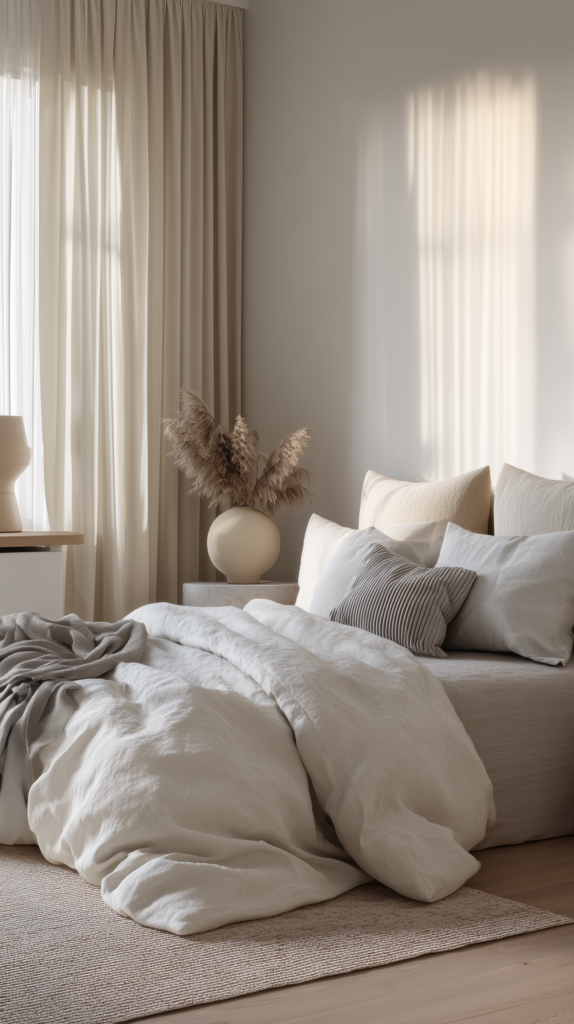
A simple way to apply this
Choose three words that describe how you want your home to feel. These words will guide your choices moving forward.
When you are deciding what to keep, change, or add, ask yourself:
- Does this support the feeling I want in my home?
- Does this space help me relax, or does it create tension?
- Does this reflect how I actually live?
When your home is shaped by how you want to feel, it naturally becomes more personal. A space that supports your emotions is not only more comfortable, but also more meaningful.
2. Define a Simple and Flexible Style
Your home does not need a strict label to feel cohesive. In fact, trying to fit everything into a single, rigid style often makes a space feel forced and impersonal.
A simple and flexible style is not about rules. It is about consistency and intention. When your home has a clear visual direction, even small changes feel more harmonious.
Start by paying attention to what you are naturally drawn to. Notice the colors, textures, and materials you already enjoy. These preferences usually appear again and again, even without conscious effort.
A practical way to define your style is to keep it minimal:
- choose one main color palette that feels calm and comfortable to you
- add one or two textures that you enjoy touching, such as linen, wood, wool, or ceramics
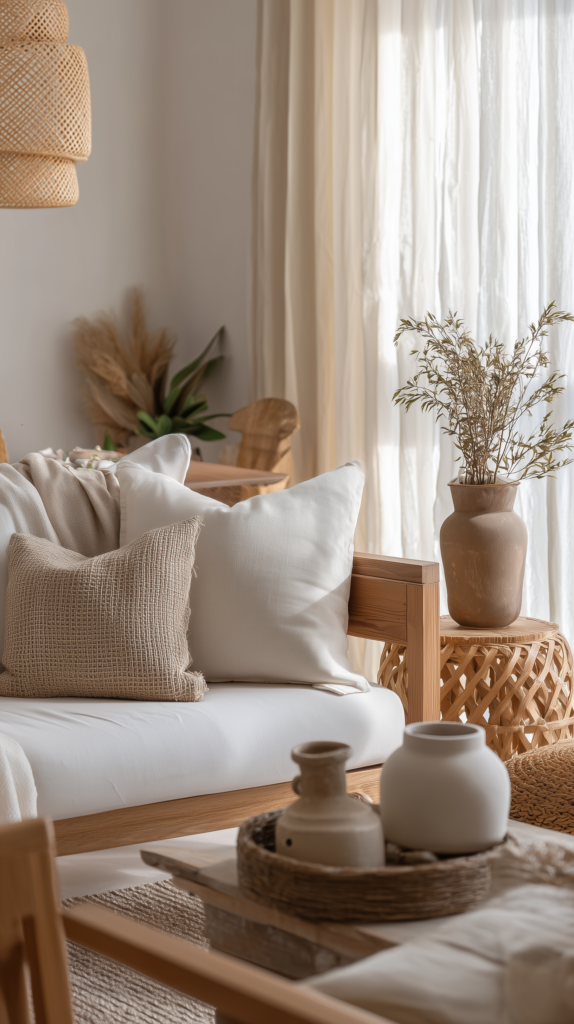
This approach creates visual balance without limiting creativity. It also allows your home to evolve over time without feeling outdated or disconnected.
Most importantly, remember that your home does not need to look like a magazine. It needs to reflect your life, your routines, and your taste. A flexible style leaves room for growth, change, and personality.
3. Put Comfort Before Aesthetics
A home can be visually beautiful and still feel unwelcoming if comfort is missing. When a space looks good but does not support rest or ease, it never truly feels like home.
Comfort is not about excess or laziness. It is about functionality and well-being. Every room should invite you to sit, relax, and stay for a while.
Think about comfort in simple, practical ways:
- seating that feels supportive, not just stylish
- bedding that encourages rest, not just visual appeal
- rugs or soft surfaces that feel good underfoot
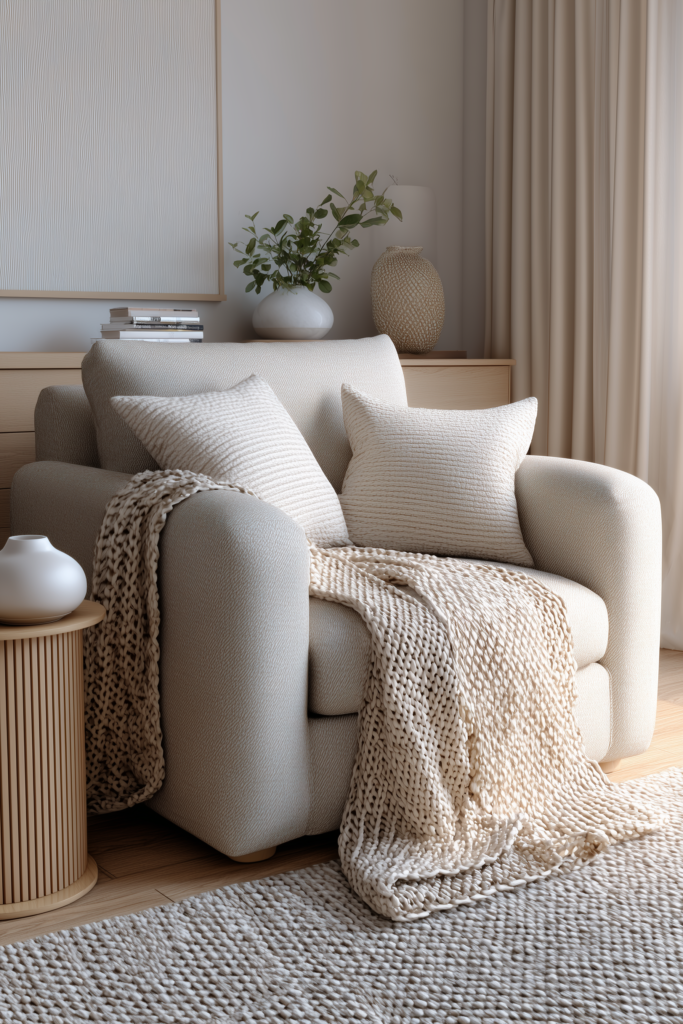
A helpful mindset is to walk through your home and ask yourself if each space truly allows you to relax. If the answer is no, the solution is often small and manageable.
Try focusing on one comfort upgrade per room. It might be an extra cushion, a softer blanket, or a chair that actually feels good to sit in. These changes may seem minor, but they have a strong impact on how your home feels day to day.
A comfortable home supports your body as much as your eyes. When comfort comes first, your space naturally becomes more inviting and more livable.
Simple Comfort Upgrades That Instantly Change a Room
If you want to make your home feel noticeably cozier without redesigning everything, start with these foundational pieces:
Supportive seating
Look for sofas or accent chairs with deeper seats and soft but structured cushions. Adding a memory foam seat cushion or a lumbar support pillow can instantly improve comfort without replacing furniture.
Rest-focused bedding
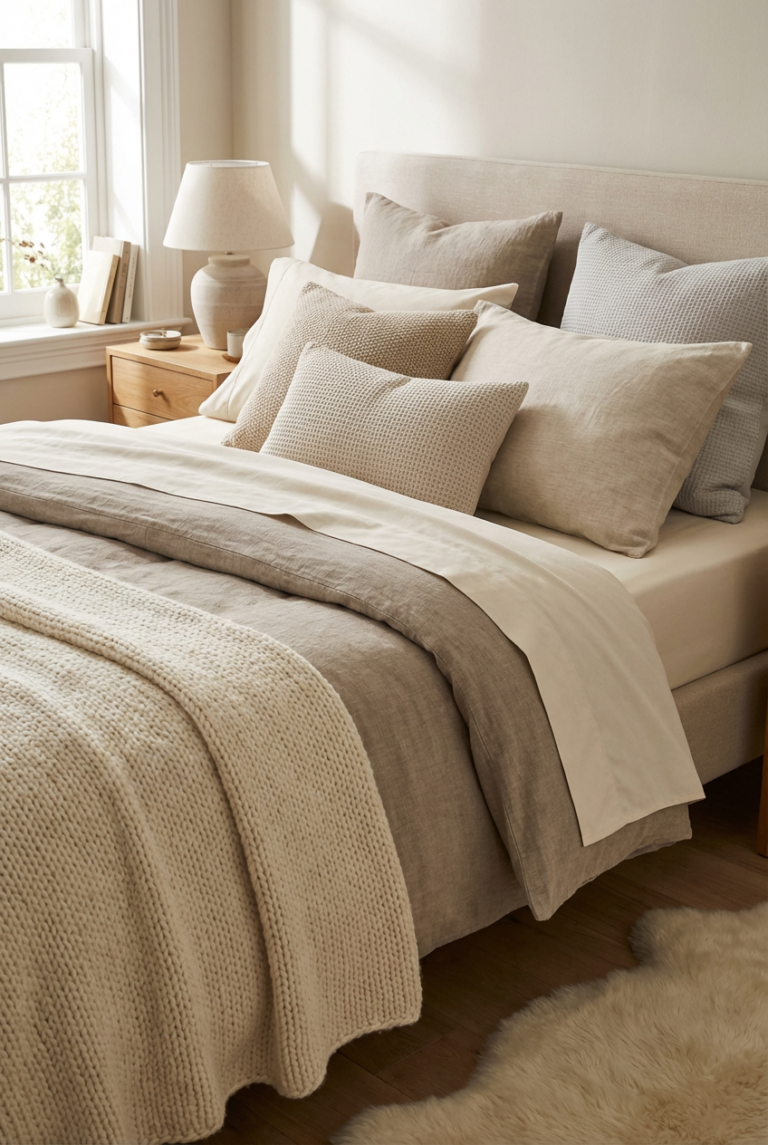
Choose breathable cotton or linen sheet sets, a medium-weight comforter, and pillows that match your sleep position. A soft quilt layered at the end of the bed adds both warmth and visual depth.
Soft underfoot surfaces
A low to medium pile area rug in living spaces makes a dramatic difference. In bedrooms, a plush bedside rug ensures your feet land on something warm in the morning.
Small additions that help
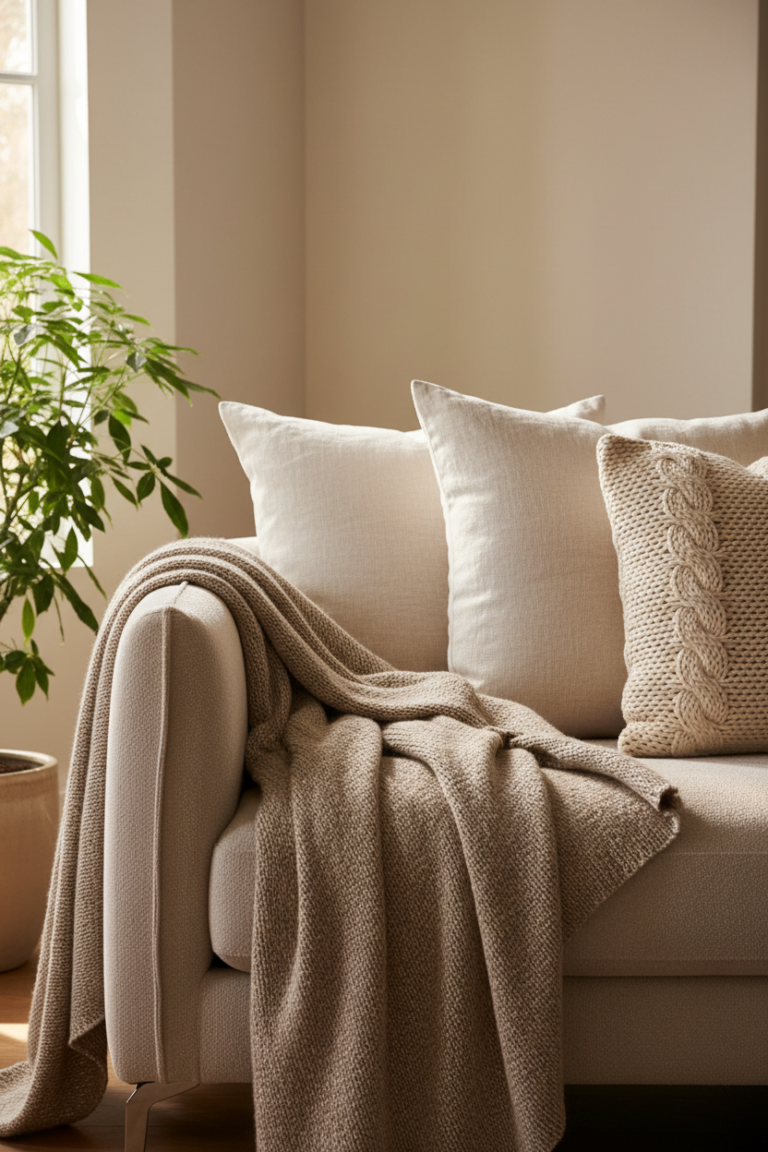
– A thick knit throw blanket for sofas or armchairs
– Ergonomic lumbar pillows for chairs
– A padded bench cushion for entryways or dining nooks
You don’t need to replace your entire space. Often, one supportive chair cushion, a better pillow, or a properly sized rug is enough to shift the atmosphere from “styled” to truly comfortable.
4. Use Lighting to Create Warmth and Calm
Lighting has a powerful effect on how a space feels, yet it is often overlooked. Many homes rely almost entirely on overhead lighting, which can make rooms feel harsh and uninviting.
A warm and welcoming home uses light to create atmosphere, not just visibility. Softer, layered lighting helps the body and mind relax, especially at the end of the day.
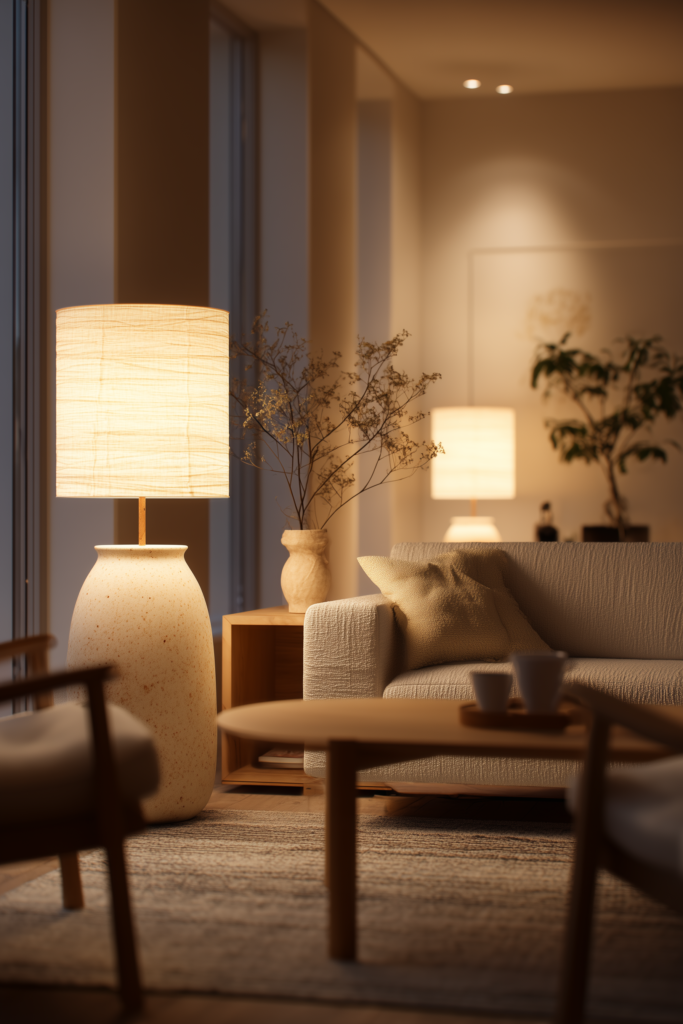
Instead of depending on a single light source, aim to create layers of light throughout your space. This can include table lamps, floor lamps, or small accent lights placed in corners or near seating areas.
A simple change that makes a big difference is switching to warm light bulbs. Warmer tones create a sense of comfort and intimacy that cooler lights often lack.
A practical guideline is to add at least one secondary light source to each main room. This small adjustment can completely change how a space feels, making it calmer, cozier, and more inviting.
Easy Lighting Upgrades That Instantly Feel Cozier
If you are not sure where to start, focus on these simple lighting changes:
Warm light bulbs (around 2700K)
Look for soft white or warm white LED bulbs. This is one of the fastest and most affordable ways to change the mood of a room without replacing fixtures.
Table lamps with fabric shades
Fabric shades diffuse light gently, creating a softer glow compared to exposed bulbs or glass shades.
Floor lamps for dark corners
A tall floor lamp placed near a sofa or reading chair creates a cozy, intentional lighting layer and reduces harsh shadows.
Small accent lights
String lights, small bedside lamps, or plug-in wall sconces help create warmth in overlooked areas of the room.
Dimmable lighting
Using dimmable bulbs or lamps gives you control over brightness in the evening, making your home feel calmer at night.
You do not need to redesign your entire lighting setup. Even adding one warm table lamp or switching your bulbs to a softer tone can completely shift the atmosphere.
5. Make Room for What Matters to You
A home begins to feel truly personal when it tells a story. Objects with meaning create emotional connection, while purely decorative items often feel empty over time.
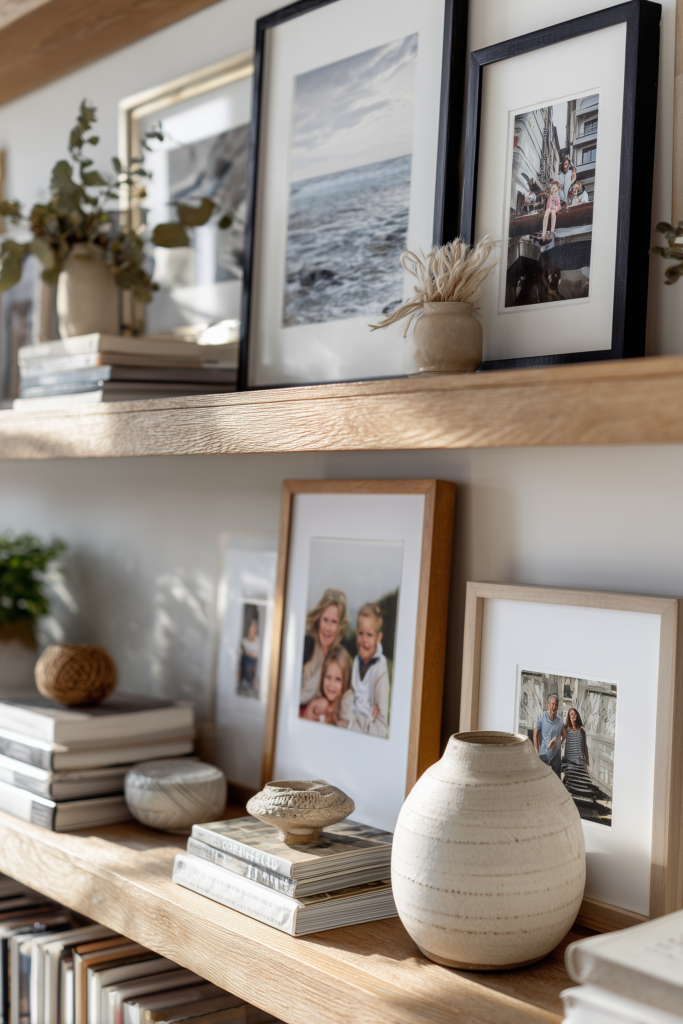
Instead of filling your space just to avoid emptiness, focus on displaying items that reflect your life and experiences. These can be photographs, books you love, travel souvenirs, handmade pieces, or objects connected to special memories.
It is helpful to be intentional about where these items live. Rather than spreading them randomly throughout the house, create one or two thoughtful displays. A shelf, a small wall, or a corner can become a quiet reminder of what matters most to you.
At the same time, avoid keeping things simply out of habit or guilt. If an item no longer represents who you are or how you live, it may no longer belong in your home.
When your space is filled with meaning instead of excess, it naturally feels warmer, more welcoming, and deeply yours.
6. Declutter With Intention, Not Perfection
A home does not need to be minimal to feel calm. What truly creates peace is having a space that works for your daily life.
Decluttering is not about getting rid of as much as possible. It is about keeping what supports who you are right now. When a home is filled with items that create friction, guilt, or constant maintenance, it becomes harder to relax.
A helpful way to approach decluttering is to focus on function. Ask yourself whether an item makes your life easier or more complicated.
You can start small:
- choose one drawer, shelf, or surface
- remove anything that no longer serves a clear purpose
- organize what remains in a way that feels accessible

This approach removes pressure and avoids the feeling of being overwhelmed. Even small decluttering moments can create noticeable mental relief.
A calm home is not empty. It is intentional, balanced, and supportive.
7. Create Cozy Zones Instead of Perfect Rooms
Homes feel more inviting when they support everyday routines and moments of rest. Instead of trying to make every room look perfect, focus on creating small, cozy zones that fit your lifestyle.
A cozy zone is a space designed around a habit you already enjoy. It might be a corner where you read, a spot for morning coffee, or a quiet area where you unwind at night.
These spaces do not need to be large or expensive. What matters is intention. A comfortable chair, a soft light, and a small surface can be enough to transform how you use a space.
To get started, think about one routine that brings you comfort. Then design a small area that supports it.
When your home encourages meaningful daily moments, it naturally feels warmer and more personal. Cozy zones help turn ordinary routines into rituals, strengthening your connection to your space.
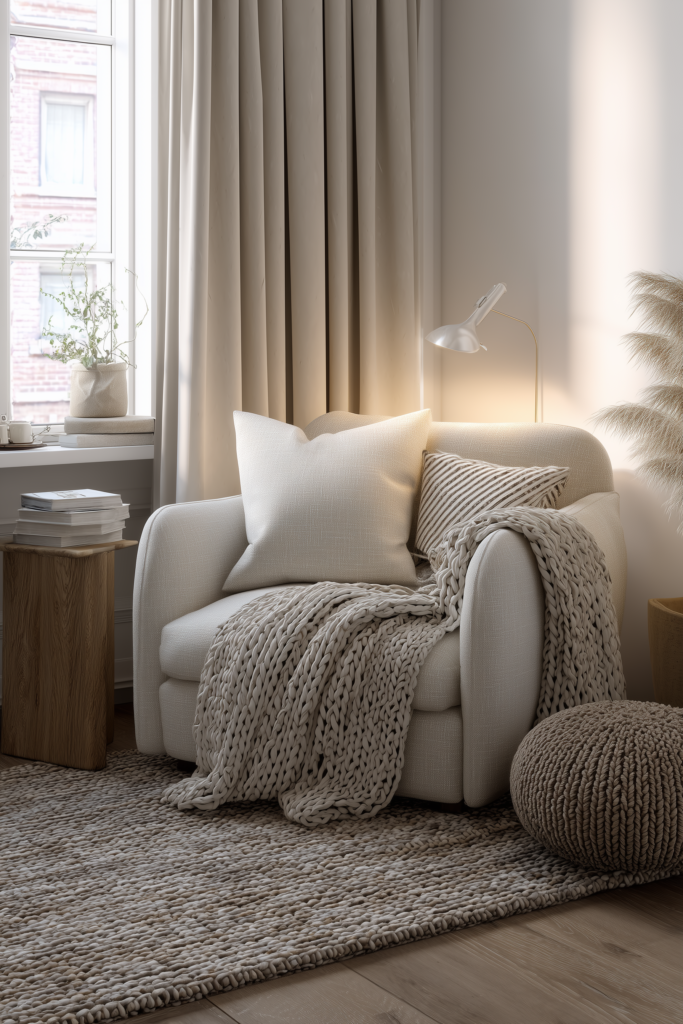
8. Bring Natural Elements Into Your Space
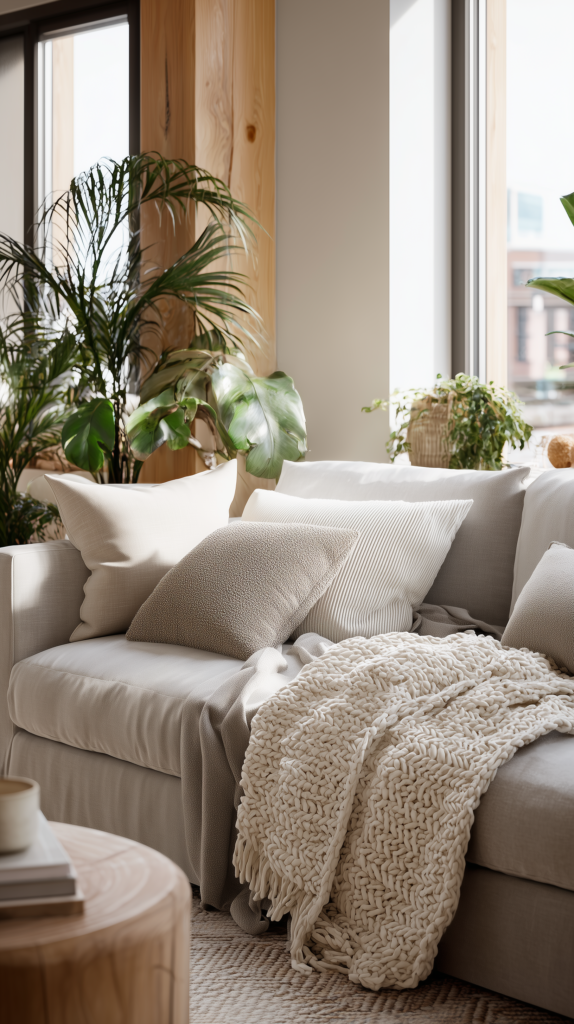
Natural elements help a home feel grounded, calm, and alive. Even small touches of nature can soften a space and make it feel more welcoming.
You do not need to turn your home into a jungle to feel this effect. Simple additions often work best. Plants, natural fabrics, and organic textures add warmth without visual overload.

If caring for plants feels overwhelming, start small. Low-maintenance options or even natural materials like wood, stone, cotton, or linen can create the same grounding effect.
A simple approach is to add one natural element to each room. Over time, these details subtly change how your home feels, making it more balanced and comforting.
9. Use Scent and Sound to Shape the Atmosphere
A home is experienced through more than just sight. Scent and sound play a powerful role in how safe, calm, and relaxed a space feels.
Soft background music, quiet moments, or familiar sounds can make your home feel more soothing. In the same way, certain scents quickly create emotional comfort and a sense of belonging.
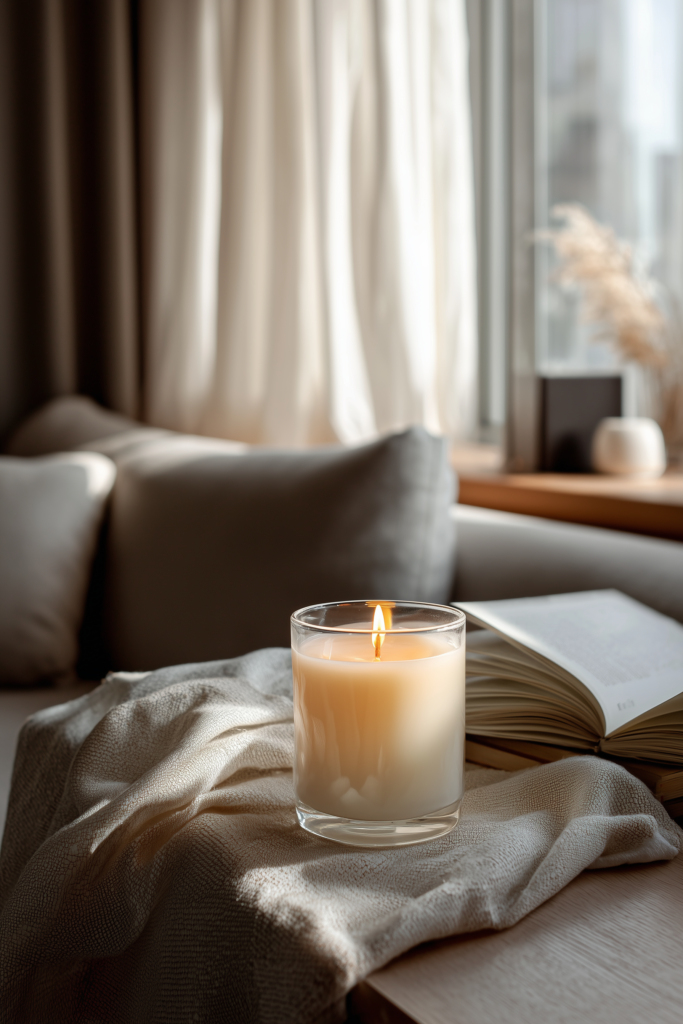
This does not need to be complicated. Candles, essential oils, or simply opening the windows regularly can shift the mood of a room.
Choose one scent or sound habit that feels natural to you. When these sensory cues become part of your routine, they help your brain associate your space with rest and comfort.
Simple Sensory Additions That Make a Big Difference
If you want to create a consistent, cozy atmosphere, start with one small upgrade in either scent or sound.
Candles with warm, comforting notes
Look for scents like vanilla, sandalwood, amber, or soft linen. A single candle placed in your living room or bedroom can instantly soften the space in the evening.
Essential oil diffusers
A small ultrasonic diffuser with calming oils like lavender or cedarwood creates a subtle, continuous scent without overpowering the room.
Reed diffusers for low-maintenance scent
If you prefer something flame-free and long-lasting, reed diffusers are a simple option for entryways or bathrooms.
Soft background sound
A compact Bluetooth speaker allows you to play instrumental music, nature sounds, or low-volume playlists that gently fill the space without dominating it.
White noise or ambient sound machines
Especially useful in bedrooms, these create a steady, calming sound layer that helps the body relax at night.
You do not need to use all of these at once. Even choosing one scent you love or one evening playlist can shift how your home feels at the end of the day.

10. Allow Your Home to Evolve With You
A home is never truly finished. Life changes, routines shift, and preferences evolve. When you allow your space to change with you, it stays supportive instead of feeling outdated.
Rather than aiming for perfection, focus on awareness. Notice when a space no longer serves your needs and allow yourself to adjust it gradually.
Small changes over time often feel more natural than big transformations. Rearranging furniture, swapping textiles, or redefining how a room is used can refresh your home without stress.
A home that grows with you remains meaningful, comfortable, and deeply personal.
Conclusion: Building a Home Is About Intention, Not Perfection
Turning a house into a home does not require expensive decor or constant updates. What truly makes a difference is intention. When your space supports how you live and how you feel, it naturally becomes more welcoming.
You do not need to apply every tip at once. Start with one small change and let the process unfold slowly. A home is built through daily choices, not finished checklists.
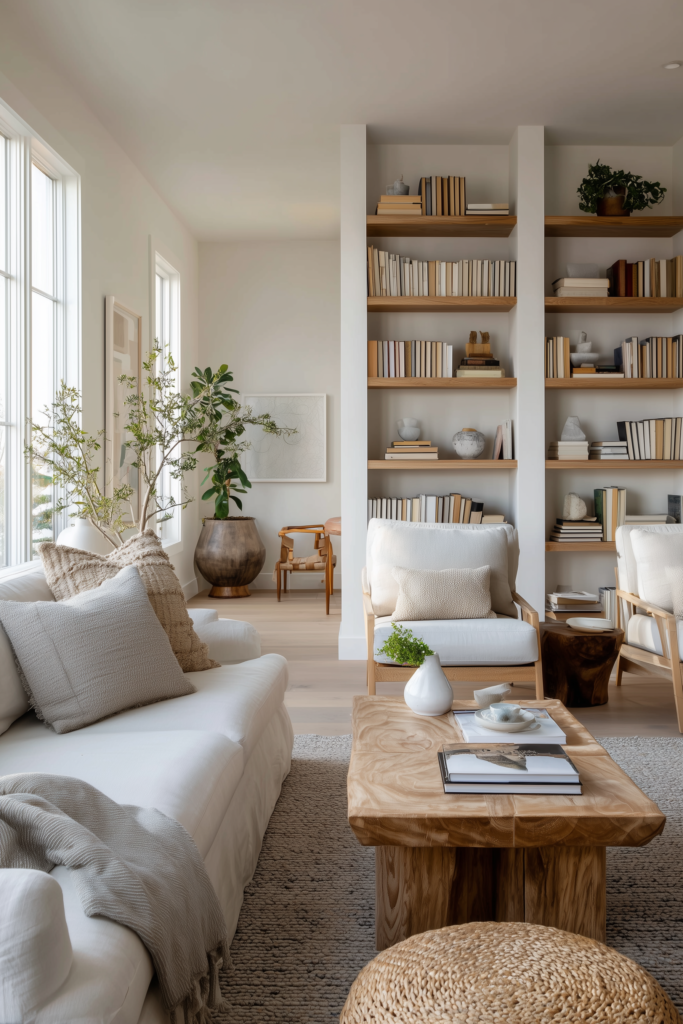
If you want to go deeper into creating a warm and intentional space, you might enjoy exploring related topics on the blog. Posts about cozy bedroom ideas, simple home organization routines, or budget-friendly decor upgrades can help you apply these principles room by room.
Your home should reflect your life, not someone else’s. When you design with care and intention, your space becomes more than just where you live. It becomes where you truly feel at home.